I’ve always found solace in the dirt—whether it was sneaking tomatoes from my neighbor’s garden as a kid or helping my grandpa coax life out of stubborn seeds. This site is where I share the lessons I’ve learned from both successes and spectacular failures. My goal? To make gardening feel less like a chore and more like a conversation with the earth.
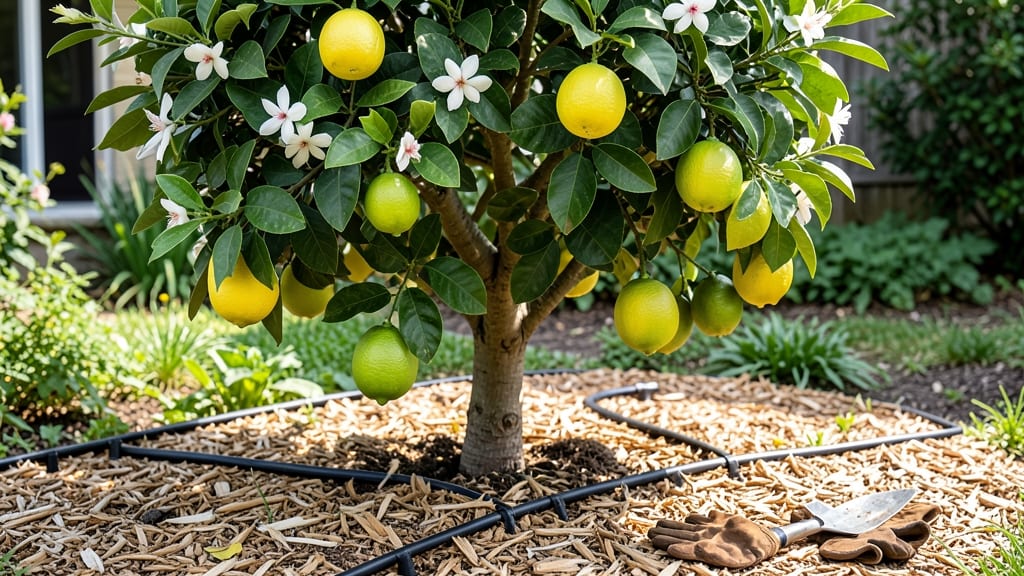
💥 Quick Answer Zone 9 gardening thrives with year-round warmth, allowing tropical plants like hibiscus and citrus to flourish while requiring strategic timing for cool-season crops like lettuce and broccoli…
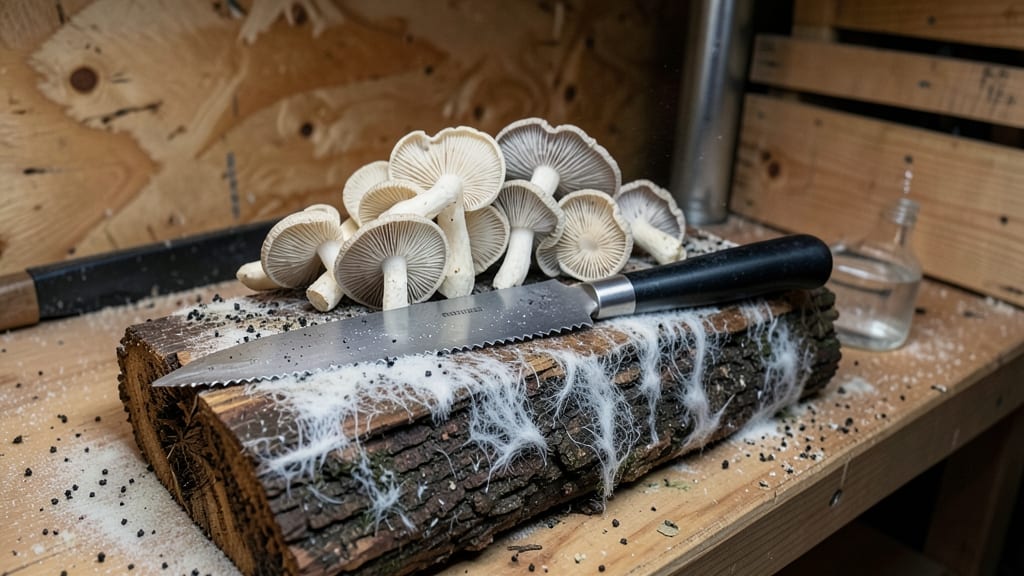
💥 Quick Answer In Roblox Grow a Garden , mushrooms do not grow back after harvesting—they disappear permanently once picked, unlike real-world fungi that regenerate from mycelium networks. You'll need to replant…
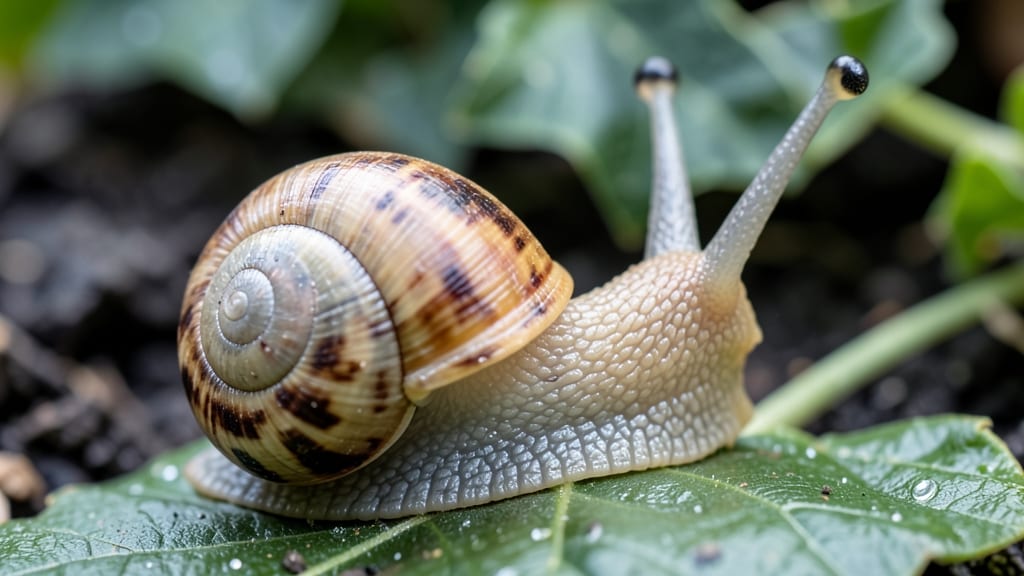
💥 Quick Answer Understanding garden snail anatomy reveals how their spiral shell, muscular foot, sensory tentacles, and retractable head work together to help them thrive in gardens while avoiding threats. Each feature…
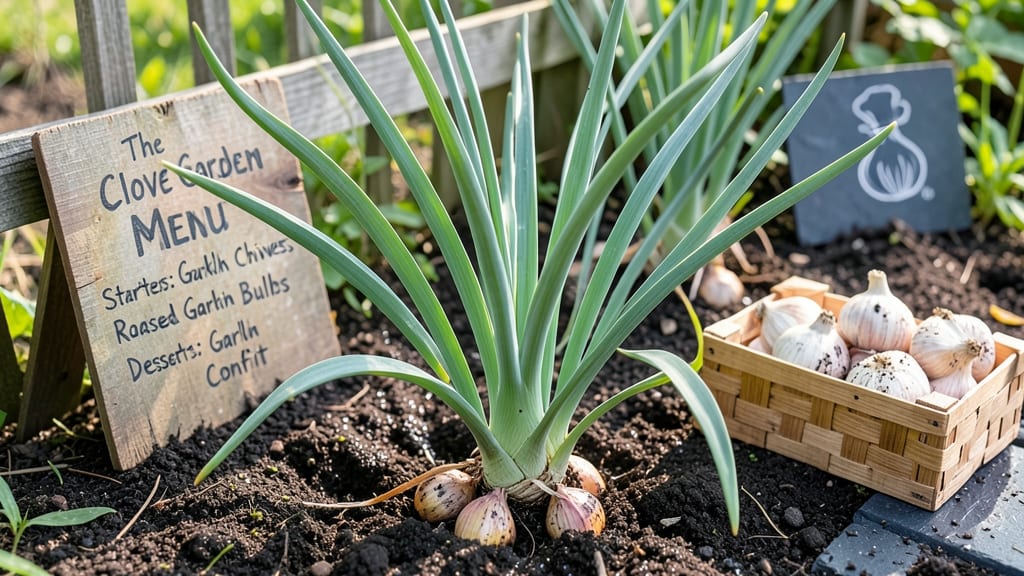
💥 Quick Answer The Clove Garden menu transforms homegrown herbs, vegetables, and edible flowers into vibrant, chef-inspired dishes that highlight seasonal flavors. Signature plates include heirloom tomato salads…
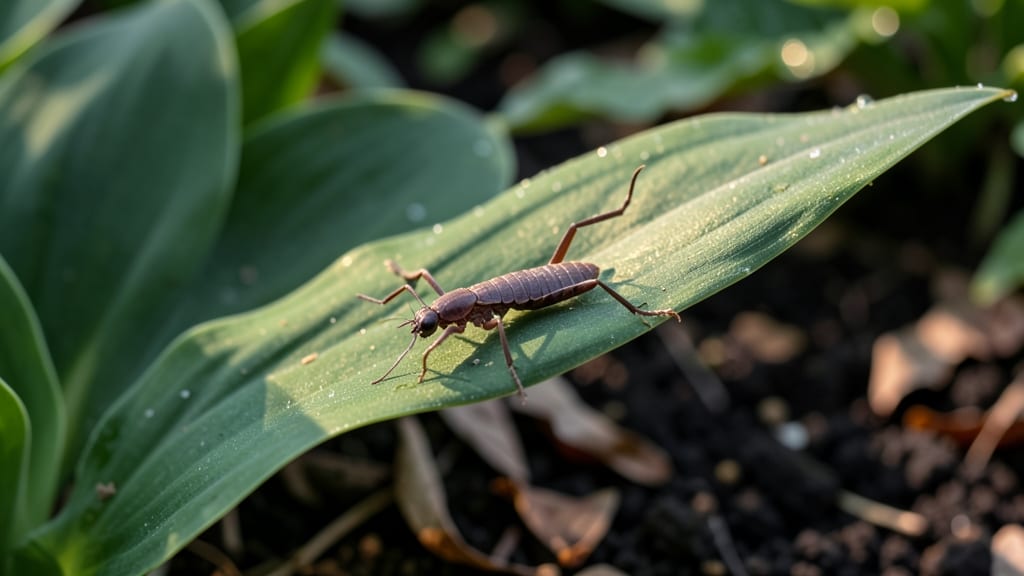
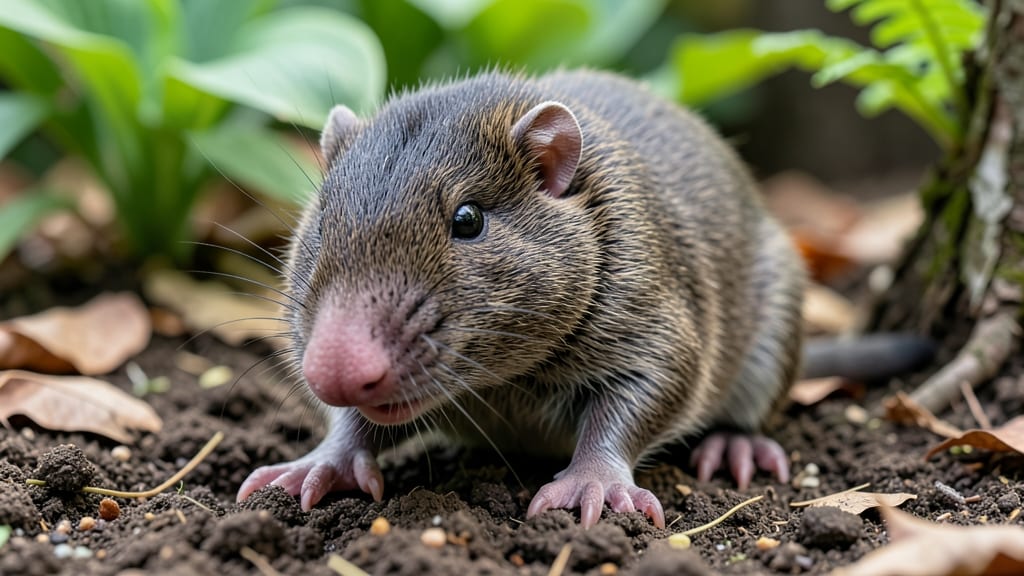
💥 Quick Answer In Grow a Garden Roblox , moles eat worms, grubs, and insects they dig up from the soil, using their digging tools to uncover hidden food sources beneath plants and flower beds. Their diet directly…
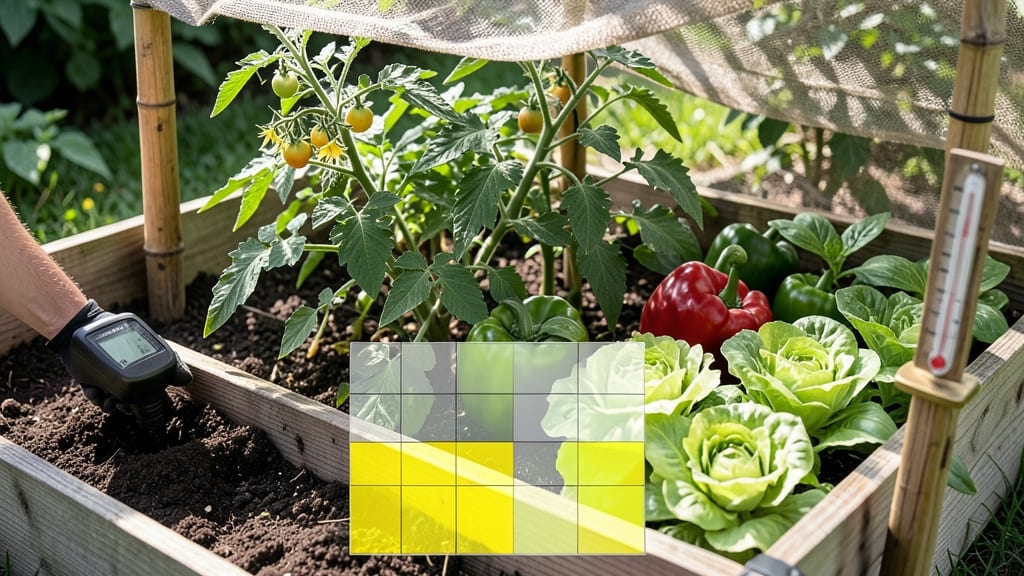
💥 Quick Answer Vegetable gardens need full sun (6+ hours daily) for most vegetables like tomatoes, peppers, and beans, while leafy greens and herbs can thrive with partial shade (4-6 hours). Different crops have unique…
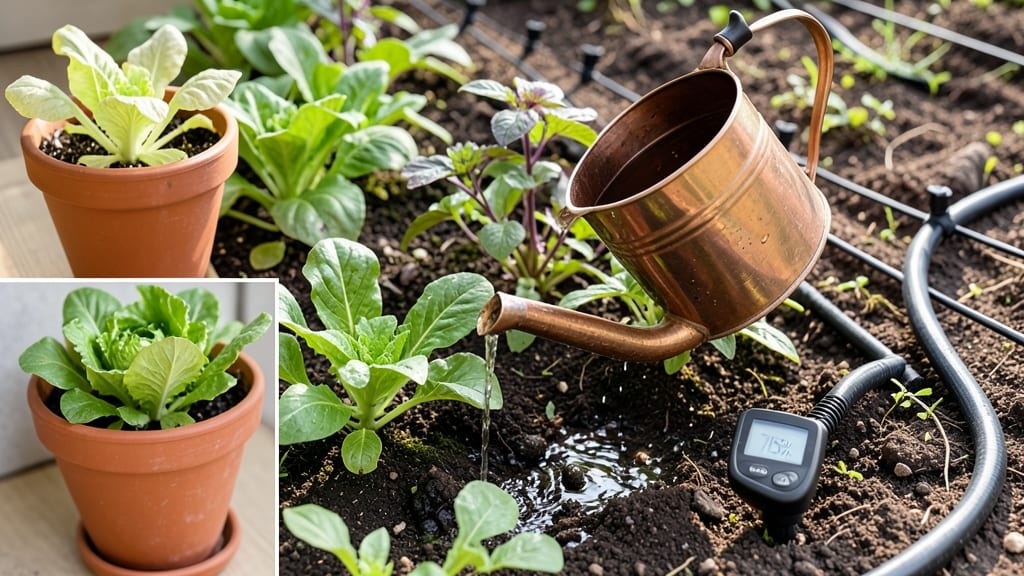
💥 Quick Answer You don't need to water your garden every day—most plants grow best with 1 to 1.5 inches of water per week , though this varies by soil type, weather, and plant species. Daily watering often leads to root…
💥 Quick Answer The Naked Gardening Club movement connects urban gardeners to grow pesticide-free crops using only organic methods and natural pest control, focusing on soil health and biodiversity through shared…
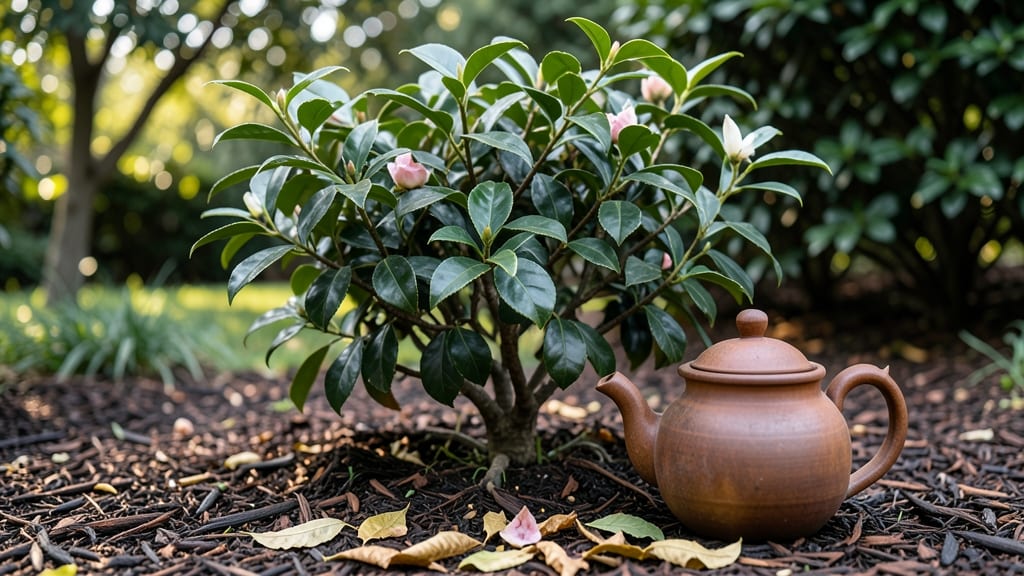
💥 Quick Answer Tea leaves in the garden act as a natural pest deterrent against aphids and slugs while improving soil fertility through nitrogen enrichment and moisture retention. Simply compost them or spread dried…