
How To
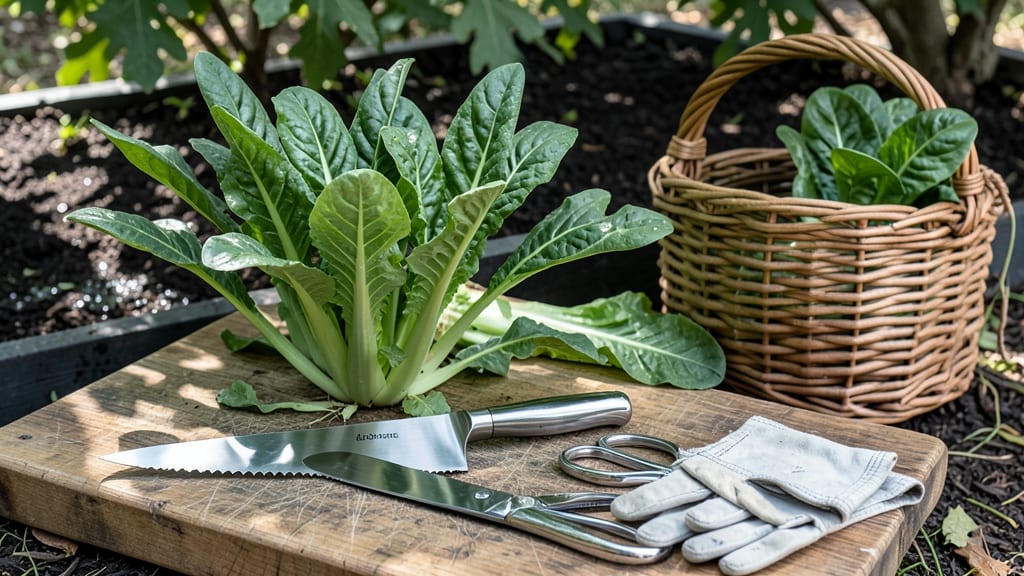
Harvesting romaine lettuce from your garden at the right time—when leaves reach 6 inches—turns a handful of seeds into a steady supply of crisp, flavorful greens 🥬.
But timing isn’t the only trick. I’ve watched my romaine bolt into bitter stalks because I cut too close to the base or waited too long, and I’ve also seen plants recover beautifully with the right technique. The key? Knowing how to harvest without sacrificing future growth.
You’ll learn the exact moment to pick your lettuce (hint: it’s not when you’re hungry), the tools you’ll need, and how to cut leaves so the plant keeps producing for weeks. Plus, I’ll share my go-to storage tips to keep your harvest fresh for up to a week.
Whether you’re a first-time gardener or a seasoned green thumb, these steps will help you maximize your yield without stressing your plants. Let’s get started!

When and how to harvest romaine lettuce at peak freshness (6-Inch rule explained)
Harvesting romaine lettuce at the right time transforms your garden into a crisp, flavorful salad factory. The 6-inch rule is my golden standard—when outer leaves reach this height, they’re packed with nutrients and perfect for cutting.
But timing isn’t the only secret; how you harvest determines whether your plant keeps producing or bolts prematurely.
Look for deep green, elongated leaves with firm stems—these are your cues. Overlooking these signs often leads to bitter, tough lettuce or wasted effort. I’ve learned the hard way that patience pays off: harvesting too early means stunted growth, while waiting too long risks bolting, especially in hot weather.
Your tools should include a sharp knife or pruning shears, a bowl for the harvest, and a spray bottle for post-harvest care. Avoid dull scissors—they crush stems and invite disease. I keep these ready in my gardening caddy for quick, clean harvests that keep my plants thriving.
How to Harvest Romaine Lettuce from Garden
- 1. Wait for the 6-inch mark on outer leaves—measure from the base to the tip. Use a ruler for precision if needed.
- 2. Hold the leaf firmly at its base with one hand while gripping the stem about 1 inch above the soil line with the other.
- 3. Cut at a 45-degree angle using sharp shears or a knife. This prevents water from pooling on the stem, reducing rot risk.
- 4. Avoid the center—never cut into the heart of the plant. This preserves the growing point for future harvests.
- 5. Harvest in the morning when leaves are crisp and cool. This ensures maximum freshness and flavor.
- 6. Leave 2-3 inches of stem attached to encourage regrowth. Trim any yellow or damaged leaves immediately.
- 7. Water thoroughly after harvesting to replenish moisture lost during the process. Use a gentle spray to avoid disturbing soil.
- 8. Store in a breathable container lined with a damp paper towel. Keep refrigerated until use to maintain crispness.
After your first harvest, romaine lettuce often regrows—this is called the cut-and-come-again method. I’ve extended my harvest season by 3-4 weeks using this technique, but it requires consistent care. Always remove outer leaves first to shield the inner growth from direct sun, which can cause bolting.
Watch for yellowing leaves or woody stems—these are red flags that your plant is stressed. Overcrowding or uneven watering often causes this. I’ve found that spacing plants 12 inches apart and mulching with straw helps maintain even moisture and prevents stress.
Seasonal adjustments matter too. In spring and fall, romaine thrives with cooler temperatures, while summer heat demands extra shade and frequent watering. I’ve had success using shade cloth during peak afternoon sun to protect my plants and maintain their crisp texture.
For storage, rinse harvested leaves in cool water and pat dry gently with a clean towel. Wrap them in a damp paper towel inside a plastic bag, then refrigerate. This keeps romaine fresh for up to 10 days—far longer than store-bought lettuce that wilts within days.
If your romaine starts to bolt or flower, it’s time to harvest everything immediately. Bolted lettuce becomes bitter and tough, but you can still use the leaves in salads or smoothies. To prevent bolting, I’ve switched to shorter-day varieties and planted in partial shade during hot months.
Remember, every harvest is a learning opportunity. Track your plant’s growth, adjust your timing, and soon you’ll master the art of harvesting crisp, flavorful romaine all season long.
With these steps, your garden will reward you with a steady supply of fresh greens—no bitterness, no waste, just pure harvest joy. 🥬
Romaine lettuce harvesting mistakes to avoid (and how to fix them)
Harvesting romaine lettuce at the wrong time or with the wrong technique can turn your crisp greens into sad, bitter scraps. One common mistake is cutting too close to the base—this severs the plant's ability to regrow.
Another is harvesting during peak heat, which stresses the plant and causes bolting. Even ignoring regrowth signals means missing out on multiple harvests per plant.
I’ve learned the hard way that harvesting in extreme heat (above 85°F) can make romaine leaves wilt and turn bitter within hours. The fix? Always harvest in the early morning when leaves are hydrated and crisp. Pair this with shade cloth during hot afternoons to protect your plants from stress.
⚠️ WARNING: Common Harvesting Mistakes & Fixes ⚠️
Mistake 1: Cutting Too Close to the Base
Severing the main stem kills the plant. Instead, use clean scissors to snip outer leaves 1 inch above the base, leaving the center intact for regrowth.
Mistake 2: Harvesting in Extreme Heat
Heat stress causes bitterness and bolting. Harvest in morning shade (6-9 AM) and avoid cutting during midday sun (12-3 PM).
Mistake 3: Ignoring Regrowth Signals
New leaves forming at the base mean it’s time to harvest again! Wait until outer leaves reach 6 inches before cutting—this ensures continuous yield.
Another big mistake is overcrowding plants during harvest season. When romaine heads get too dense, they compete for nutrients, leading to smaller leaves and slower regrowth. Thin your plants to 12 inches apart and pair them with companion plants like radishes or carrots to improve air circulation and soil health.
For extended harvest windows, try succession planting every 2 weeks. This ensures a steady supply while giving your existing plants time to recover. Add a light mulch layer (straw or shredded leaves) to retain moisture and cool roots during hot spells.
Finally, never harvest romaine that’s yellowing or wilted—this signals disease or pest damage. Instead, pull affected plants and treat the soil with neem oil to prevent spread. Healthy romaine should have deep green leaves with crisp edges.
With these fixes, you’ll avoid common pitfalls and enjoy crisp, flavorful romaine for weeks—even months—after planting! 🥬