Vegetables
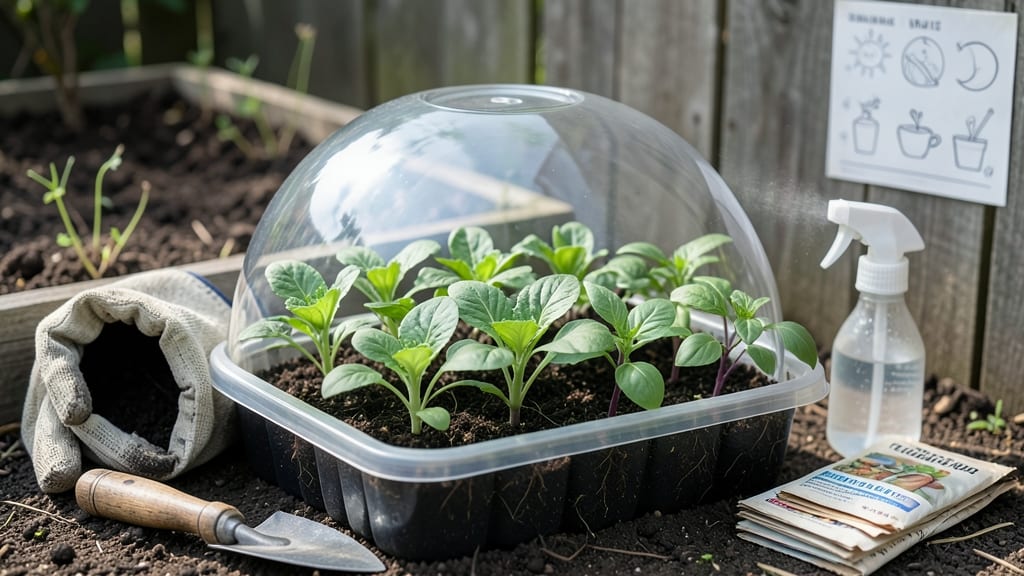
To start gardening vegetables at the right time means planting when the soil warms and frost risks fade—4-6 weeks before your last frost date for most General Vegetables 🥕 in Zone 6a.
Timing your vegetable garden planting wrong can mean the difference between a bountiful harvest and wasted effort—yet most gardeners get it wrong by at least 2-3 weeks.
Whether you’re sowing seeds indoors or transplanting seedlings, the window is narrower than you think, and missing it means struggling with leggy seedlings or bolting greens.
This isn’t just about memorizing dates—it’s about reading your local climate. Soil temperature, microclimates, and even the type of vegetable (cool-season vs. warm-season) all shift the ideal start time. For example, spinach thrives in cooler soil, while tomatoes need at least 50°F to avoid stunted growth.
Below, I’ll break down the exact zone-specific windows for starting seeds indoors vs. transplanting outdoors, plus how to adjust for early or late seasons. You’ll leave here with a clear timeline—and no more guessing.
Best planting times by USDA hardiness Zones: seedlings vs. transplants explained
Getting your vegetable planting timeline right means the difference between a thriving garden and wasted seeds. The key lies in understanding your USDA hardiness zone and whether you're starting seeds indoors or transplanting seedlings.
Cold-hardy crops like spinach and peas can handle early spring, while heat-lovers like tomatoes and peppers need warmer soil. Let's break down the perfect windows for your zone.
Every zone has different last frost dates that dictate when it's safe to transplant outdoors. For example, Zone 3 gardeners face a mid-May last frost, while Zone 10 rarely sees frost at all.
Starting seeds indoors too early can lead to leggy seedlings, while transplanting too late may mean missed harvests. The solution? Plan ahead using these zone-specific guidelines for both cool-season and warm-season vegetables.
📅 2024 Zone-by-Zone Planting Calendar
| Zone | Last Frost | Indoor Start (Weeks Before Transplant) | Transplant Outdoors | Cold-Hardy Crops | Heat-Lovers |
|---|---|---|---|---|---|
| Zones 3-4 | Mid-May | 6-8 weeks before last frost | After May 15 | Peas, Spinach, Lettuce | Tomatoes, Peppers (late May) |
| Zones 5-6 | Early April | 4-6 weeks before last frost | After April 15 | Kale, Broccoli, Radishes | Eggplant, Basil (late April) |
| Zones 7-8 | Mid-March | 3-5 weeks before last frost | After March 1 | Swiss Chard, Carrots, Onions | Okra, Sweet Potatoes (March 15) |
| Zones 9-10 | None (year-round) | Year-round (seasonal adjustments) | March-October | Lettuce, Green Beans | Cucumbers, Melons (March-April) |
For Zone 3-4 gardeners, start cool-season crops like spinach and peas indoors in early March. These hardy crops can handle cooler soil temperatures, so transplant them as soon as the ground thaws.
Warm-season crops like tomatoes and peppers need to wait until late May, after all frost risk has passed. Use a seedling heat mat to jumpstart growth if your zone is on the cooler side.
In Zones 5-6, you have more flexibility. Begin broccoli and kale indoors in February, while tomatoes and peppers can start indoors in late March. Transplant everything after your last frost date, which is typically mid-April.
If you're in a microclimate with earlier warming (like a south-facing slope), you might transplant a week earlier—but always monitor soil temperatures.
Gardeners in Zones 7-8 can start planting outdoors as early as February for cool-season crops. Begin lettuce and carrots indoors in January, while tomatoes and eggplants can start indoors in February.
Transplant everything after March 1, but keep an eye on nighttime temperatures—if they dip below 50°F, cover seedlings with frost cloth to protect them.
For Zones 9-10, the rules are different. You can plant almost year-round, but focus on spring (March-April) for heat-lovers like cucumbers and melons, and fall (September-October) for cool-season crops.
Use shade cloth in summer to protect tender plants from intense sun. In these zones, succession planting is key—stagger your plantings every 2-3 weeks to ensure a continuous harvest.
One common mistake is ignoring soil temperature. Even if your air temperatures are warm, cold soil can stunt seedling growth. Use a soil thermometer to ensure temperatures are at least 50°F for cool-season crops and 60°F+ for warm-season crops.
If your soil is too cold, wait a few more days or use black plastic mulch to warm it up faster.
Pro tip: Keep a gardening journal to track your local frost dates and planting success. Over time, you'll notice patterns in your microclimate that may differ from the general zone guidelines.
For example, a valley might frost later than the surrounding hills. Adjust your timeline based on your observations each year.
🌱 Ready to start? Grab your seed packets, mark your calendar, and begin planning your 2024 vegetable garden today!
How to calculate your local planting window for maximum yield
Calculating your local planting window isn't just about checking the USDA zone map—it's about understanding your microclimate. Factors like sun exposure, wind patterns, and soil temperature can shift your ideal planting dates by weeks, even within the same neighborhood.
For example, a north-facing bed may need 2-3 weeks earlier planting than a south-facing one due to delayed warming.
Start by tracking your last frost date (not the average) for the past 5 years. Many gardeners use this as their baseline, but I recommend adding a 7-day buffer for high-risk zones like Zone 3 or Zone 10, where unpredictable weather can derail your entire season.
For instance, if your last frost is April 15, begin seed starting indoors 6-8 weeks prior (February 1-15) for heat-loving crops like tomatoes or peppers.
- 🌡️ Step 1: Check soil temperature – Use a soil thermometer to confirm 50°F (10°C) for cool-season crops or 60°F (16°C) for warm-season plants before transplanting.
- ☀️ Step 2: Assess sunlight hours – Measure 6+ hours of direct sun for vegetables like tomatoes or 4-6 hours for partial-shade crops such as lettuce.
- 🌬️ Step 3: Account for wind exposure – Windy areas dry out soil faster; add mulch or windbreaks to extend your planting window by 10-14 days.
- ⏰ Step 4: Use a 7-day buffer – For Zone 3, add 7 extra days to your frost date; for Zone 10, subtract 7 days to avoid summer heat stress.
- 📅 Step 5: Cross-reference seed packets – Always note the "days to maturity" on packets and work backward from your first frost date.
Adjusting for early vs. late seasons requires flexibility. In Zone 5, I’ve successfully transplanted peppers 2 weeks earlier than recommended by using black plastic mulch to warm the soil faster.
Conversely, in Zone 8, I delay planting heat-sensitive crops like cucumbers until June to avoid wilting during late-spring heatwaves.
For cool-season vegetables (e.g., spinach, kale), aim to plant 4-6 weeks before your last frost date. These crops thrive in 50-60°F soil and can even tolerate light frosts.
Meanwhile, warm-season crops (e.g., eggplants, squash) need soil temperatures above 60°F—wait until 2-3 weeks after your last frost or use row covers to extend the season.
Pro tip: Use a garden journal to track your local variations. Note when soil warms up, how long seedlings take to harden off, and which microclimates in your yard perform best.
Over time, you’ll refine your planting window to within 3-5 days of perfection—no more guessing, just data-driven gardening.
Remember, even the best-laid plans can shift. Always keep a few backup seedlings on hand for Zone 3-6 gardeners or opt for fast-maturing varieties in Zone 10 to hedge against unexpected weather. Your goal? A harvest window that stretches from early summer to fall—regardless of the zone.