
Tools
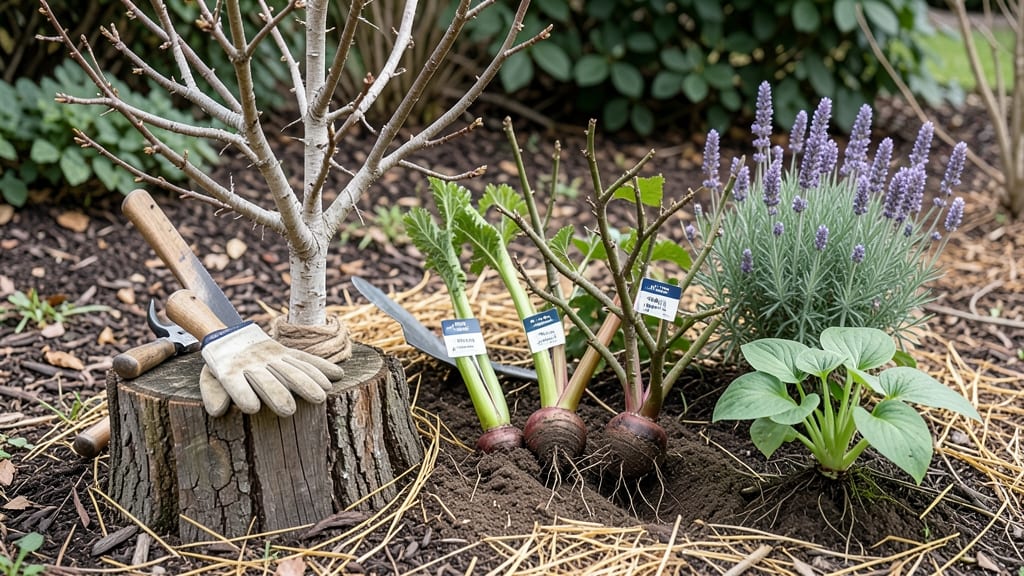
The Naked Gardening Club movement connects urban gardeners to grow pesticide-free crops using only organic methods and natural pest control, focusing on soil health and biodiversity through shared resources and hands-on workshops.
This gardening approach flips the script on traditional urban farming by eliminating synthetic chemicals entirely. 🌱 Instead of relying on store-bought pesticides, members learn to build healthy soil through composting and mulching, while companion planting keeps pests at bay naturally.
The club's real magic happens in the shared knowledge—whether it's troubleshooting aphid infestations or perfecting vertical growing systems for small spaces.
What sets this apart from regular gardening clubs is the complete commitment to chemical-free practices, which often surprises newcomers who worry about lower yields. The truth? Well-maintained organic systems can match conventional gardens in productivity while creating richer ecosystems that support pollinators and beneficial insects.
💡 In This Article
- Core Principles of Naked Gardening: Organic Methods Explained
- Joining a Naked Gardening Club: Steps and Benefits for Urban Gardeners
Core principles of naked gardening: organic methods explained
The foundation of this approach lies in soil regeneration, where gardeners prioritize microbial diversity over chemical inputs.
Healthy soil acts like a living ecosystem—mycorrhizal fungi form symbiotic relationships with plant roots, exchanging nutrients for sugars, while earthworms aerate the soil and break down organic matter. 🌱 In urban environments, where soil is often compacted, members use techniques like sheet mulching (layering cardboard, compost, and topsoil) to rebuild structure without tilling, which disrupts beneficial organisms.
Companion planting is another cornerstone, where specific plant pairings deter pests naturally. For example, marigolds release alpha-terthienyl, a compound toxic to nematodes, while basil repels thrips and whiteflies through its strong scent. Studies show these combinations can reduce pest populations by up to 70% compared to monoculture gardens.
The club's urban adaptations include vertical companion planting—growing basil with tomatoes in hanging pockets to maximize small-space efficiency.
Natural pest control shifts focus to prevention rather than eradication. Members deploy beneficial insects like ladybugs (which consume 5,000 aphids in their lifetime) and lacewings, while neem oil and insecticidal soap serve as targeted interventions.
What surprises many is that organic gardens often have fewer pest outbreaks because diverse ecosystems lack the monoculture vulnerabilities of conventional farms. The club's workshops demonstrate how to create "pest traps" using fermented plant brews that attract and drown soft-bodied insects.
Myth-busting plays a key role in education.
The idea that organic methods yield less is debunked by data: A 2019 University of Michigan study found organic vegetable gardens produced 28% more biomass than conventional plots when soil health was properly managed. 🌿 Urban gardeners learn that chemical-free systems require more initial planning—like selecting disease-resistant varieties—but deliver long-term resilience.
The club's "soil test swap" events, where members analyze pH and nutrient levels, reveal how urban soils often need calcium-rich amendments (like crushed eggshells) to combat acidity from rainwater runoff.
Seasonal adaptations are critical in cities, where microclimates vary dramatically. Clubs provide tailored calendars for container gardening, noting that window boxes heat up 10-15°F warmer than ground plots.
For example, while ground tomatoes thrive in 70-80°F soil, container-grown varieties need 75-85°F—information shared through the club's "heat island mapping" project, which tracks urban temperature zones using backyard thermometers.
What makes this movement unique is its holistic approach to gardening as a community practice. Beyond growing food, members track pollinator visits, document soil improvements, and share data with local universities.
The club's "bare root swaps" teach how to propagate plants from cuttings, reducing waste while building skills. 🌿 This hands-on learning creates a feedback loop where each season's challenges become the next year's innovations—whether it's perfecting cold-frame designs for 10°F colder urban winters or developing drought-resistant blends for rooftop gardens.