I’ve always found solace in the dirt—whether it was sneaking tomatoes from my neighbor’s garden as a kid or helping my grandpa coax life out of stubborn seeds. This site is where I share the lessons I’ve learned from both successes and spectacular failures. My goal?
To make gardening feel less like a chore and more like a conversation with the earth.
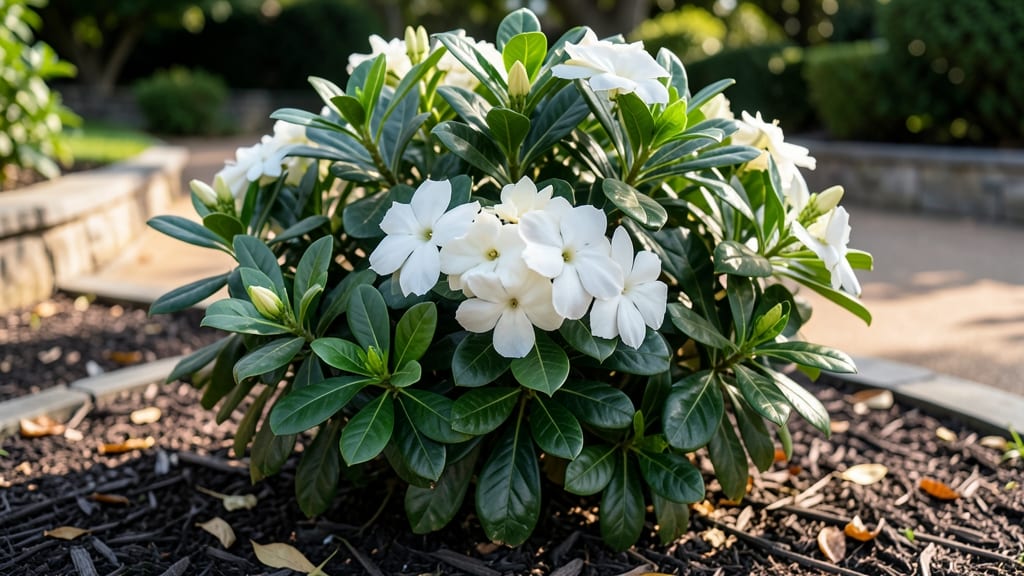
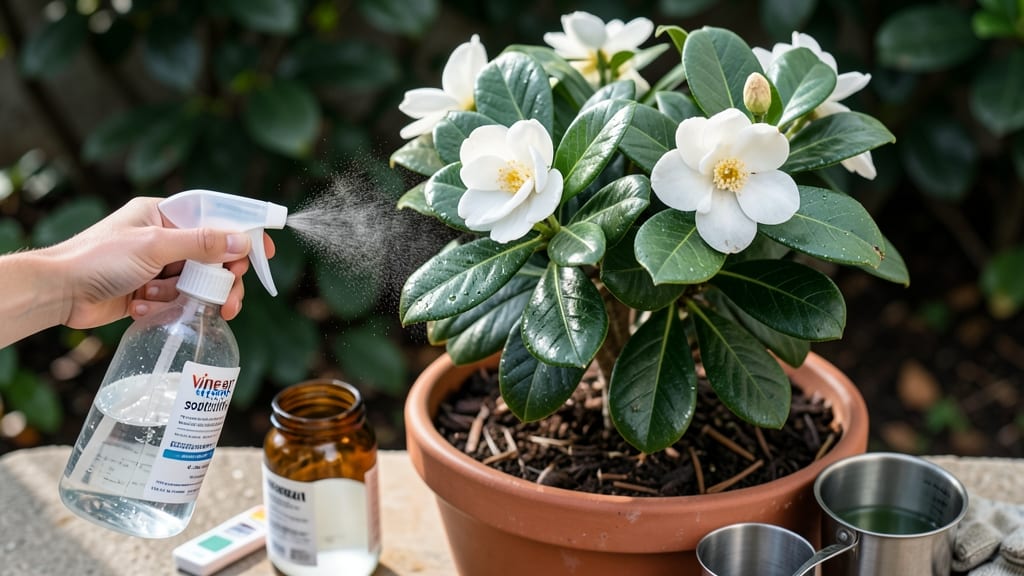
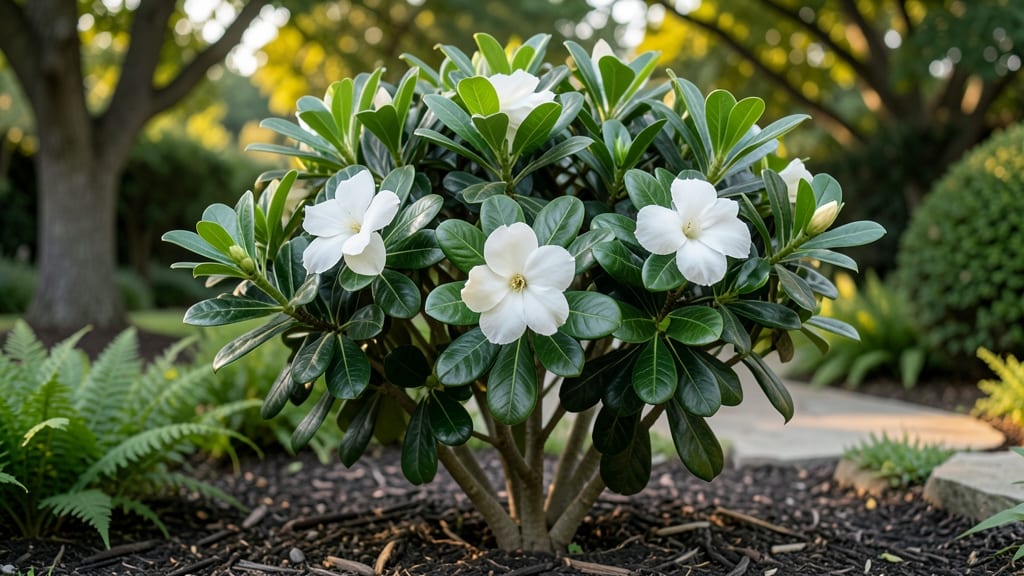
💥 Quick Answer Vinegar for gardenias can revive yellowing leaves by balancing soil acidity and fighting fungal diseases, but it must be diluted to prevent leaf damage. A 1:10 vinegar-water solution applied to soil or…
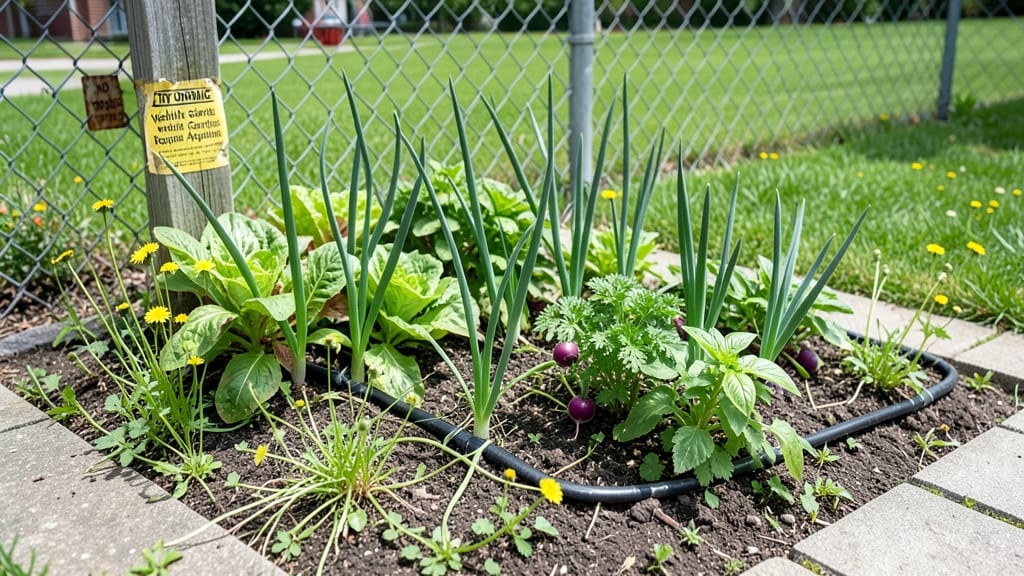
💥 Quick Answer A front yard vegetable garden may be illegal if it violates local zoning laws, HOA rules, or agricultural restrictions, often requiring permits or limiting cultivation to backyard areas. Always verify…
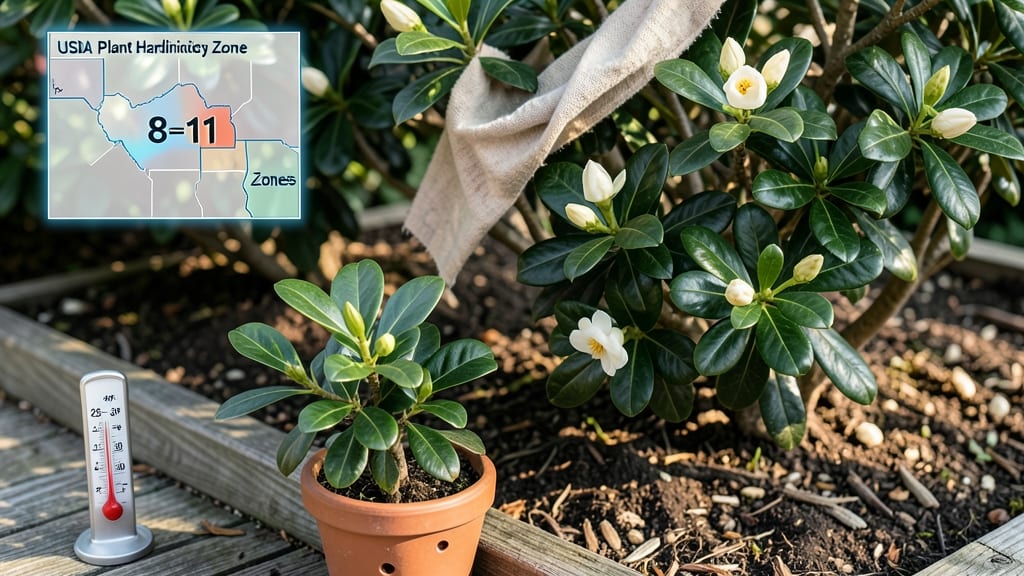
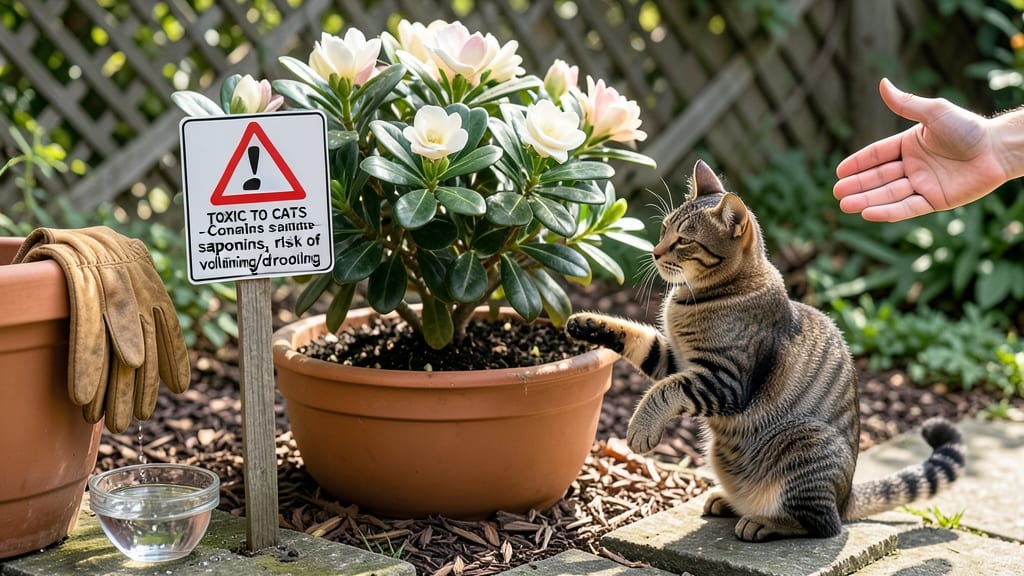
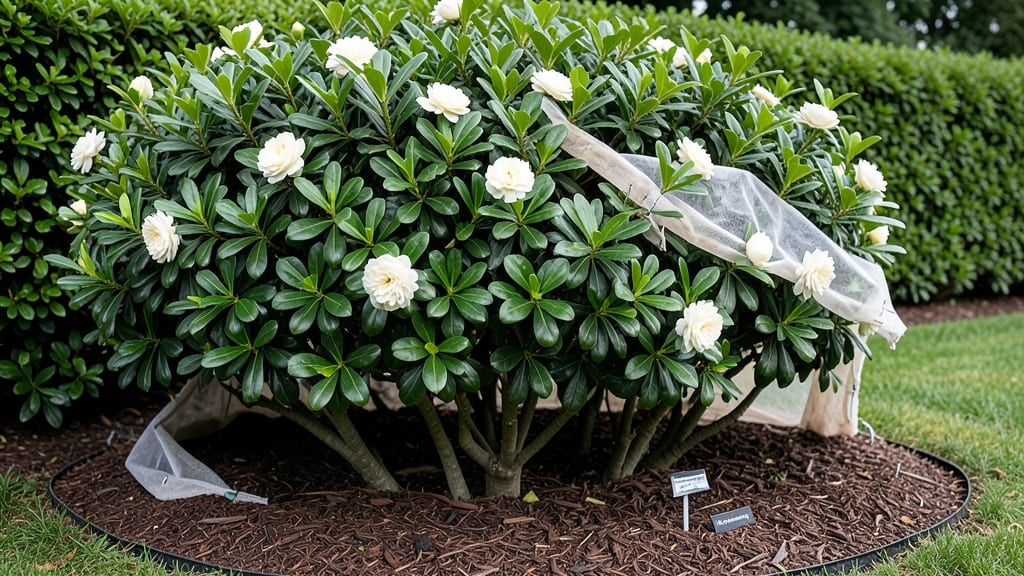
💥 Quick Answer Gardenias in Texas can thrive with frost-resistant varieties and careful winter protection, especially in zones 8-10 where they bloom beautifully year-round. Texas's hot summers and occasional cold snaps…
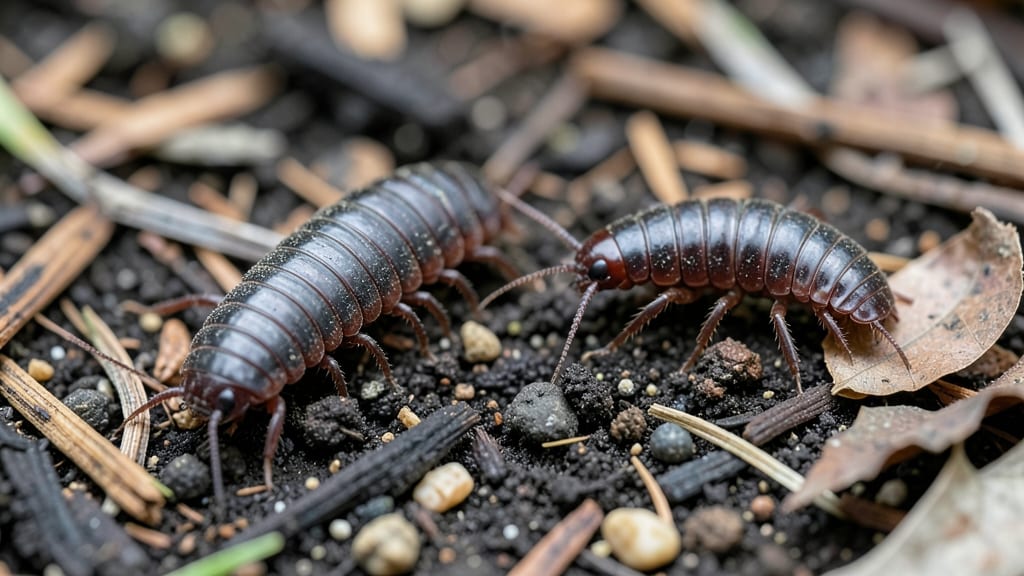
💥 Quick Answer Millipedes in gardens are generally good or bad because they break down organic debris, enhance soil fertility, and help control pests like slugs and aphids. However, their numbers can become problematic…
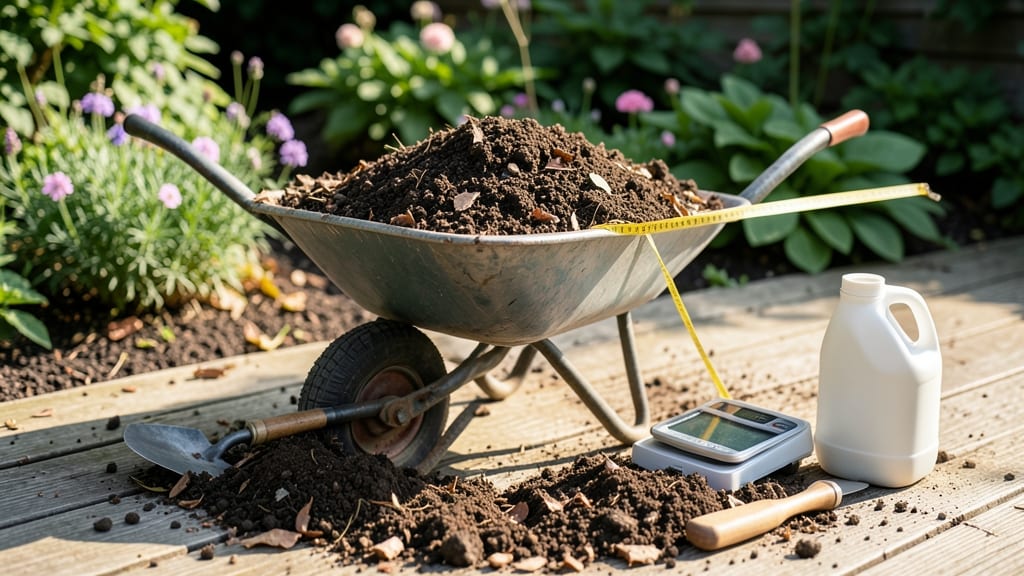
💥 Quick Answer A yard of garden soil weighs between 1,800 and 2,200 pounds on average, but this varies widely based on moisture levels, soil composition, and compaction. Sandy soil often tips the scales at around 1,500…
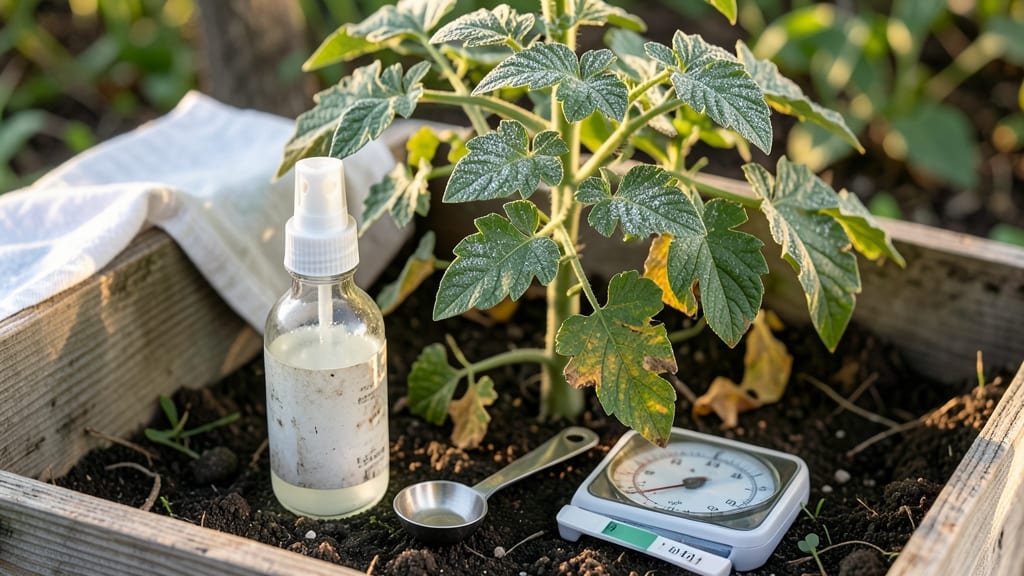
💥 Quick Answer Baking soda in the garden works as a natural slug killer by drying out their slimy trails and clogging their respiratory systems, all while being completely safe for plants when used properly as a spray…
💥 Quick Answer To find master gardeners near you, start by contacting your local Cooperative Extension Service office or university horticulture programs, which provide training and volunteer opportunities. Many…
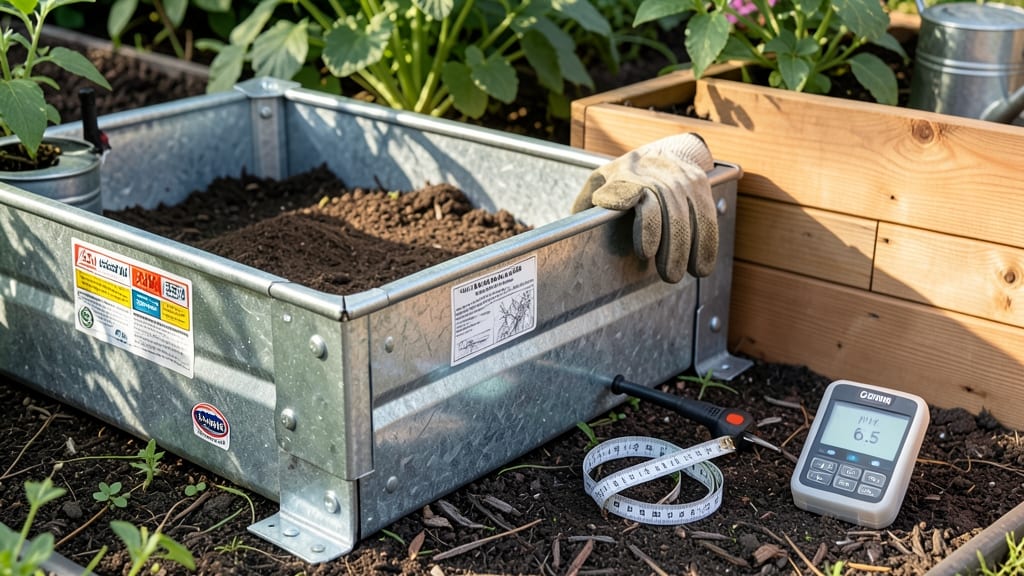
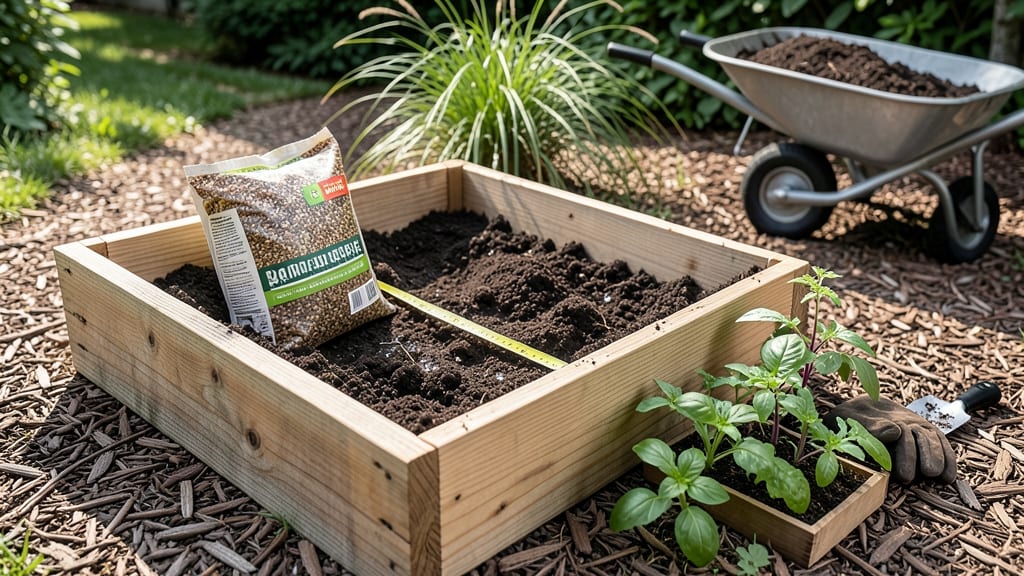
💥 Quick Answer The ideal raised garden bed height ranges from 6 to 12 inches to balance root space and accessibility, with 8 to 12 inches recommended for taller gardeners or heavy soil conditions. Deeper beds (18+…
💥 Quick Answer Adding pine shavings to garden beds can acidify soil, making it ideal for plants like blueberries and azaleas, but overuse risks harming vegetables by over-acidifying soil and reducing nitrogen levels…
💥 Quick Answer Tall garden phlox spreads gradually through underground rhizomes, expanding about 12–18 inches annually under ideal growing conditions, though its natural clumping growth keeps it more controlled than…