
Planting
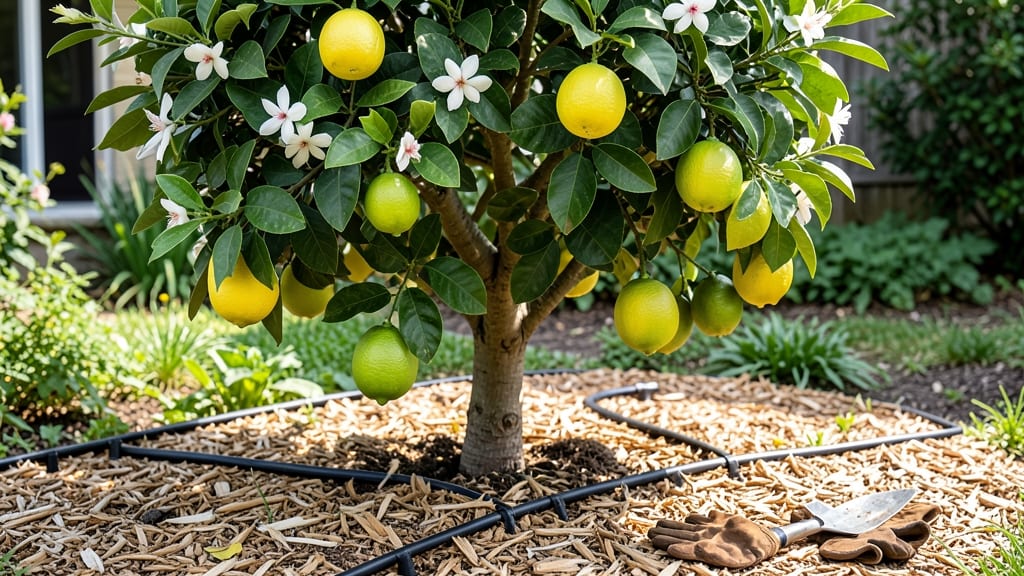
Zone 9 gardening thrives with year-round warmth, allowing tropical plants like hibiscus and citrus to flourish while requiring strategic timing for cool-season crops like lettuce and broccoli. Microclimates—such as shaded areas or windbreaks—extend growing seasons and protect plants from heat stress or frost pockets, even in mild winters.
This region's near-perpetual growing season means you can plant almost anything, but the key lies in understanding your specific microclimate. 🌿 Coastal areas stay cooler with ocean breezes, while inland zones can hit 100°F+ in summer, requiring shade for heat-sensitive plants.
I’ve seen citrus trees thrive in one backyard while wilting just a block away—location matters more than you’d think. The trick is matching plant needs to your yard’s unique conditions, whether that’s morning sun for tomatoes or afternoon shade for basil.
For cool-season crops, timing is everything. Lettuce and broccoli need cooler temps to avoid bolting, so I start seeds in late summer for fall harvests or use shade cloth in peak heat.
Succession planting keeps your garden productive year-round, but watch for pests that thrive in warm winters. The real secret? Observing your garden’s rhythm and adjusting as conditions change.
💡 In This Article
- Understanding Zone 9’s Unique Climate and Plant Hardiness
- Zone 9 Planting Calendar: When to Sow, Transplant, and Harvest
Understanding Zone 9’s unique climate and plant hardiness
Zone 9's climate is defined by its narrow temperature range—average annual minimum temperatures hover between 20°F and 30°F, with most areas rarely dropping below 25°F.
This means frost-free periods can last 300+ days per year, creating ideal conditions for tropical and subtropical plants that would freeze in colder zones. The real magic happens in how this warmth interacts with humidity levels, which typically stay between 40-60%—perfect for citrus, bougainvillea, and other moisture-loving species.
What makes Zone 9 special is how these conditions allow plants to grow year-round without the extreme heat stress seen in desert climates or the cold snaps of Zone 8.
The heat tolerance threshold for most Zone 9 plants sits around 95-100°F, but prolonged exposure above 105°F can cause leaf scorch in sensitive varieties like lettuce or basil.
This is where microclimates become your best friend—coastal areas benefit from ocean breezes that keep temperatures 5-10°F cooler than inland zones, while urban heat islands can push temps up by 10°F or more in shaded alleys.
For example, a palm tree might thrive in a breezy coastal garden but struggle in a concrete-heavy downtown area just miles away. 🌊 The key is observing your yard's specific conditions: north-facing walls provide shade, while south-facing slopes get intense afternoon sun.
Plant hardiness in Zone 9 isn't just about surviving winters—it's about thriving through all four seasons. Citrus trees, for instance, need 100-200 chill hours (temperatures between 32-45°F) to produce fruit, but most Zone 9 areas only get 50-100 chill hours naturally.
This is why growers often use techniques like wrapping trees in frost cloth or planting near reflective surfaces that create microclimates with slightly cooler nights. Similarly, vegetables like broccoli and kale bolt (flower prematurely) when daytime temps exceed 75°F, so timing plantings for cooler months becomes critical.
Microclimates create such dramatic differences that you might have three distinct growing zones in a single backyard. A shady corner under an oak tree could support cool-loving herbs like cilantro, while the sunny patio thrives with peppers and tomatoes.
Windbreaks made from bamboo or evergreen hedges can reduce heat stress by 20-30% in exposed areas, while drip irrigation systems maintain soil moisture during 100°F+ days when evaporation rates skyrocket.
The science behind this is simple: plants in Zone 9 don't just need the right temperature—they need the right combination of temperature, humidity, and airflow to stay healthy.
Consider the case of avocado trees, which are technically Zone 9 plants but often struggle in inland areas. The solution? Plant them near reflective surfaces like light-colored walls or water features that create cooler microclimates.
I've seen avocado trees produce fruit in coastal Zone 9 gardens where they fail just 5 miles inland—the difference is often just a 10°F variation in average nighttime temperatures.
This is why successful Zone 9 gardeners treat their yards like a science experiment, constantly monitoring and adjusting conditions to match plant needs. 🌱
Even the soil plays a role in plant hardiness. Zone 9's warm climate means organic matter decomposes 2-3 times faster than in cooler zones, so gardeners need to replenish nutrients more frequently.
Mulching with 3-4 inches of wood chips or straw helps maintain soil moisture and temperature stability, while raised beds can prevent heat stress in root crops like carrots. The bottom line?
Zone 9 gardening isn't about brute-force planting—it's about working with nature's microclimates to create the perfect conditions for each plant's success.