
Pests
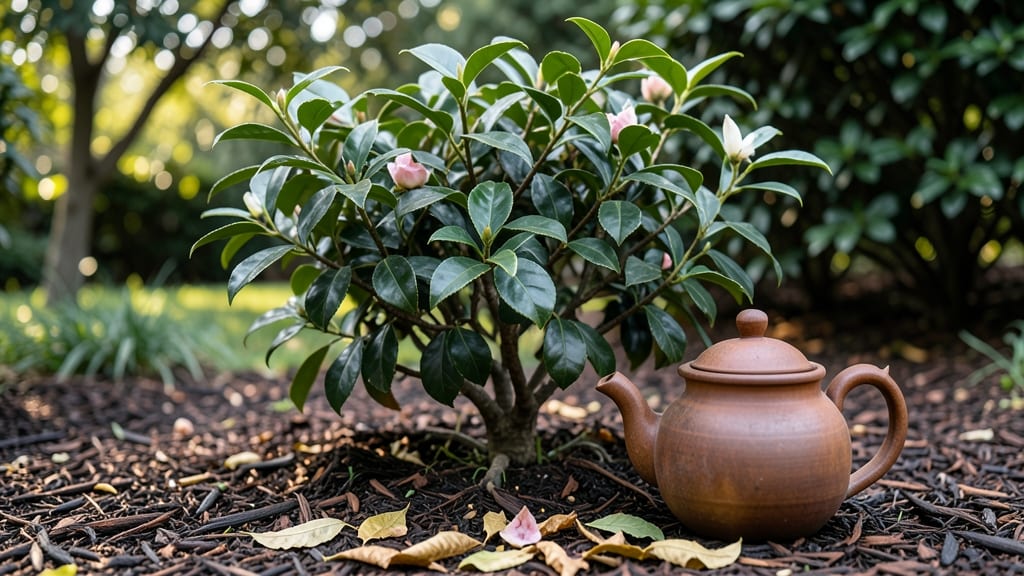
Tea leaves in the garden act as a natural pest deterrent against aphids and slugs while improving soil fertility through nitrogen enrichment and moisture retention. Simply compost them or spread dried leaves around plants.
These humble leaves contain natural compounds like tannins and caffeine that disrupt pests' feeding patterns, while their organic matter breaks down to create a healthier soil ecosystem. 🌱 The caffeine in tea leaves, for example, acts as a mild insect repellent without harming beneficial garden organisms.
Plus, the leaves form a protective barrier that reduces evaporation, keeping soil moist longer between waterings.
For best results, use dried tea leaves (fresh leaves can compact and create anaerobic conditions). You can create a simple mulch by mixing them with grass clippings or spread them directly around plants. Just avoid overapplying—too many leaves can smother smaller plants or attract fungus gnats.
💡 In This Article
- How Tea Leaves Deter Pests and Boost Soil Health
- Practical Ways to Use Tea Leaves in Your Garden
How tea leaves deter pests and boost soil health
Tea leaves work as a natural pest repellent thanks to their chemical composition. The tannins (up to 15% of dried tea leaves) create a bitter taste that deters chewing insects like aphids and cabbage worms.
Meanwhile, the caffeine (about 2-4% in black tea) disrupts pests' nervous systems at high concentrations, making them avoid treated areas. These compounds don't harm plants but create an inhospitable environment for slugs and snails, which prefer soft, undisturbed soil.
The organic matter from tea leaves breaks down through microbial activity, adding 2-3% nitrogen by weight as it decomposes. This nitrogen boost stimulates beneficial soil bacteria and fungi that improve nutrient cycling.
The leaves also create a physical barrier that reduces soil evaporation by 30-40% compared to bare ground, keeping moisture locked in while suppressing weed seeds that need sunlight to germinate. 🌱
For slug control, the caffeine in tea leaves acts as a natural slug repellent when applied directly to garden beds. Studies show that slugs avoid areas treated with tea leaf extracts at concentrations as low as 0.5%.
The leaves' coarse texture also creates an uneven surface that makes it difficult for slugs to move across, while their decomposition produces a slightly acidic environment (pH 6.0-6.5) that many garden pests find uncomfortable.
One often-overlooked benefit is how tea leaves improve soil structure. As they decompose, they create tiny air pockets that enhance aeration while their fibrous texture helps bind soil particles together. This creates a looser soil that's easier for plant roots to penetrate.
For container gardens, mixing 1 cup of dried tea leaves per 5 gallons of potting mix can improve drainage while providing slow-release nutrients over 3-6 months.
The caffeine in tea leaves also has a secondary benefit: it acts as a natural fungicide against common garden pathogens like powdery mildew. When used as mulch, the gradual release of these compounds creates a protective zone around plants without the chemical residues found in synthetic fungicides.
Just be mindful of overapplication—more than 2 cups per square foot can create anaerobic conditions that harm beneficial microbes.
For maximum effectiveness, use used tea leaves (both black and green work equally well) that have been completely dried. Fresh leaves can compact too tightly and create waterlogged conditions.
The ideal application rate is 1/4 to 1/2 inch thick when used as mulch, spread evenly around plants but kept 2 inches away from stems to prevent moisture-related diseases. 💫