I’ve always found solace in the dirt—whether it was sneaking tomatoes from my neighbor’s garden as a kid or helping my grandpa coax life out of stubborn seeds. This site is where I share the lessons I’ve learned from both successes and spectacular failures. My goal? To make gardening feel less like a chore and more like a conversation with the earth.
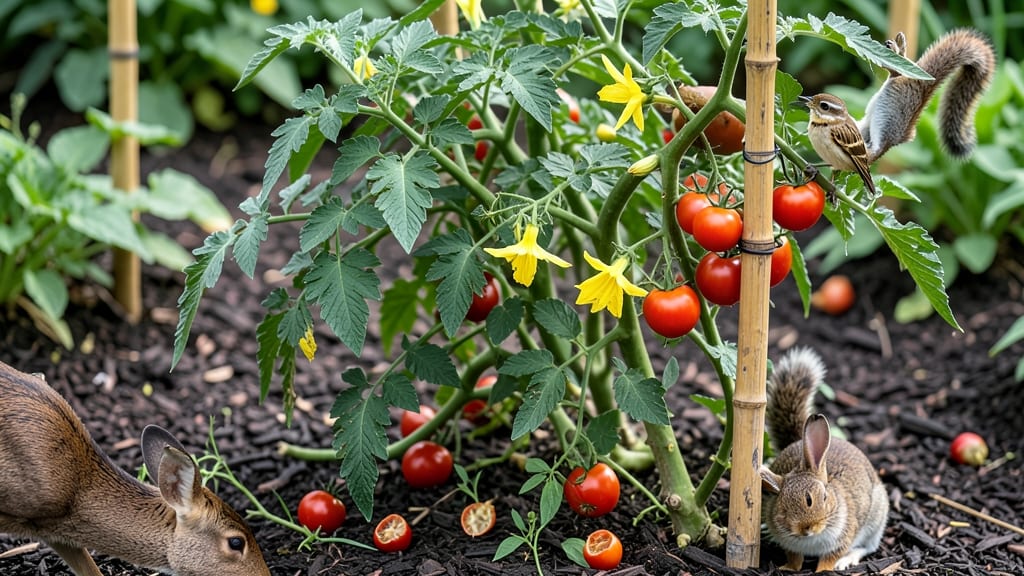
💥 Quick Answer Animals that eat garden tomatoes include squirrels, raccoons, deer, birds, slugs, and insects like tomato hornworms, which can destroy both ripe and unripe fruit. Recognizing which creatures are causing…
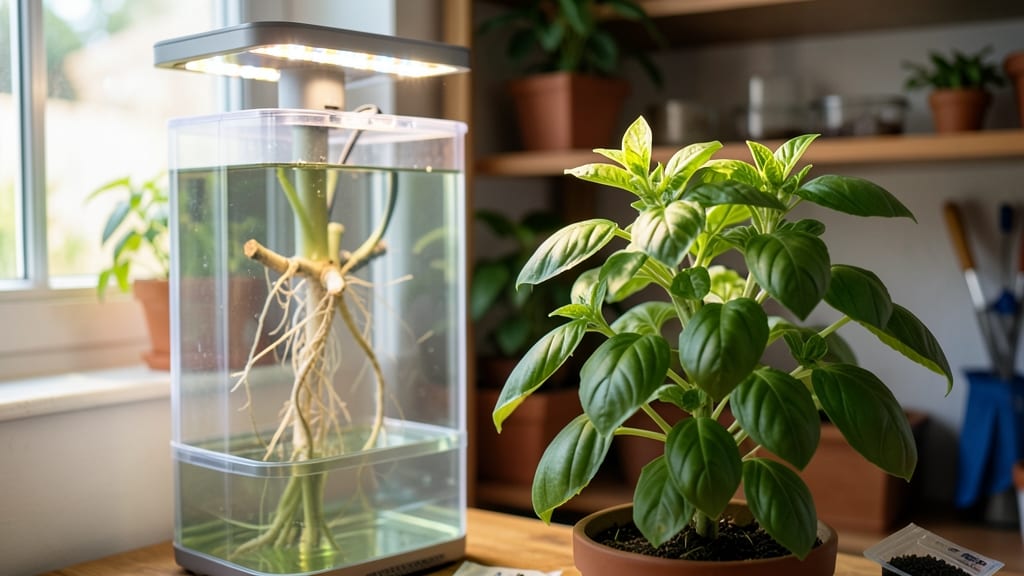
💥 Quick Answer An AeroGarden is a hydroponic indoor gardening system that uses LED grow lights, water, and nutrients to cultivate fresh herbs, vegetables, and flowers without soil. Its compact design and automated…
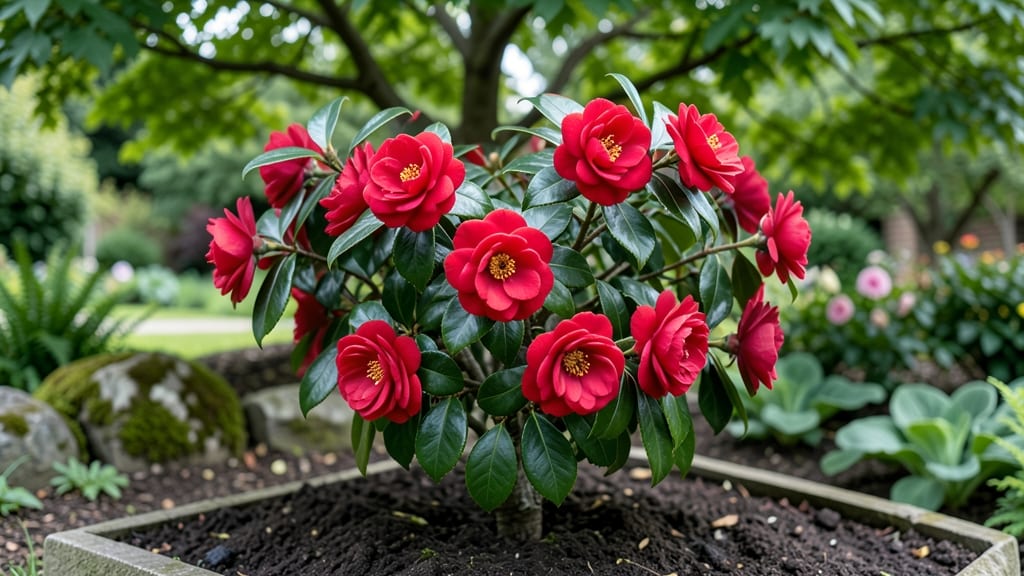
💥 Quick Answer What is the rarest thing to grow in a garden? It’s the Middlemist Red camellia, a prized hybrid with deep crimson blooms that thrives only in specific microclimates. Other ultra-elusive options include…
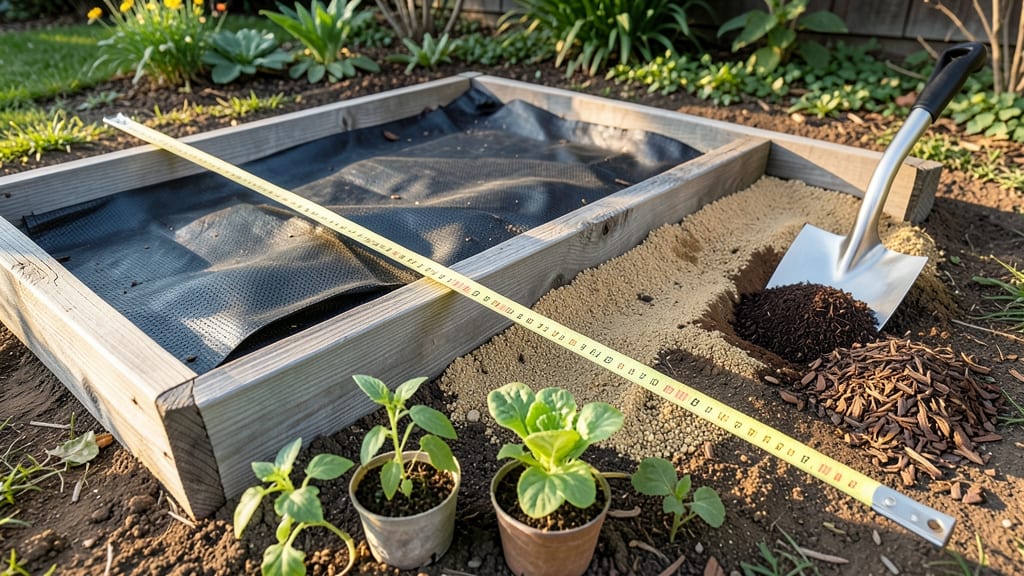
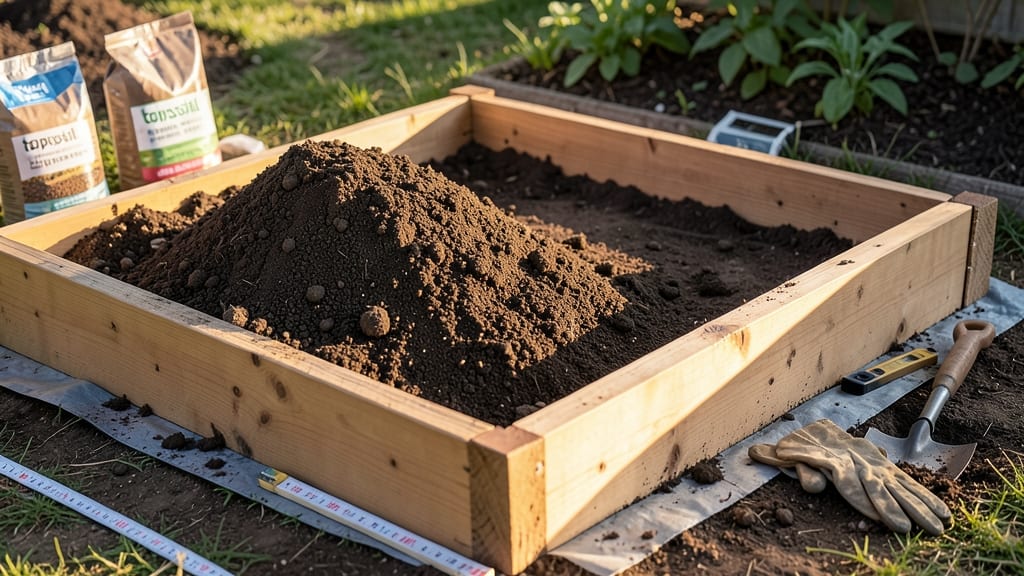
💥 Quick Answer To determine how much soil for a garden bed, multiply the length by width by depth (in feet) to get cubic feet—typically 6–12 inches deep requires 0.5–1.5 cubic feet per square foot of bed. Adjust for…
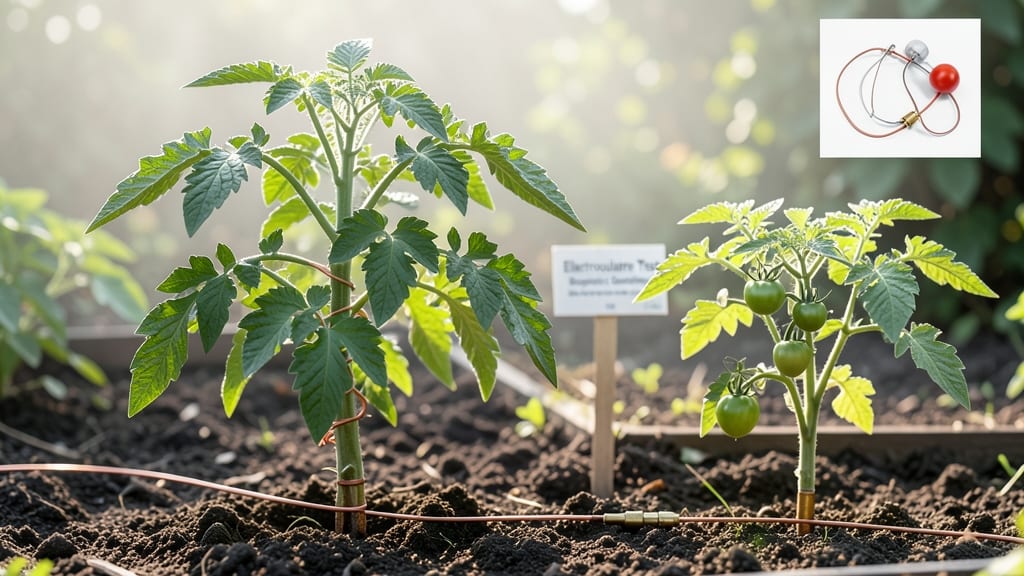
💥 Quick Answer Electroculture gardening is a technique that uses low-voltage electric fields to boost plant growth by enhancing root systems, nutrient absorption, and overall productivity without direct electrical…
💥 Quick Answer Cardboard is not toxic in the garden when used properly, but its ink and adhesives may contain harmful chemicals that can leach into soil. Plain, uncoated cardboard is safest when buried or soaked before…
💥 Quick Answer The myth about Epsom salt in gardens being a universal magnesium booster is just that—a myth. Most soils already contain adequate magnesium, and overapplying Epsom salt can actually harm soil chemistry…
💥 Quick Answer To determine how much soil for a raised garden bed, multiply length, width, and depth (in feet) to get cubic feet, then adjust based on plant needs—root vegetables need 12-18 inches, most veggies 6-12…
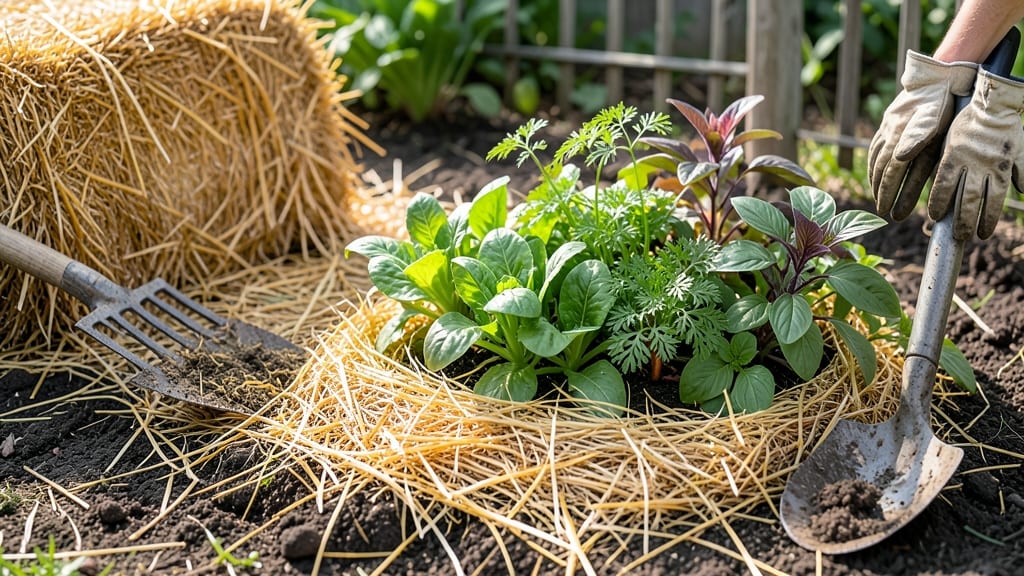
💥 Quick Answer Using straw in gardens creates a natural mulch layer that enhances soil aeration and moisture retention while protecting roots from temperature extremes. It also smothers weeds and adds organic matter as…
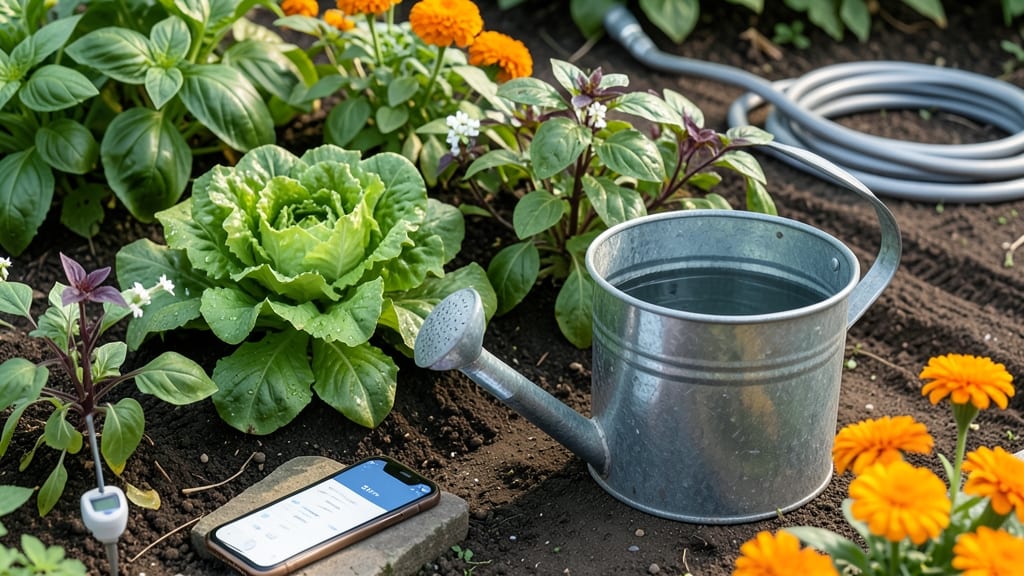
💥 Quick Answer Determining how long to water your garden depends on soil type and plant needs: most plants thrive with 1 to 1.5 inches of water per week, delivered in deeper, less frequent sessions to promote strong…