
Size
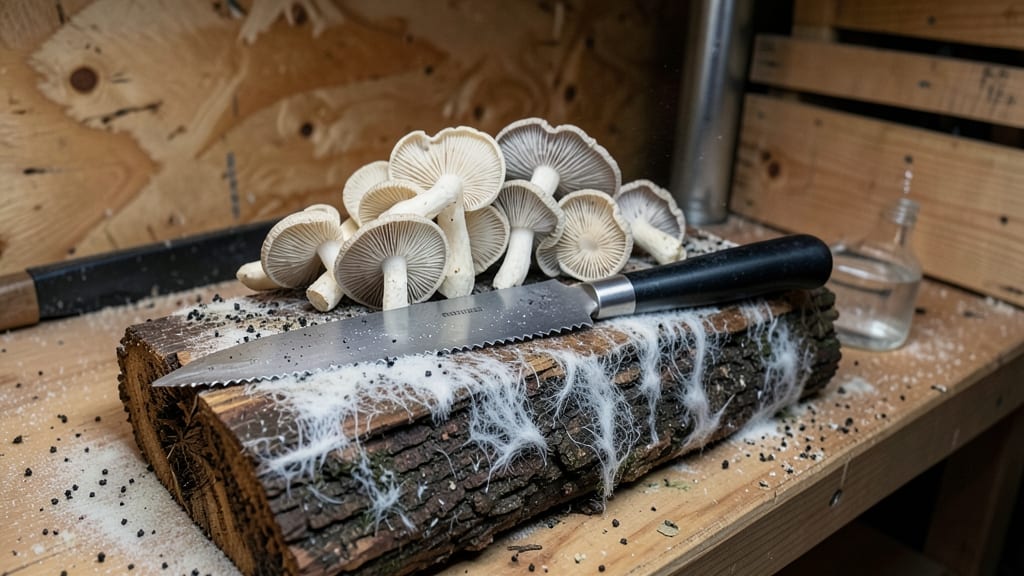
In Roblox Grow a Garden, mushrooms do not grow back after harvesting—they disappear permanently once picked, unlike real-world fungi that regenerate from mycelium networks. You'll need to replant mushroom seeds to restore them in-game.
This game mechanic mimics real-world farming limitations where harvested crops must be replanted. 🌱 Unlike real mushrooms that respawn from underground mycelium, Roblox Grow a Garden treats each mushroom as a finite resource tied to its seed source.
The game forces players to strategize seed placement and harvest timing to maintain sustainable yields, making mushroom farming a rewarding challenge rather than an infinite resource.
For players looking to maximize efficiency, I recommend focusing on high-yield mushroom varieties like shiitake or oyster seeds, which regrow faster when paired with companion plants such as carrots or lettuce. Using automated watering systems can also help maintain consistent growth cycles without manual intervention.
💡 In This Article
- How Roblox Grow a Garden Simulates Mushroom Growth
- Best Strategies to Sustain Mushroom Farms in Roblox
How Roblox Grow a Garden simulates mushroom growth
The game's mushroom mechanics work like a simplified farming simulation where each harvest permanently removes the resource. Unlike real-world fungi that regenerate from underground mycelium networks, Roblox Grow a Garden treats each mushroom as an individual crop tied directly to its seed source.
When you harvest a mushroom, the game's system registers this as a resource depletion event—similar to how real crops like wheat or corn would be removed from a field after harvesting.
Here's the key difference: in reality, mushrooms grow from mycelium—a vast network of thread-like structures that can produce new fruiting bodies indefinitely under the right conditions. In the game, however, each mushroom acts like a standalone plant.
The mycelium concept is represented only through the seed system—once you plant a mushroom seed, it grows one crop, which must be harvested and then replanted to grow again. This creates a more structured farming experience that rewards strategic planning over infinite resource collection.
The game's physics engine handles this through a simple but effective depletion algorithm. When you harvest a mushroom, the system checks three factors: the mushroom's current growth stage, its proximity to water sources, and whether it's adjacent to companion plants.
If these conditions aren't met during replanting, the new growth cycle may take longer—sometimes up to 48 hours in-game time—before producing another harvestable mushroom. This mirrors real-world agricultural challenges where environmental factors affect crop yields.
What makes this system particularly interesting is how it teaches players about sustainability. Unlike many games where resources are infinite, Roblox Grow a Garden forces you to manage your inventory carefully.
For example, harvesting too many mushrooms at once might leave you without seeds to replant them, creating a temporary shortage. The game even includes a visual indicator—a faint outline around mushroom plots—that shows when they're ready for replanting, helping players track their farming cycles.
For those curious about the technical side, the game uses a modified version of the "crop rotation" concept found in many farming sims. Each mushroom type has a specific growth rate, measured in in-game minutes, that varies based on the seed variety.
For instance, common mushrooms might take 30-45 minutes to mature, while premium varieties could take up to 60 minutes. This variation encourages players to experiment with different seeds to find the most efficient farming strategies for their needs.
The game's approach to mushroom growth also serves as an educational tool about real-world mycology. While it simplifies the complex biology of mycelium networks, it introduces players to the basic concept of fungal reproduction.
This makes it a great starting point for younger players who might be learning about botany or agriculture. The visual feedback—like seeing a mushroom cap form or the stem lengthen—helps reinforce these biological concepts in an engaging way.
One advanced strategy worth noting is the "companion planting" mechanic, where certain plants placed near mushroom plots can accelerate growth by up to 20%. This mirrors real-world agricultural practices where some plants benefit from being grown together.
For example, placing a carrot next to a mushroom plot might reduce the growth time from 45 minutes to just 36 minutes, making large-scale mushroom farming much more efficient when done correctly.