
Tools
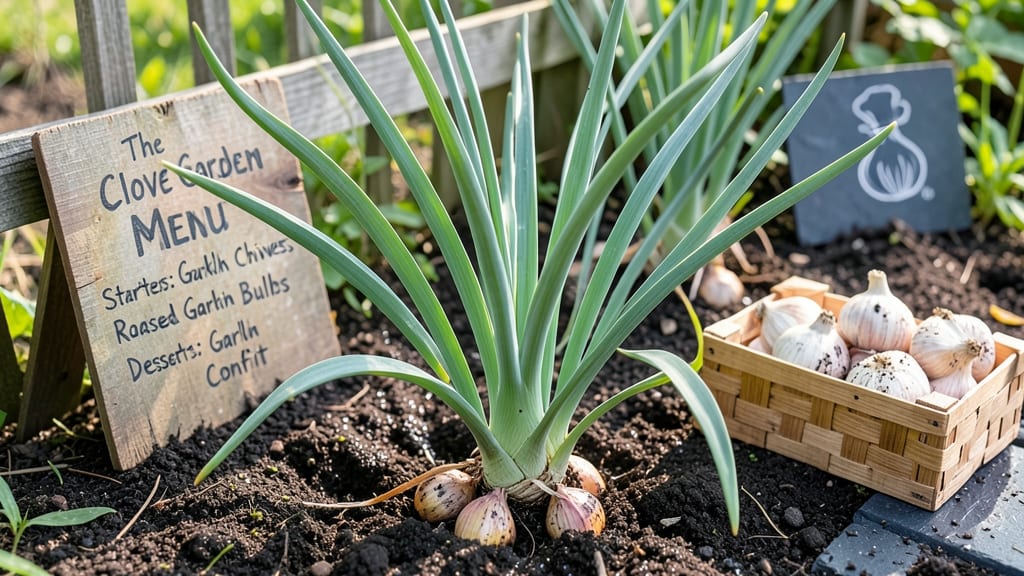
The Clove Garden menu transforms homegrown herbs, vegetables, and edible flowers into vibrant, chef-inspired dishes that highlight seasonal flavors. Signature plates include heirloom tomato salads, basil-infused pasta, and lavender-glazed desserts, all crafted with locally sourced ingredients for maximum freshness.
The Clove Garden menu isn't just about food—it's a celebration of what grows right outside your door. 🌿 I've found that dishes like heirloom tomato salads shine when paired with fresh basil and a sprinkle of cloves, adding warmth and depth without overpowering.
The real magic happens when you source ingredients locally, ensuring each bite carries the essence of the season. This approach turns everyday meals into restaurant-worthy experiences, proving that farm-to-table doesn't have to be complicated.
What sets this menu apart is how it balances bold flavors with simplicity. 💛 For example, lavender-glazed desserts might seem unexpected, but the floral notes complement sweet ingredients perfectly when done right.
The key is understanding which herbs and flowers play well together—like pairing spicy cloves with creamy desserts or using basil to enhance tomato-based dishes.
💡 In This Article
- How to Grow Your Own Clove Garden Ingredients
- Chef’s Tips for Pairing Garden Ingredients Like a Pro
How to grow your own clove garden ingredients
The Clove Garden menu thrives on freshness, so growing your own ingredients is key. Start with basil, which loves full sun (6-8 hours daily) and well-draining soil with a pH of 6.0-7.0.
Plant seeds ¼ inch deep after the last frost, spacing them 12 inches apart—this prevents overcrowding and ensures robust leaves for pasta dishes. 🌱 For lavender, choose a sunny, dry spot with sandy soil; it’s drought-resistant once established, making it perfect for glazes and garnishes.
Heirloom tomatoes need sturdy support like cages or stakes and 1-2 inches of compost mixed into the soil before planting. Varieties like 'Brandywine' or 'Cherokee Purple' deliver deep, complex flavors that shine in salads.
Cloves, often used as a spice, can be grown from whole cloves (like cinnamon) planted ½ inch deep in warm, moist soil. They take 6-8 months to mature but add aromatic warmth to both savory and sweet dishes.
Seasonal timing matters—basil and tomatoes thrive in warm weather, while lavender and cloves prefer milder conditions. Plant basil in late spring and harvest leaves regularly to encourage growth.
For cloves, start indoors 8-10 weeks before the last frost, then transplant after temperatures stabilize above 70°F. 💫 Rotate crops yearly to prevent soil depletion, especially for heavy feeders like tomatoes.
Don’t overlook edible flowers like nasturtiums or violets—they add vibrant colors and peppery or floral notes to salads. These grow quickly in partial shade and tolerate cooler temperatures better than most herbs. Pair them with basil or lavender for a visually stunning, flavor-packed dish that feels like a chef’s secret.
Soil health is non-negotiable: enrich with compost or aged manure before planting, and mulch to retain moisture. Avoid synthetic fertilizers—they can alter flavor profiles. Instead, use organic amendments like fish emulsion or worm castings.
The result? Ingredients so flavorful, they’ll make your dishes taste like they came straight from a Michelin-starred kitchen.
For a foolproof start, begin with 3-4 core plants: basil, lavender, tomatoes, and cloves. These cover the menu’s essential flavors—herbal, floral, sweet, and spicy—while keeping maintenance manageable. With the right care, your garden will yield ingredients so vibrant, they’ll transform even simple recipes into gourmet masterpieces. 🌿