
Pests
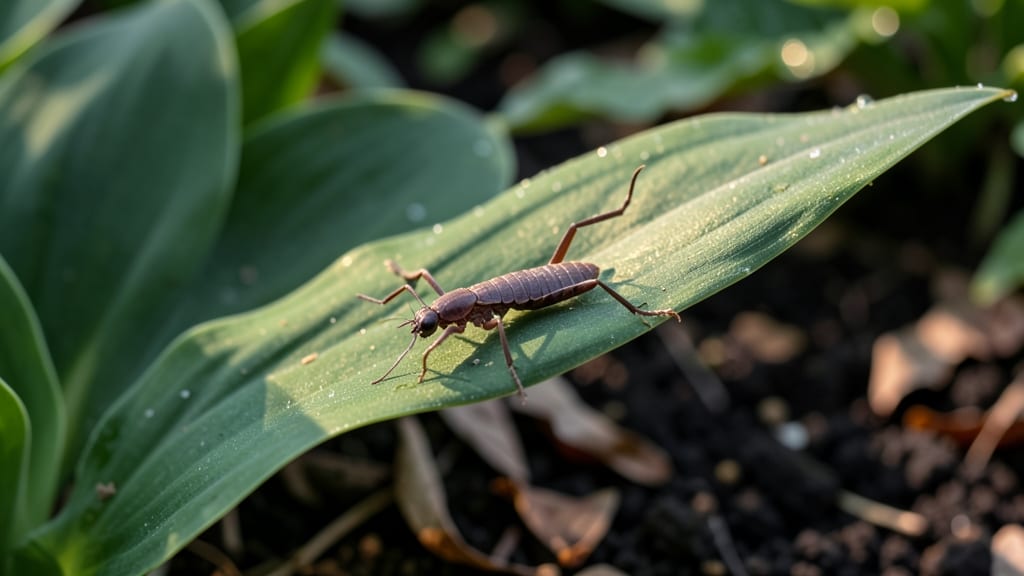
Deterring rabbits in garden requires combining commercial repellents (like Thiram or garlic-based sprays), planting rabbit-resistant herbs (mint, lavender), and installing physical barriers such as fencing or wire mesh. Regular application and maintenance are essential for lasting protection.
Rabbits are drawn to gardens by tender young shoots and soft foliage, making them persistent visitors. 🌱 The key to success lies in disrupting their feeding patterns through multiple strategies—chemical deterrents disrupt their sense of smell, while physical barriers block access entirely.
I’ve found that combining these methods creates an environment rabbits simply won’t tolerate, especially when you rotate repellent types seasonally to prevent adaptation. For instance, predator urine sprays work well in early spring when rabbits are most active, while garlic-based options provide a longer-lasting deterrent during warmer months.
Physical solutions like raised beds or buried wire mesh create an additional layer of protection that’s especially effective for high-value plants. The secret weapon here is consistency—rabbits learn quickly, so any gaps in your defense strategy will be exploited.
I recommend checking your barriers and reapplying repellents every 2-4 weeks, or after heavy rain, to maintain effectiveness. This proactive approach saves you from the frustration of finding chewed plants overnight.
💡 In This Article
- How Rabbit Repellents Work: Science Behind Effective Deterrents
- Best Rabbit-Resistant Plants and Physical Barriers for Gardens
How rabbit repellents work: science behind effective deterrents
Rabbit repellents primarily exploit their keen sense of smell and taste aversion. Commercial products like Thiram (a sulfur-based compound) disrupt their feeding behavior by creating an unpleasant odor and taste on plants.
When applied, Thiram forms a thin film on foliage that rabbits detect through their Jacobson's organ, a specialized sensory structure in their nasal cavity designed to identify chemical cues. This triggers an instinctive avoidance response—similar to how humans recoil from bitter flavors. 🔥
The effectiveness of these repellents varies based on active ingredients. For example, predator urine sprays (like fox or coyote urine) contain pheromones that signal danger, while capsaicin-based sprays (derived from chili peppers) create a burning sensation when ingested.
Studies show that rabbits avoid areas treated with capsaicin even after just one exposure, as the irritation lingers in their memory. Environmental factors like wind or rain can dilute these repellents, so reapplication every 7-10 days is critical for consistency.
Natural repellents, such as garlic or hot pepper sprays, work through a different mechanism—they release volatile organic compounds (VOCs) that rabbits find overwhelming. Garlic, for instance, contains allicin, a compound that emits a pungent sulfur smell when crushed.
This odor masks the scent of plants, making them less appealing. However, rabbits can adapt to these smells over time, which is why rotating repellent types is essential for long-term success. 💛
Physical barriers, like fencing or wire mesh, create a visual and tactile deterrent. Rabbits are cautious creatures—they won’t risk navigating through obstacles that feel unstable or sharp. A 2-foot-tall fence buried 6 inches deep is the gold standard, as it prevents them from tunneling underneath.
For raised beds, a 1/4-inch hardware cloth wrapped around the base ensures they can’t nibble on roots or climb in. The key here is eliminating access entirely, which removes the temptation to test repellents.
Seasonal adjustments are often overlooked but crucial. In spring, when new growth is most tender, rabbits are bolder, so a combination of predator urine and physical barriers works best.
During summer, when repellents may degrade faster due to heat, opt for longer-lasting options like Thiram granules or castor oil-based sprays. These adaptions ensure your deterrents stay effective year-round. ✨
What most gardeners don’t realize is that rabbits also avoid plants with strong aromas or toxic compounds. For example, lavender contains linalool, a compound that repels insects and mammals alike, while rosemary emits a scent rabbits find irritating.
These plants act as natural deterrents while adding beauty and fragrance to your garden. The synergy between repellents and resistant plants creates a multi-layered defense that’s far more effective than any single method.
Ultimately, the science behind deterring rabbits hinges on understanding their sensory triggers and behaviors. By combining olfactory disruption, taste aversion, and physical barriers, you create an environment that’s simply not inviting. The key takeaway? Consistency and variety in your approach will keep rabbits at bay for good. 🌟