I’ve always found solace in the dirt—whether it was sneaking tomatoes from my neighbor’s garden as a kid or helping my grandpa coax life out of stubborn seeds. This site is where I share the lessons I’ve learned from both successes and spectacular failures. My goal? To make gardening feel less like a chore and more like a conversation with the earth.
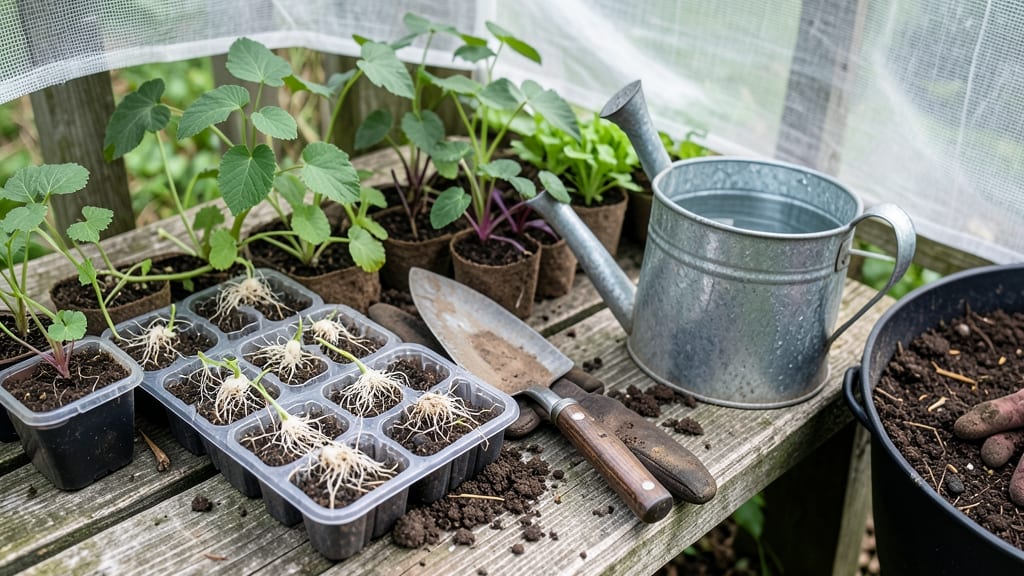
💥 Quick Answer June isn't too late to plant a garden if you choose quick-maturing, heat-resistant varieties like beans, cucumbers, or leafy greens. Select late-season cultivars and prioritize consistent moisture to…
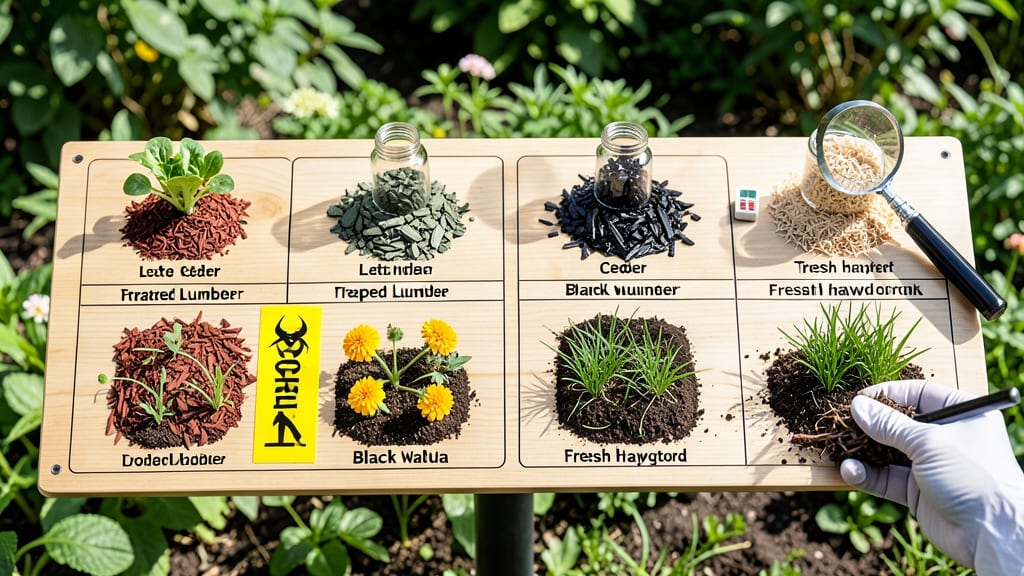
💥 Quick Answer Some kinds of wood chips are bad for gardens because they release tannins, phenolics, or chemical residues that stunt plant growth, alter soil chemistry, or introduce toxic compounds. You should avoid…
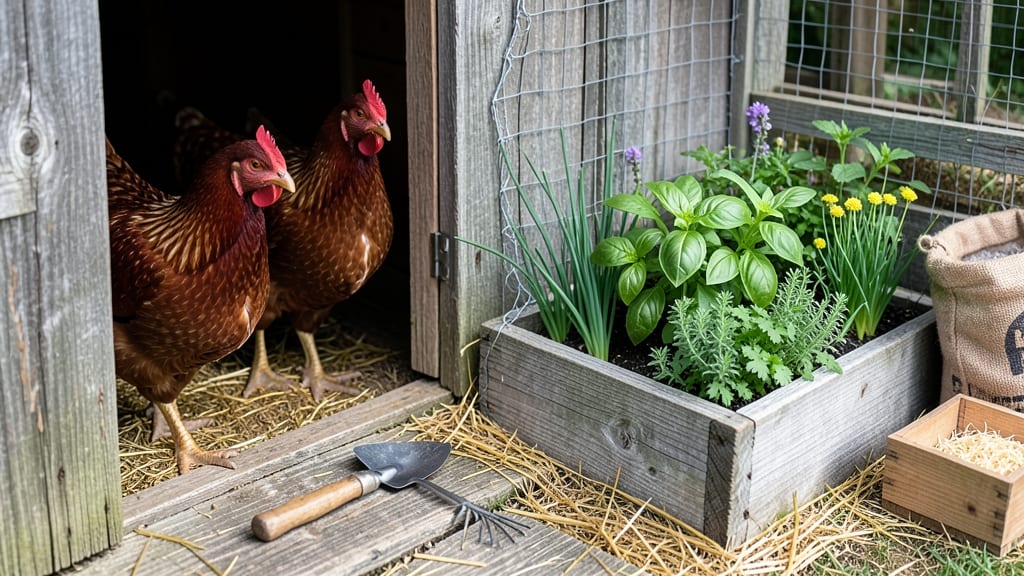
💥 Quick Answer Creating a functional chicken coop and garden together means smart placement: position the coop along the garden’s edge to save space, incorporate raised beds or vertical gardening to utilize every inch…
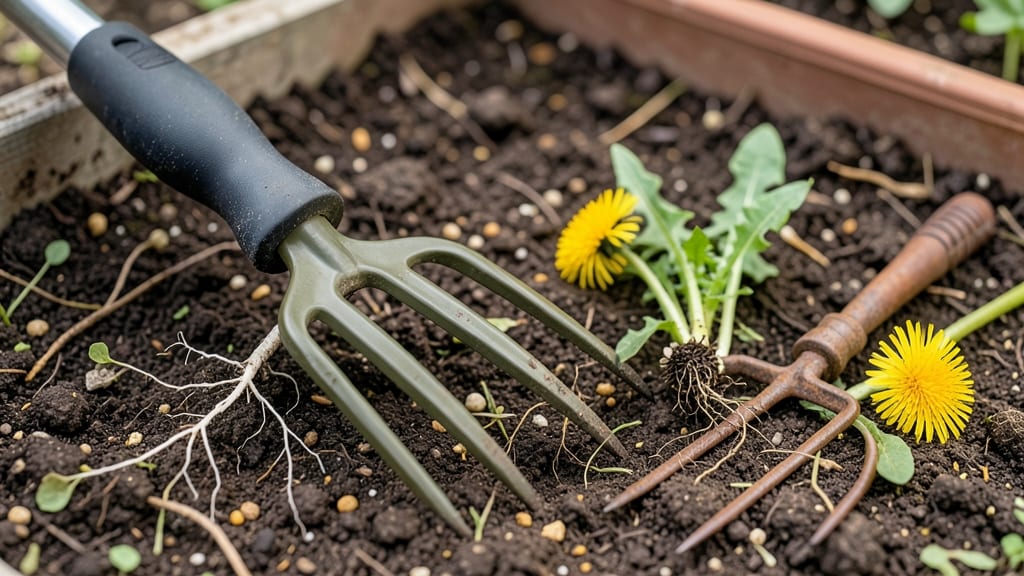
💥 Quick Answer A three-pronged gardening tool works best when you grip the handle securely, insert the prongs at a 45-degree angle into the soil, and apply steady downward pressure to lift weeds or aerate without…
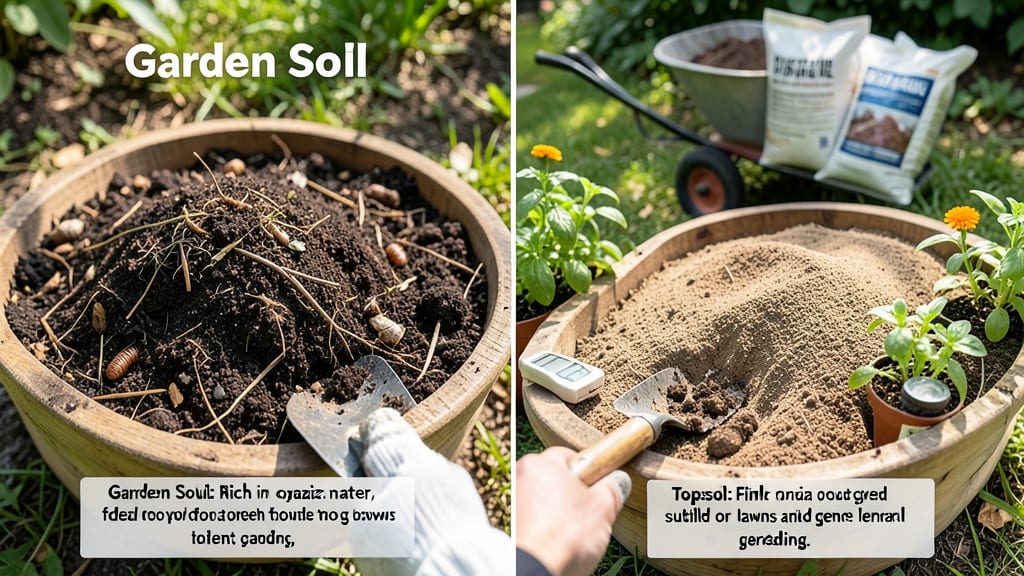
💥 Quick Answer Garden soil and topsoil are not the same: garden soil is specially formulated with compost, nutrients, and amendments for planting, while topsoil is the natural upper layer of soil that may need…
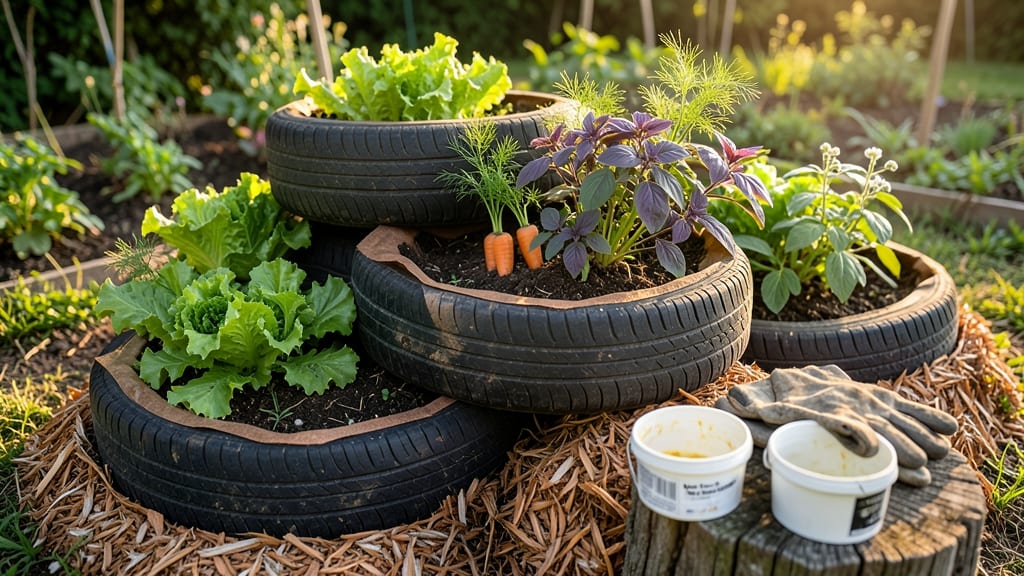
💥 Quick Answer Gardening with tires can be harmful because they release toxic chemicals like zinc, sulfur, and rubber additives that disrupt soil health, weaken plant roots, and accumulate in raised beds over time…