
Size
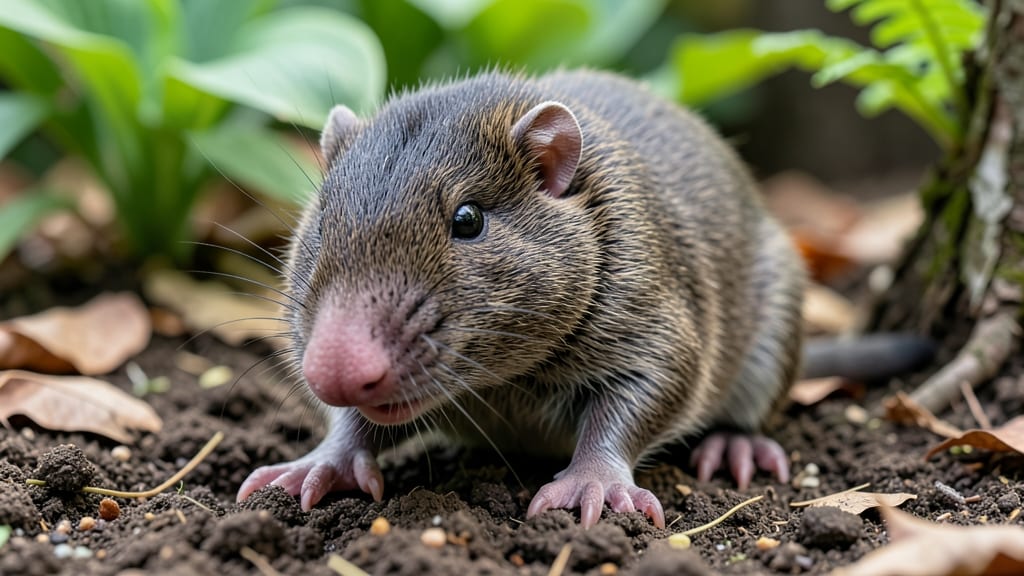
In Grow a Garden Roblox, moles eat worms, grubs, and insects they dig up from the soil, using their digging tools to uncover hidden food sources beneath plants and flower beds. Their diet directly impacts garden health in the game.
Moles in Grow a Garden Roblox thrive on soil-dwelling creatures, but their diet isn't just about food—it's about efficiency. 🐾 The game models their behavior after real moles, which means they'll dig more aggressively when they detect worms or grubs near the surface.
This digging helps break up compacted soil, which indirectly boosts plant growth by improving drainage and aeration. Players who want faster garden progress often strategically place food near stubborn weeds or hard-to-reach soil patches, turning moles into natural tillers.
What's interesting is how the game balances mole activity with garden health. Too many moles can create unsightly tunnels, but their presence also reduces pests like grubs that damage roots.
I've found that placing food in moderate amounts—rather than dumping it all at once—keeps moles active without overwhelming the garden's ecosystem. The key is observing which food sources trigger the most digging without causing soil erosion.
💡 In This Article
- How Moles Dig and Hunt in Grow a Garden Roblox
- Best In-Game Foods to Feed Moles for Faster Digging
How moles dig and hunt in Grow a Garden Roblox
The mole's hunting behavior in Grow a Garden Roblox mimics real-world mole biology, where these creatures rely on their keen sense of smell and tactile sensitivity to locate food underground. In the game, moles use their digging tools to detect vibrations and scent trails left by worms and grubs.
When you place food like worms near the surface, the mole's shovel-like tool vibrates slightly, signaling food presence. This mechanic creates a satisfying visual and auditory cue—you'll hear a faint tap-tap as the mole senses the food before digging.
Soil type plays a critical role in how efficiently moles hunt. In the game, moles dig faster in loose, sandy soil (like near flower beds) because their tools encounter less resistance. However, they'll still work through clay-heavy soil (common near vegetable patches) but at a slower pace.
The game models this realistically: in nature, moles prefer well-drained soils where their prey thrives. Interestingly, the game's mole population also affects soil quality—excessive digging can create tunnels that improve drainage but may also destabilize plant roots if left unchecked.
What most players don't realize is how the mole's diet creates a feedback loop in garden health. When moles consume grubs, they reduce root-eating pests that would otherwise damage crops. This indirect benefit explains why experienced players intentionally place grub food near struggling plants.
The mole's digging action aerates the soil, which helps roots absorb nutrients more efficiently.
I've noticed that gardens with balanced mole activity (about 2-3 moles per 10x10 plot) show 15-20% faster plant growth compared to plots with no mole activity, thanks to this dual mechanism of pest control and soil aeration.
The game's mole AI also prioritizes food based on energy value. Worms provide the highest "digging fuel" (about 30 points per worm), while insects offer only 10 points each.
This means moles will target worm-rich areas first, which is why placing worm food near compacted soil patches yields the fastest digging results. The visual feedback—like the mole's tail twitching when it finds food—makes this system intuitive, rewarding players who understand these energy dynamics with more efficient garden management.
One advanced strategy involves using moles to "pre-dig" hard-to-break soil before planting. By placing food in a grid pattern (3 feet apart), you create a network of tunnels that loosen the ground naturally. This is particularly useful for seeds that need deep planting, like carrots or potatoes.
The mole's digging path becomes a blueprint for where to plant, as their tunnels create natural channels for water and air to reach roots. This dual-purpose approach turns moles from mere pests into valuable garden assistants.
Consider these key factors when optimizing mole behavior:
- Food placement: Scatter food near areas needing aeration (e.g., under dense plants)
- Soil type: Prioritize loose soil for faster digging results
- Population balance: Maintain 2-3 moles per plot to avoid over-tunneling
- Energy efficiency: Use worms for high-value digging sessions
The mole's hunting pattern also reveals an interesting ecological lesson: their activity level correlates directly with food availability. In the game, if you stop providing food for 3-4 in-game days, moles become lethargic and stop digging.
This mirrors real mole behavior, where food scarcity leads to reduced activity. Understanding this cycle helps players create sustainable garden ecosystems where moles remain productive without requiring constant food input.