
Watering
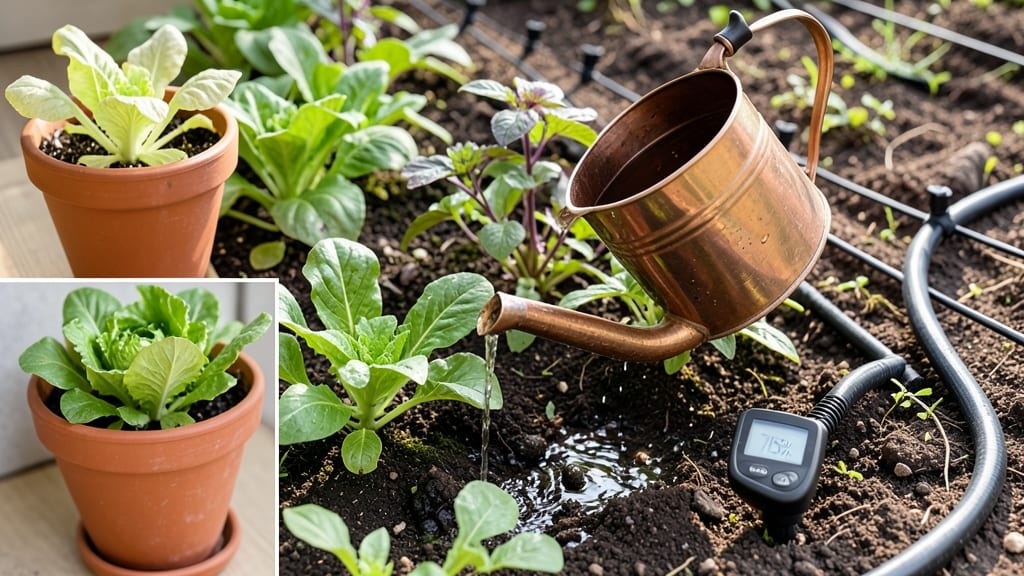
You don't need to water your garden every day—most plants grow best with 1 to 1.5 inches of water per week, though this varies by soil type, weather, and plant species. Daily watering often leads to root damage, while inconsistent watering causes stress; prioritize deep, less frequent watering instead.
Daily watering creates more problems than it solves, especially when roots struggle to breathe in soggy soil. 🌱 The key is understanding your garden's specific needs—sandy soil drains quickly, requiring more frequent but shallower watering, while clay holds moisture longer, demanding less but deeper hydration.
I've found that checking soil moisture with a finger (1-2 inches down) is the simplest way to avoid over- or under-watering without relying on a rigid schedule.
Different plants also have unique preferences: leafy greens like spinach need consistent moisture, while drought-resistant succulents thrive on neglect. The real secret lies in timing—watering early in the morning reduces evaporation and fungal risks, while afternoon sessions often lead to wasted moisture.
For most home gardens, a weekly deep soak with occasional adjustments based on rainfall is far more effective than daily sprinkling.
💡 In This Article
- How Soil and Plant Types Dictate Watering Frequency
- Smart Watering Schedules for Different Climates and Seasons
How soil and plant types dictate watering frequency
Soil composition is the foundation of your watering strategy because it determines how quickly moisture drains or evaporates. Sandy soil, with its coarse particles, drains water rapidly—often within 30-60 minutes—meaning plants need frequent but shallow watering (every 1-2 days in hot climates).
In contrast, clay soil holds water like a sponge, requiring deep watering every 7-10 days once established, as it can stay soggy for days. The ideal target is keeping moisture in the top 6 inches of soil, where most roots thrive.
Plant types also dictate frequency: vegetables like tomatoes and peppers need consistent moisture to prevent blossom-end rot, while succulents and lavender store water in their leaves and stems, requiring water every 2-3 weeks. 🌿 The root zone depth matters too—shallow-rooted herbs (like basil) need light daily checks, while deep-rooted perennials (like peonies) can survive weeks without supplemental water.
A simple test is to dig 2 inches deep: if the soil feels dry, it's time to water.
Overwatering is a silent killer—roots suffocate in waterlogged soil, leading to rot and fungal diseases like powdery mildew. You'll notice yellowing leaves, wilting despite wet soil, or a foul odor. Underwatering shows as crispy leaf edges or plants wilting by midday.
The solution? Use a moisture meter or the "squeeze test"—grab a handful of soil; if it crumbles easily, it's dry enough for most plants.
Seasonal adjustments are critical: spring showers may reduce your watering needs, while summer heat can double evaporation rates. Mulch (like straw or wood chips) helps retain moisture by reducing surface evaporation—this can cut watering needs by 30-50%.
For container plants, smaller pots dry out faster, often needing water daily in summer, while larger pots may go 5-7 days between waterings.
Consider these key factors when designing your schedule:
- Soil type: Sandy (frequent, shallow) vs. clay (infrequent, deep)
- Plant category: Vegetables (daily checks) vs. succulents (weekly)
- Climate: Hot/dry (more frequent) vs. cool/humid (less frequent)
- Root depth: Shallow (herbs) vs. deep (perennials)
Most gardeners overestimate how much their plants drink—start with 1 inch per week and adjust based on your soil's behavior. The goal is to encourage deep root growth, not surface-level hydration. 💧