
Planting
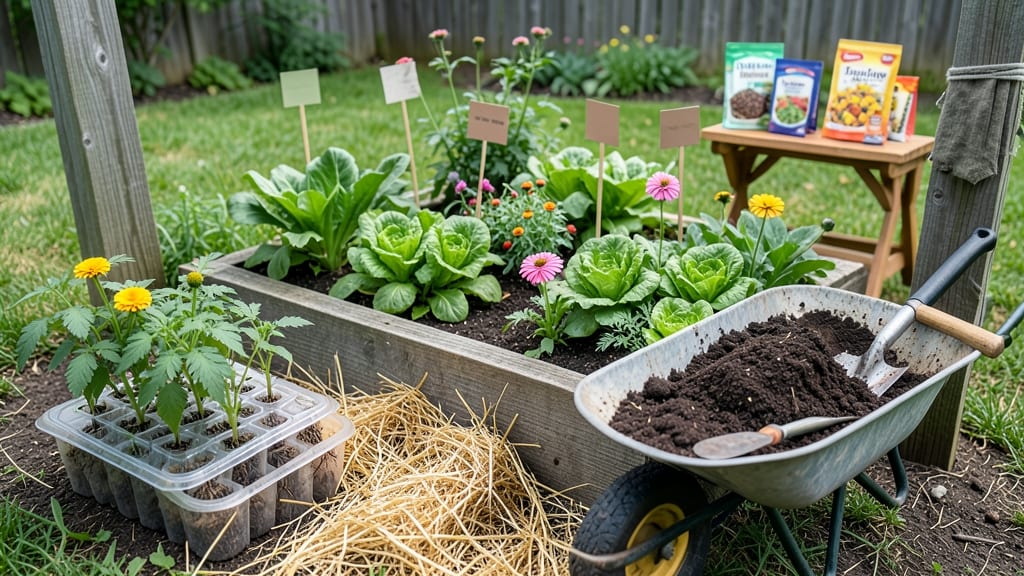
The best time to plant a garden in Ohio depends on soil warmth and frost-free dates — and getting it wrong can mean lost harvests or stunted plants.
Ohio gardeners know timing is everything—plant too early and face frost, too late and miss peak harvests. But with Ohio’s diverse microclimates, the perfect planting window varies dramatically by county, soil temperature, and crop type.
Southern Ohio’s milder winters mean you can start cool-season crops like peas or lettuce as early as mid-March, while northern regions often wait until late April to avoid surprise frosts. Then there’s the soil: tomatoes and peppers won’t thrive until the ground hits 60°F or warmer.
This guide breaks down Ohio’s planting zones, soil temperature rules, and a month-by-month schedule so you can time your garden like a pro — no more guesswork, just bigger yields and happier plants.
Ohio planting zones & frost-free dates by county (2024 guide)
Ohio spans USDA Hardiness Zones 5b through 6b, meaning frost dates vary wildly from southern counties like Lawrenceburg (Zone 6a) to northern regions like Sandusky (Zone 5b). These differences determine whether your tomato seeds survive a late April freeze or your peas bolt in July heat.
The average last frost date ranges from March 15 in Hamilton County to May 15 in Ashtabula County, creating a 6-week planting window shift across the state.
To pinpoint your exact timeline, check the NOAA Climate Data portal or your local OSU Extension office—they track real-time frost risk. For example, Franklin County (Columbus) typically sees its last frost April 15±5 days, while Lake County near Cleveland often waits until May 1.
Microclimates near lakes or valleys can add 1-2 weeks of frost risk, so always verify with local data.
Why this matters: Planting warm-season crops like peppers or cucumbers before soil hits 60°F risks stunted growth, while cool-season greens like kale or spinach can handle light frosts down to 25°F. Use these county-specific averages as your baseline, then adjust based on your yard’s exposure.
Pro Tip: Bookmark the Midwestern Regional Climate Center’s Frost/Freeze Tool (mrcc.illinois.edu) for county-specific 10-year averages. It shows historical frost dates plus probability maps—critical for planning succession crops or extending seasons with row covers.
Ohio County Frost-Free Timeline (2024 Averages)
| County | USDA Zone | Avg. Last Frost | Avg. First Frost | Frost-Free Days | Planting Window |
|---|---|---|---|---|---|
| Lawrence | 6a | March 15 | November 1 | 230 days | Early March–Late Oct |
| Franklin | 6a | April 15 | October 20 | 188 days | Mid-April–Mid-Oct |
| Cuyahoga | 5b | April 25 | October 10 | 168 days | Late April–Early Oct |
| Lake | 5b | May 1 | October 5 | 157 days | Early May–Early Oct |
| Ashtabula | 5b | May 15 | September 30 | 140 days | Mid-May–Late Sept |
*Data sourced from NOAA and OSU Extension (2024). Adjust for microclimates near lakes
Ohio’s soil temperature dictates when to plant—cold soil can stall germination while heat-loving crops wilt in chilly ground. Unlike air temperature, soil warmth varies by depth and location. For example, southern Ohio may hit 50°F in March, while northern counties wait until May. A simple $10 soil thermometer (like the ThermometerPro model) reveals the truth beneath your boots. Most Ohio gardeners rely on last frost dates, but soil temperature is the real game-changer. Peas thrive at 50°F, while tomatoes need 60°F+ to germinate. Sweet potatoes? They demand 70°F+—waiting for summer’s heat. Testing soil temperature at 2-inch depth (where seeds germinate) gives you the accurate green light for planting.Soil temperature rules for Ohio crops: when to plant based on heat requirements
Pro tip: Black plastic mulch warms soil 5–10°F faster than bare earth, giving you an earlier start for heat-loving crops. Lay it down 1–2 weeks before planting to jumpstart germination. For container gardening, soil heats up quicker—ideal for balcony tomatoes in urban Ohio.
Ohio’s microclimates create chaos for gardeners. A south-facing slope in Athens may be 10°F warmer than a valley in Cleveland on the same day. Use local weather stations (like Ohio State’s Extension network) to cross-reference soil temps with frost forecasts.
My go-to tool? The NOAA Climate Data app—it maps historical soil temps by county.
Don’t overlook fall planting—some crops (like kale and radishes) thrive in 50–60°F soil and can be sown as late as September. Test soil temps in late August to plan your autumn harvest.
For perennials, like asparagus, plant in early spring when soil hits 55°F—they’ll establish roots before summer’s heat arrives.
Remember: Patience pays off. Rushing tomato seeds into 55°F soil won’t speed up germination—it’ll just rot them. Stick to the soil temp rules, and your Ohio garden will reward you with bountiful, timely harvests. Happy planting! 🌱