I’ve always found solace in the dirt—whether it was sneaking tomatoes from my neighbor’s garden as a kid or helping my grandpa coax life out of stubborn seeds. This site is where I share the lessons I’ve learned from both successes and spectacular failures. My goal? To make gardening feel less like a chore and more like a conversation with the earth.
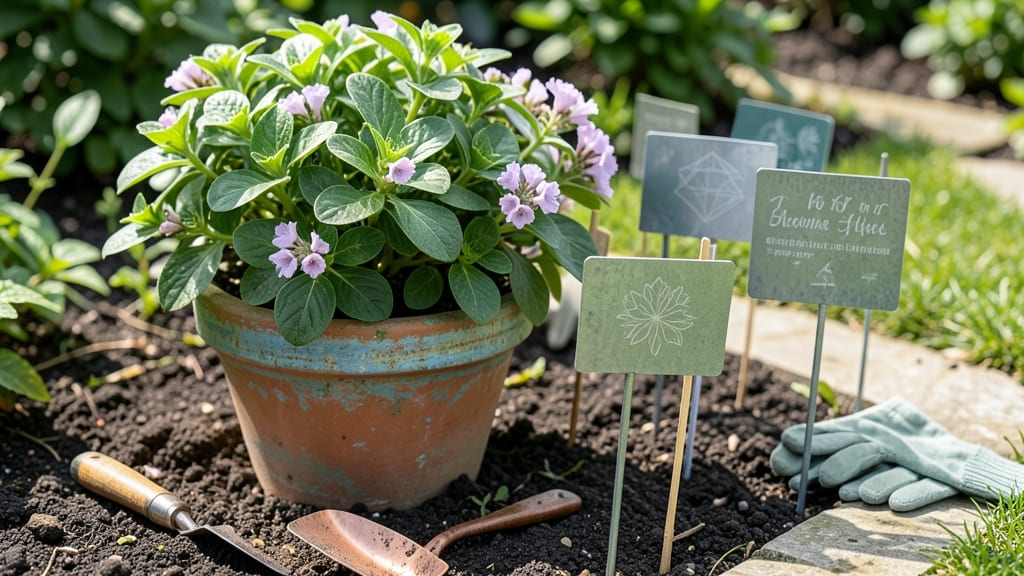
💥 Quick Answer Aluminum garden signs are the best choice for outdoor durability, resisting rust, fading, and warping while maintaining crisp visibility through rain, sun, and wind exposure. Their lightweight yet strong…
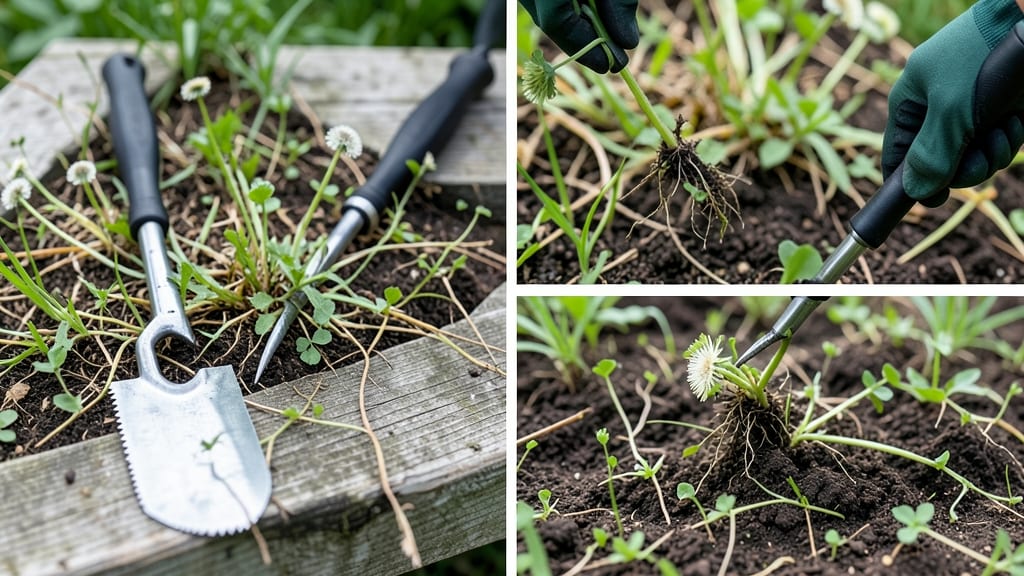
💥 Quick Answer A garden weasel is used for aerating soil, breaking up compacted earth, and creating furrows for planting seeds or bulbs, making it ideal for loosening garden beds without chemical treatments. A garden…
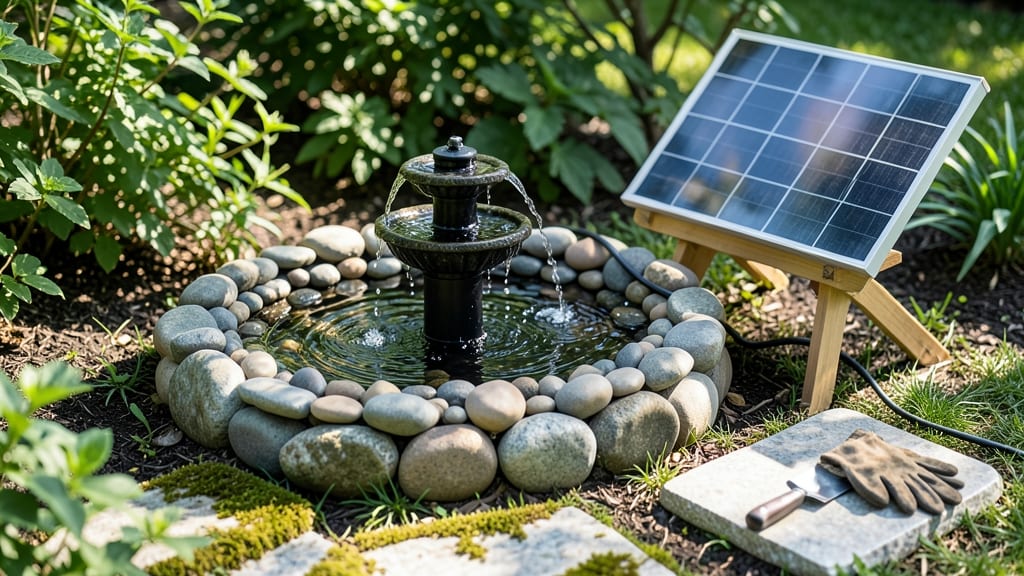
💥 Quick Answer A do-it-yourself garden fountain project is entirely achievable with basic plumbing skills and a few key supplies, including PVC pipes, a submersible pump, decorative stones, and waterproof sealant. Start…
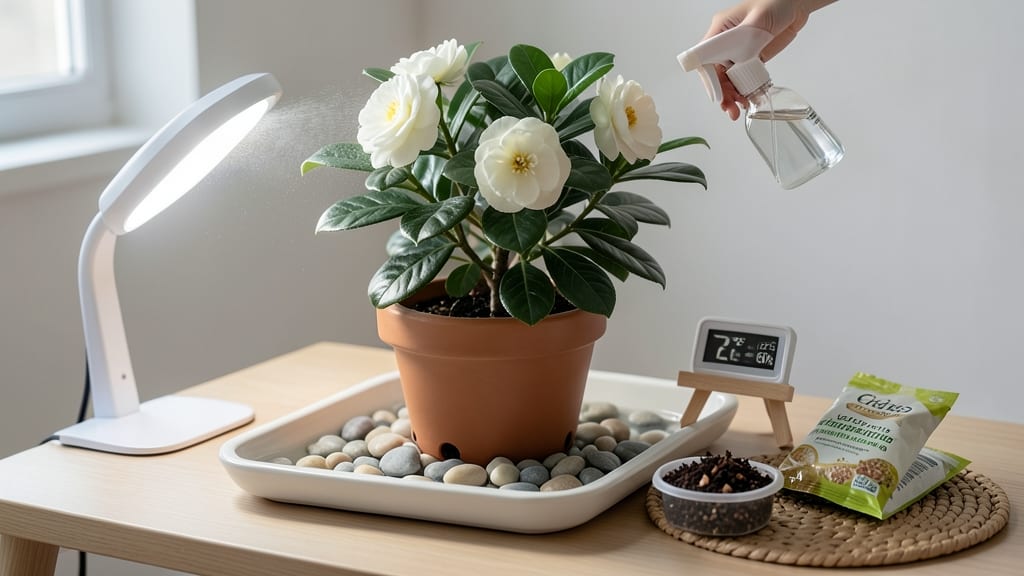
💥 Quick Answer Yes, gardenias can be grown indoors successfully by providing bright, indirect light, maintaining humidity levels above 60%, and keeping temperatures between 65-75°F. Use a well-draining potting mix and…
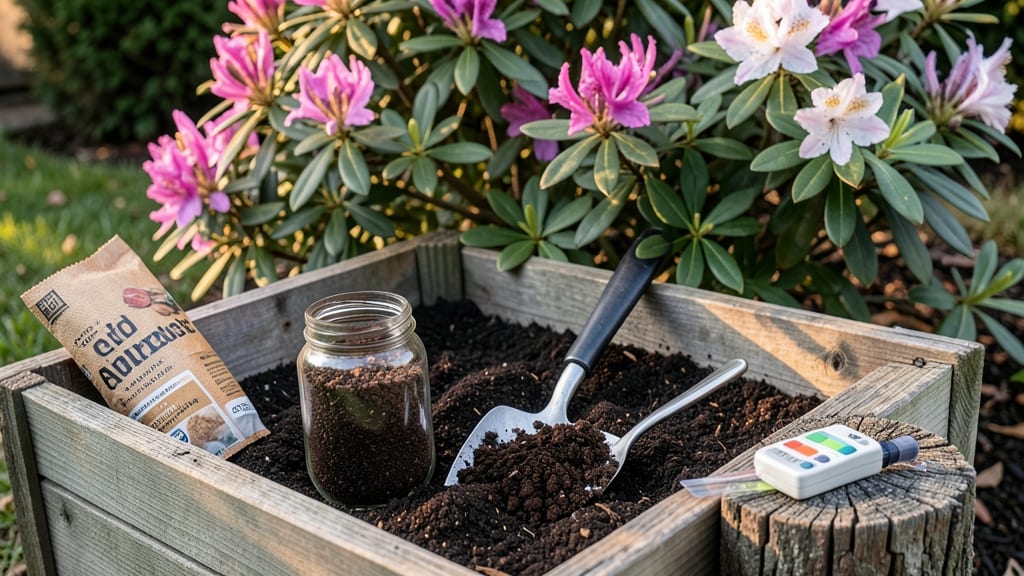
💥 Quick Answer Using coffee grounds in your garden boosts soil fertility by adding nitrogen and organic material, helping retain moisture and repel pests like slugs and cats, while supporting acid-loving plants such as…
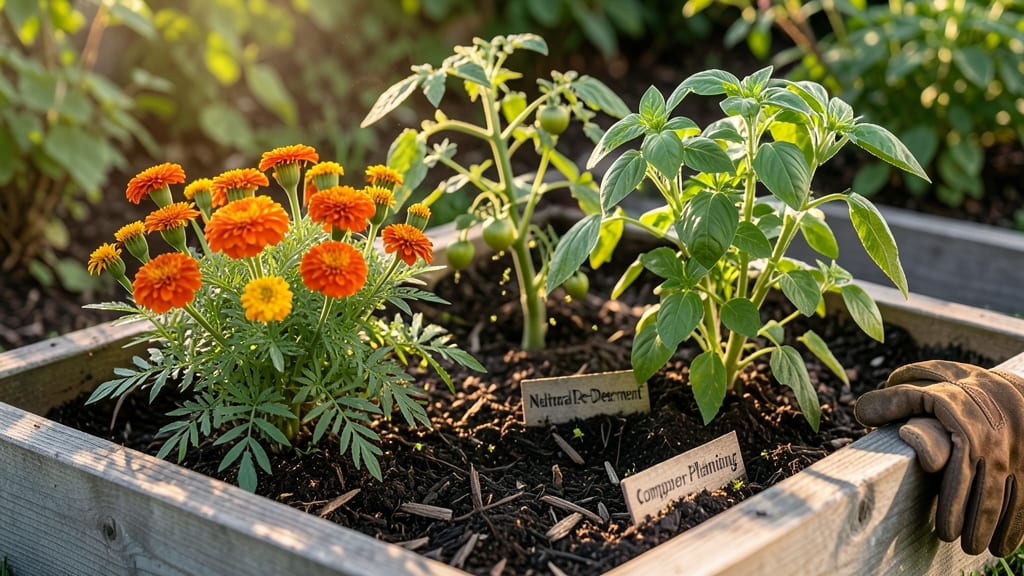
💥 Quick Answer People plant marigolds in their garden because these hardy flowers act as natural pest deterrents against nematodes, aphids, and mosquitoes through their deep roots and potent compounds. Their bright…
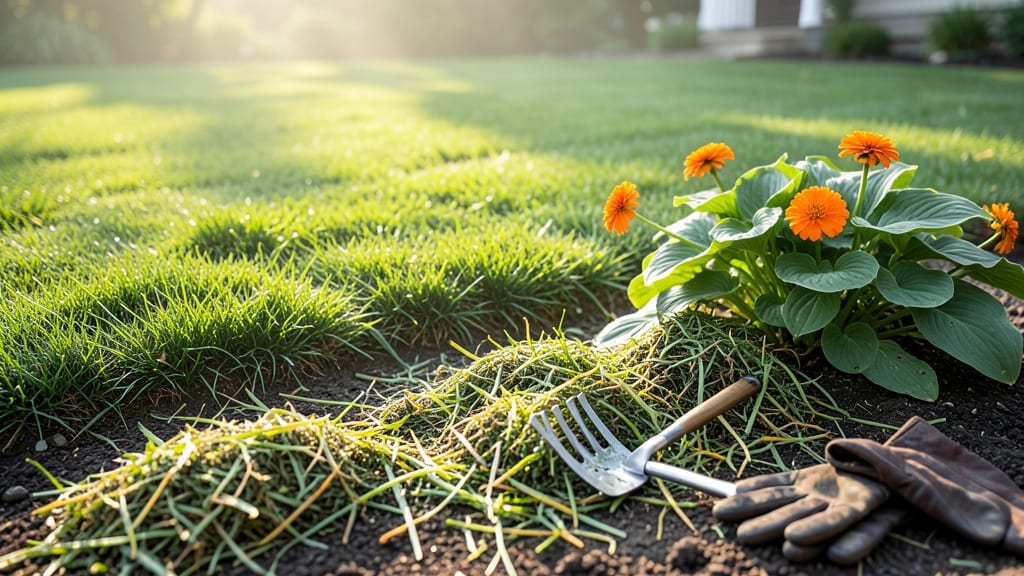
💥 Quick Answer Using grass clippings in garden fertilizes soil naturally by returning nitrogen and organic matter, while suppressing weeds and reducing mowing frequency when left on lawns or composted properly. Avoid…
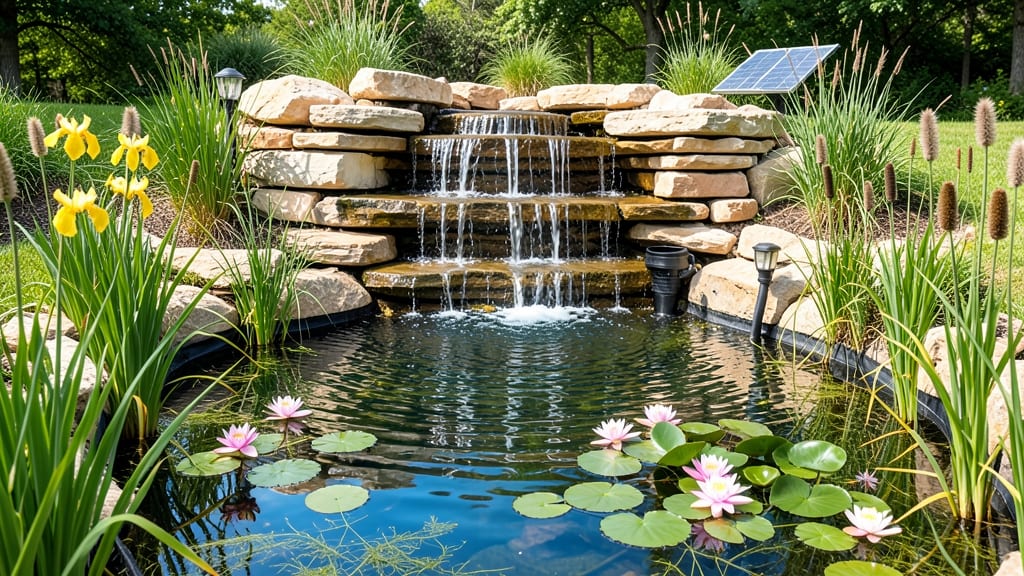
💥 Quick Answer Creating a garden pond waterfall enhances your outdoor space by adding movement and visual interest through strategic height, slope, and plant integration. Use a gradual incline, durable materials like…
💥 Quick Answer Yes, you can put diatomaceous earth in your garden as a natural pest control solution, but apply it only when dry and avoid overuse to prevent harming beneficial insects like bees and earthworms. Target…
💥 Quick Answer Gardening counts as good exercise because it activates core, leg, and arm muscles simultaneously, torches 200–400 calories per hour , and elevates your heart rate through continuous motion like bending…