I’ve always found solace in the dirt—whether it was sneaking tomatoes from my neighbor’s garden as a kid or helping my grandpa coax life out of stubborn seeds. This site is where I share the lessons I’ve learned from both successes and spectacular failures. My goal? To make gardening feel less like a chore and more like a conversation with the earth.
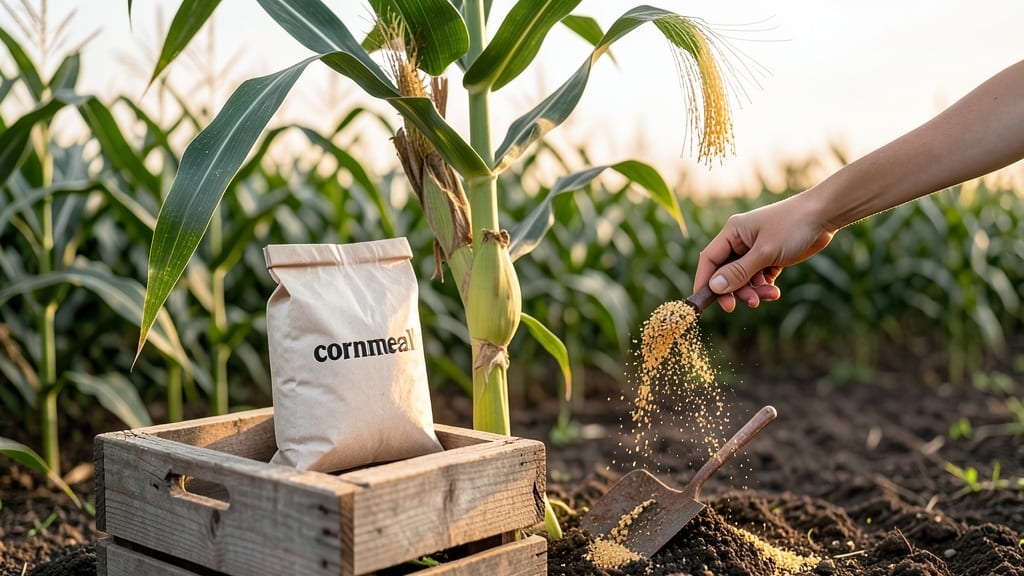
💥 Quick Answer Using cornmeal in your garden creates a natural barrier against slugs and pests while enhancing soil quality by breaking down into glucose, which disrupts insect feeding patterns and boosts beneficial…
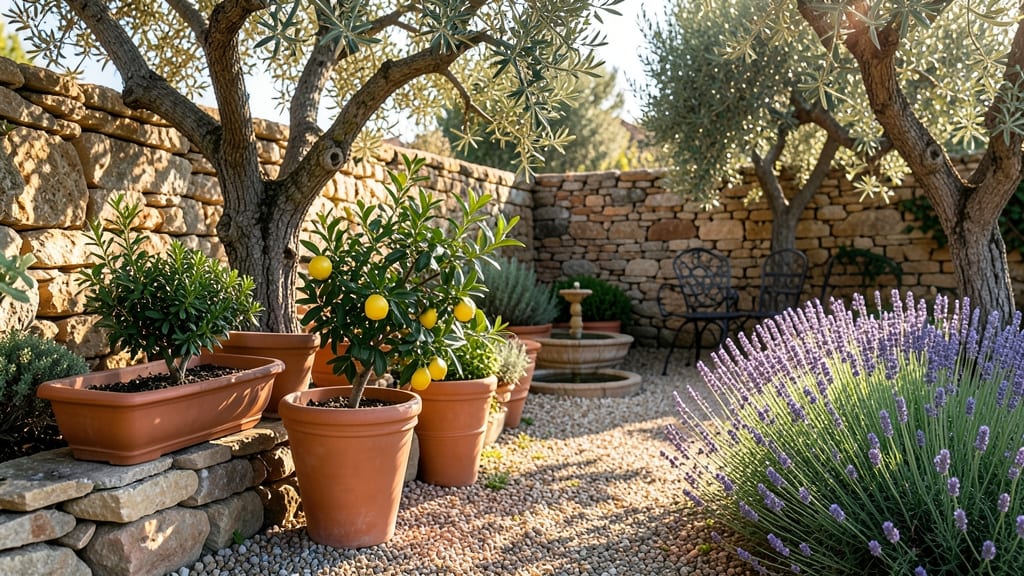
💥 Quick Answer Exploring gardens in Barcelona reveals hidden urban oases like Jardins de Joan Brossa , a playful mix of Mediterranean flora and avant-garde art, and Jardins del Pedral , a coastal retreat showcasing rare…
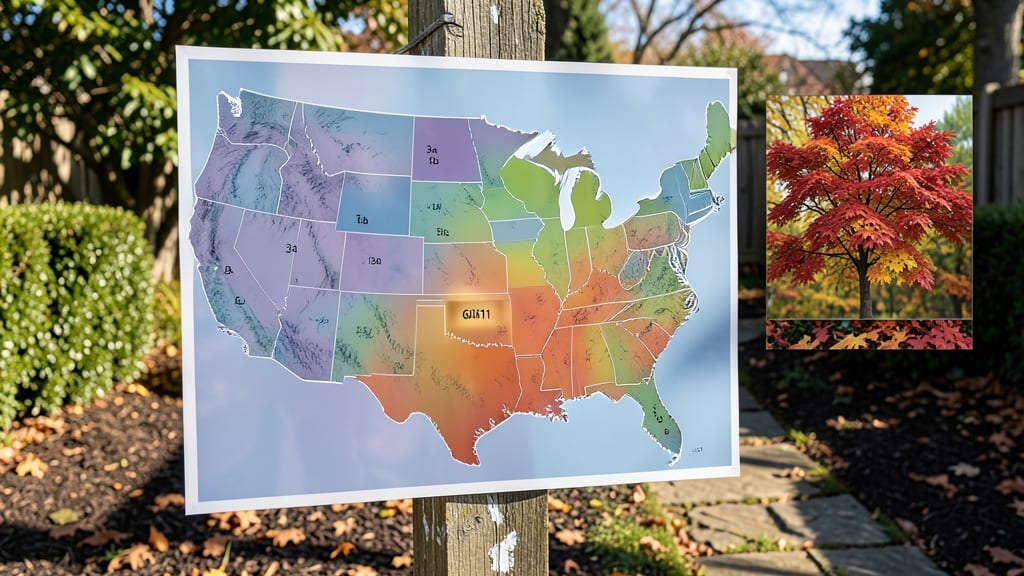
💥 Quick Answer Using your zip code to find your garden zone map shows the USDA Plant Hardiness Zone, which predicts winter survival for plants in your area. Simply input your zip code on the official USDA website or…
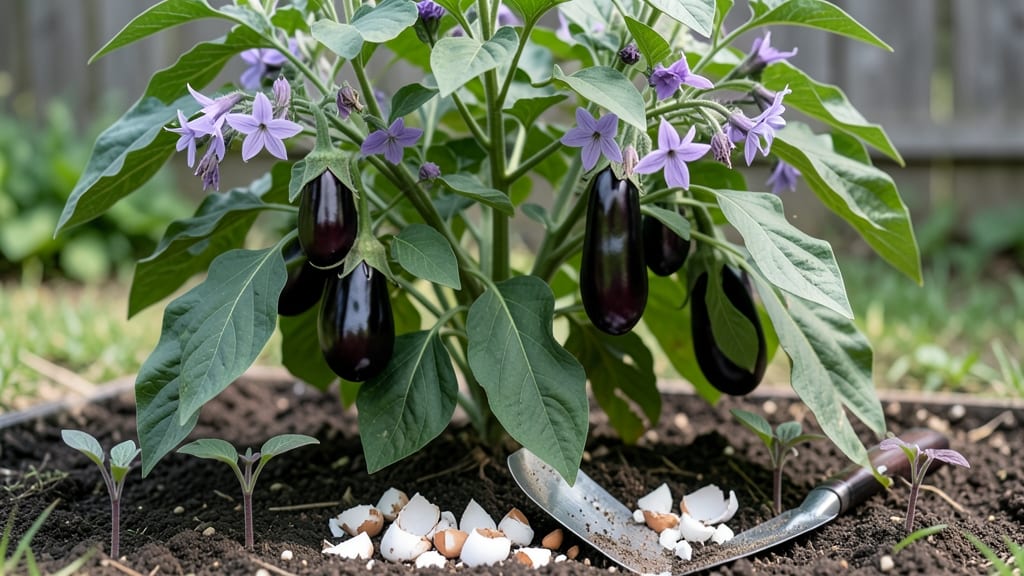
💥 Quick Answer Using egg shells in the garden enhances soil quality by supplying essential minerals like calcium and magnesium while naturally repelling pests such as slugs and snails. For best results, crush them into…
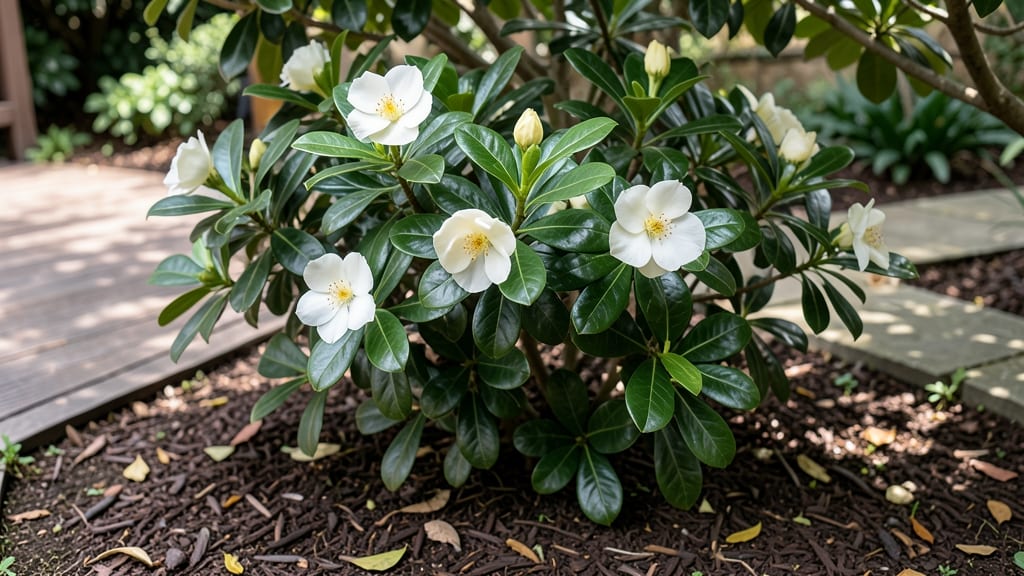
💥 Quick Answer Gardenias can grow successfully in Zone 5 with proper winter protection and microclimate adjustments, since these tropical plants need to stay above 20°F (-6°C) to prevent frost damage. Plant in sheltered…
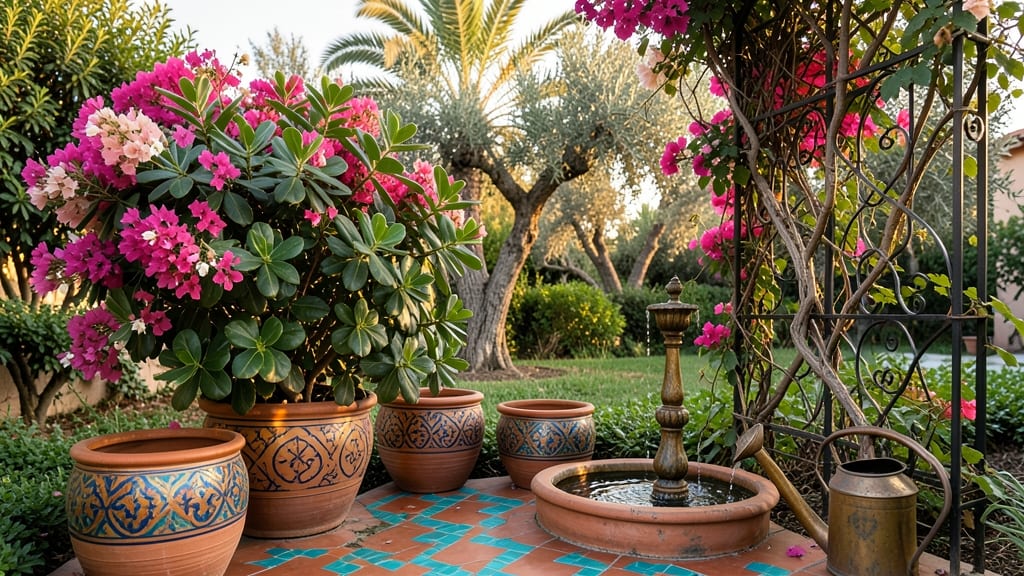
💥 Quick Answer The Gardens of Marrakech blend Moroccan Islamic geometry with native plants like argan trees and bougainvillea, crafting tranquil escapes from the city's chaos. Their water channels and shaded courtyards…
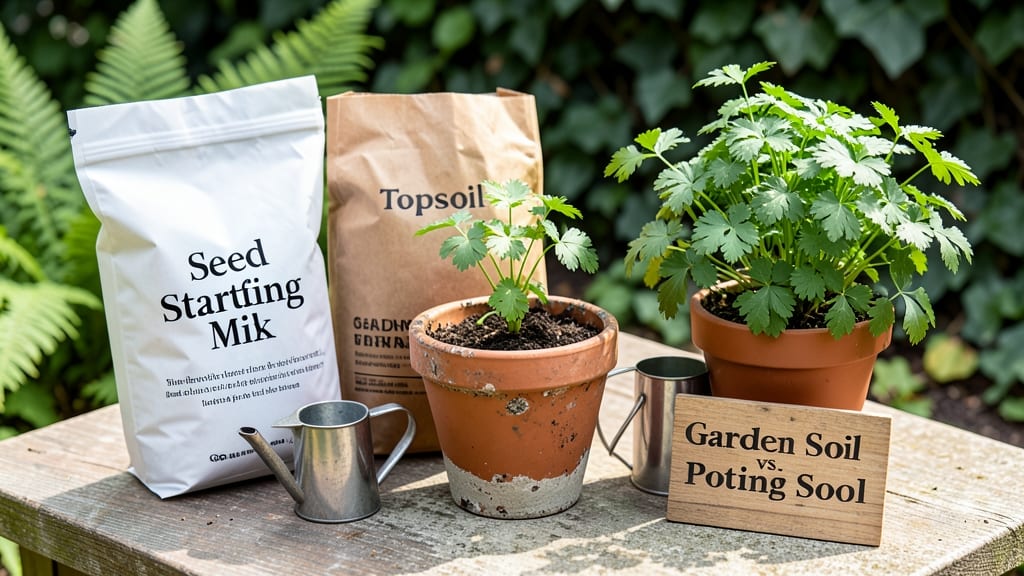
💥 Quick Answer You can use garden soil for potting plants only after amending it, as it compacts easily, drains poorly, and may harbor pests or diseases. Mix it with perlite, sand, or compost (1:1 ratio) to improve…
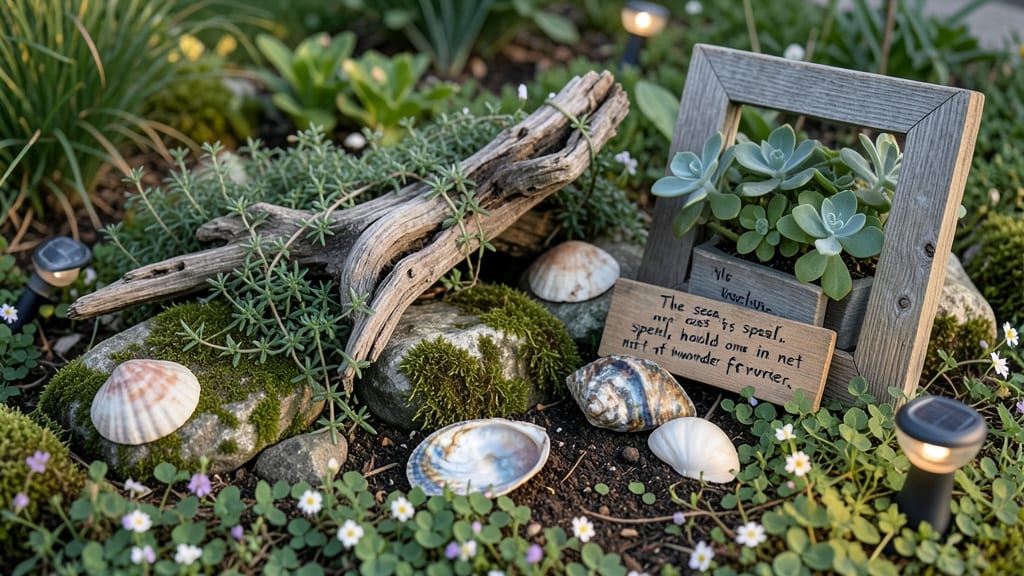
💥 Quick Answer Using seashells in your garden naturally raises soil alkalinity by introducing calcium carbonate, creates a natural barrier against slugs and snails, and functions as slow-release mulch that preserves…
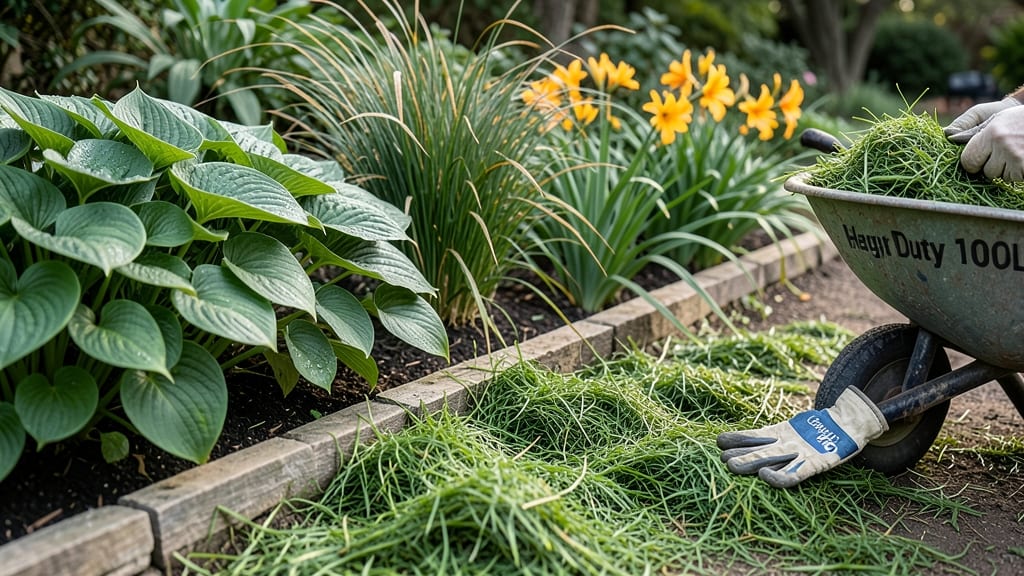
💥 Quick Answer Putting grass clippings in your garden acts as a natural nitrogen fertilizer that boosts plant growth and crowds out weeds, but you must apply them correctly to prevent compaction or fungal issues. Spread…