
Tools
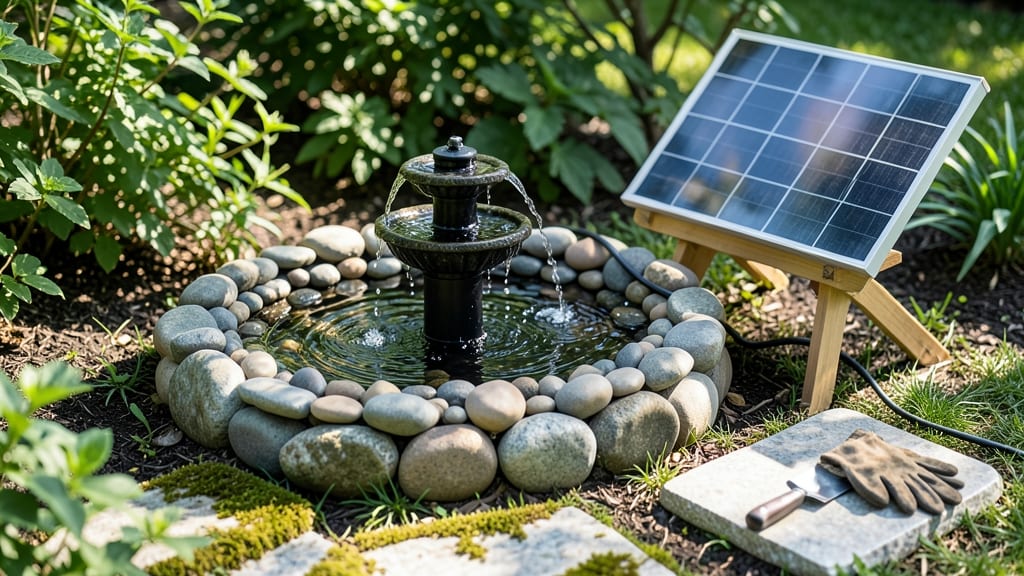
A do-it-yourself garden fountain project is entirely achievable with basic plumbing skills and a few key supplies, including PVC pipes, a submersible pump, decorative stones, and waterproof sealant. Start with a straightforward design, prioritize proper water circulation, and choose durable materials to ensure your fountain lasts seasons. Budget-friendly builds typically cost between $50 and $200, depending on the size and quality of components.
A DIY garden fountain transforms any outdoor space into a tranquil retreat, and the best part is that you don’t need advanced skills to create one. 🌿 The foundation of any successful project lies in selecting the right materials—like a submersible pump (the heart of your fountain) and weather-resistant stones (for both function and aesthetics).
I recommend starting small with a 1-2 gallon per minute pump for beginners, as it’s powerful enough for a modest setup but won’t break the bank.
The key to longevity is ensuring your fountain has a proper drainage system to prevent water buildup, which can damage your pump or create breeding grounds for mosquitoes. Plus, adding a few LED lights can turn your fountain into a stunning evening feature with minimal extra cost.
Before you begin, sketch a simple design on paper—this helps visualize water flow and where components will fit. Most beginners opt for a circular or rectangular basin filled with smooth river rocks, as they’re easy to source and create a natural look.
For the base, use a concrete slab or pavers to keep everything level, which prevents leaks and ensures stability. If you’re working with an uneven yard, a gravel foundation can help distribute weight evenly while allowing for drainage.
Remember, the pump should sit at the lowest point of your fountain to create the right water pressure for a steady, soothing flow.
💡 In This Article
- Essential Materials and Tools for DIY Garden Fountains
- Step-by-Step DIY Garden Fountain Assembly Guide for Beginners
Essential materials and tools for DIY garden fountains
At the core of any DIY garden fountain is the submersible pump, which circulates water and creates the soothing sound you crave.
For beginners, a 1-2 gallon per minute (GPM) pump is ideal—it’s powerful enough for a small setup (like a 12-18 inch basin) while staying budget-friendly at around $30-$50.
The pump’s voltage matters too: a 12V model is safer for outdoor use and requires a transformer, while 120V pumps are more powerful but need proper grounding. Always opt for pumps with built-in thermal protection to prevent overheating during hot summer days.
The basin itself can be as simple as a plastic or fiberglass container (starting at $10-$20) or as elegant as a pre-cast concrete or stone basin (costing $50-$150).
For a natural look, smooth river rocks or pebbles (sold in 50-pound bags for $15-$30) work perfectly—they not only enhance aesthetics but also help filter water naturally.
Don’t overlook the importance of PVC pipes or flexible tubing (typically ½-inch diameter for small fountains) to connect the pump to the basin. These cost just $5-$15 and come in various lengths to fit your design.
For waterproofing, use silicone sealant (about $10) around the pump’s entry point to prevent leaks, especially if your fountain sits in a damp area.
Safety is non-negotiable when dealing with water and electricity. Always use a ground fault circuit interrupter (GFCI) outlet for the pump’s power source—this shuts off electricity instantly if water comes into contact with the wiring.
For outdoor setups, consider a waterproof extension cord rated for outdoor use (around $20-$40). If you’re adding lighting, LED spotlights designed for wet locations (starting at $15-$30) will illuminate your fountain beautifully without the risk of electrical hazards.
Pro tip: Place the pump on a bed of sand or gravel inside the basin to elevate it slightly—this improves water flow and makes maintenance easier.
Cost-saving alternatives abound if you’re on a tight budget. Skip the pre-made basin and repurpose a large plastic storage bin (like a 20-gallon tote) painted with weather-resistant outdoor paint. For stones, check local waterways or construction sites—many offer free or cheap river rocks.
Even a used submersible pump from a thrift store or online marketplace can work if it’s in good condition. Just test it with water before installing to ensure it runs smoothly.
The key is balancing functionality with durability; for example, a cheap plastic basin might crack under freezing temperatures, while a concrete one lasts decades.
Where to source materials affordably? Home improvement stores like Home Depot or Lowe’s offer competitive prices on pumps, tubing, and sealants. For decorative stones, check local landscaping supply yards or even Facebook Marketplace for bulk deals.
If you’re handy, visit a scrap metal yard for cheap metal basins that can be painted or coated. Always measure twice and buy slightly extra tubing or stones—you’ll thank yourself later when you avoid last-minute trips to the store. 💫
One often-overlooked detail is the water flow path. If your design includes multiple tiers or spouts, use PVC reducers or elbows (around $2-$5 each) to direct water where you want it.
For a cascading effect, drill small holes in the PVC pipe and cover them with fine mesh screen to prevent clogs. This creates a gentle, even flow instead of a single strong stream.
Test your fountain’s flow by filling it with water and adjusting the pump’s height or tubing length until you achieve the desired effect—a steady, relaxing trickle sounds best to most listeners.