
Tools
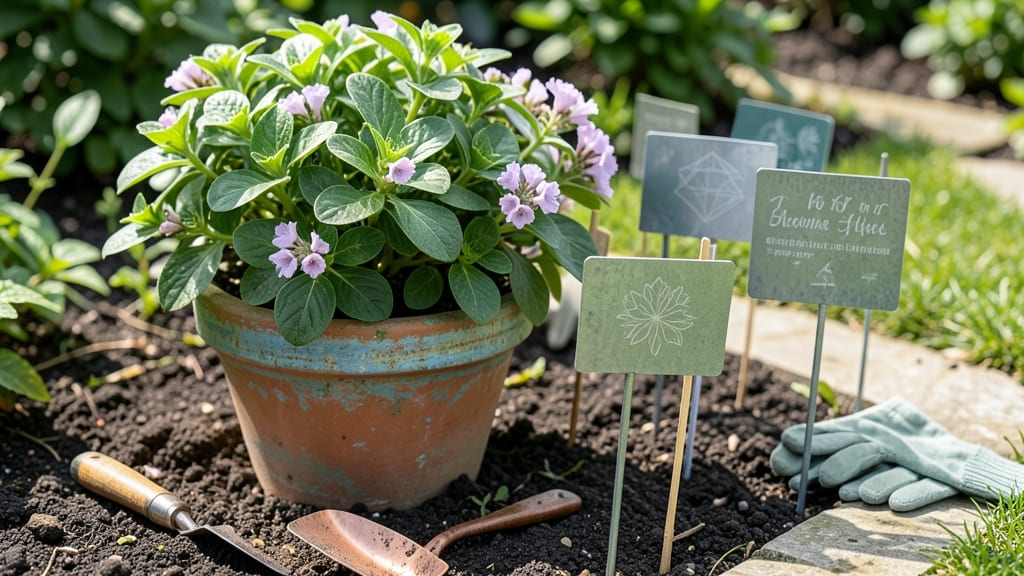
Aluminum garden signs are the best choice for outdoor durability, resisting rust, fading, and warping while maintaining crisp visibility through rain, sun, and wind exposure. Their lightweight yet strong construction makes them perfect for garden markers, property borders, and farm plots.
Aluminum's natural resistance to corrosion and UV rays means these signs won't degrade like wood or fade like plastic over time. 🔥 The material's lightweight strength also makes installation a breeze—no heavy lifting required—while still standing up to high winds and heavy rain.
For gardeners who want signs that last seasons without fading or warping, aluminum delivers unmatched reliability compared to other outdoor materials.
What sets aluminum apart is its ability to handle extreme temperatures without cracking or bending, making it ideal for both hot summers and cold winters.
The smooth surface also makes it easy to customize with paint or engraving, so you can create personalized labels for your vegetable beds or decorative signs for your garden pathways.
💡 In This Article
- Why Aluminum Outperforms Wood and Plastic in Outdoor Signs
- Top Uses for Aluminum Garden Signs in Landscaping and Farming
Why aluminum outperforms wood and plastic in outdoor signs
Aluminum's superiority in outdoor signs stems from its natural resistance to corrosion—a direct result of its protective oxide layer that forms instantly when exposed to air.
This aluminum oxide layer is only 0.000003 inches thick but acts as a barrier against moisture, preventing rust that would otherwise destroy wood or steel signs. Unlike iron, aluminum doesn't corrode when wet; instead, it self-repairs minor scratches by regenerating this protective layer. 🔥
The material's lightweight strength (with a tensile strength of 13,000-17,000 psi) allows for thin yet rigid designs that won't warp under temperature fluctuations like wood (which expands 5-10% when wet) or crack like brittle plastics.
Aluminum's thermal conductivity also prevents heat buildup that could warp vinyl signs in direct sunlight. For comparison, a 1/16-inch thick aluminum sign can handle 100 mph winds without bending, while wood signs of similar thickness would splinter.
UV stability is another game-changer: aluminum reflects 90% of UV radiation instead of absorbing it like wood or plastic, preventing color fading or degradation.
This means your garden labels will maintain their crisp appearance for 10+ years without sun damage, unlike wood that grays in 1-2 years or vinyl that becomes brittle after 3-5 years.
The material's low thermal expansion coefficient (just 12.8 µm/m·°C) also means signs won't visibly distort when temperatures swing from -40°F to 120°F, a common issue with other metals.
For gardeners concerned about maintenance, aluminum's smooth surface resists mold, mildew, and insect damage that plague wood signs. The material's non-porous nature prevents water absorption, eliminating the need for sealants that degrade over time.
Even in coastal areas where salt air accelerates corrosion, aluminum signs maintain their integrity because saltwater doesn't penetrate the oxide layer like it would with steel or iron. This chemical resistance makes aluminum the only material that truly delivers "set it and forget it" durability in outdoor environments. ✨
Consider the cost-performance ratio: While aluminum signs cost 20-30% more upfront than plastic, their 20-year+ lifespan makes them 50% cheaper over time compared to replacing wood or vinyl signs every few years.
The material's recyclability (aluminum can be endlessly recycled without losing quality) adds to its sustainability advantage over single-use plastic alternatives. For gardeners who want signs that double as long-term investments rather than seasonal decor, aluminum's combination of strength, stability, and longevity is simply unmatched.
What most people overlook is how aluminum's reflective properties actually improve visibility in gardens. The material's 85% light reflectivity makes text and designs stand out against foliage, while its low glare (compared to shiny metals like stainless steel) prevents eye strain during daylight hours.
This optical advantage is particularly valuable for vegetable garden markers that need to be read from multiple angles in bright sunlight. The material's ability to maintain these visual qualities through all seasons is what truly sets it apart from every other outdoor sign material available. 💫