
Tools
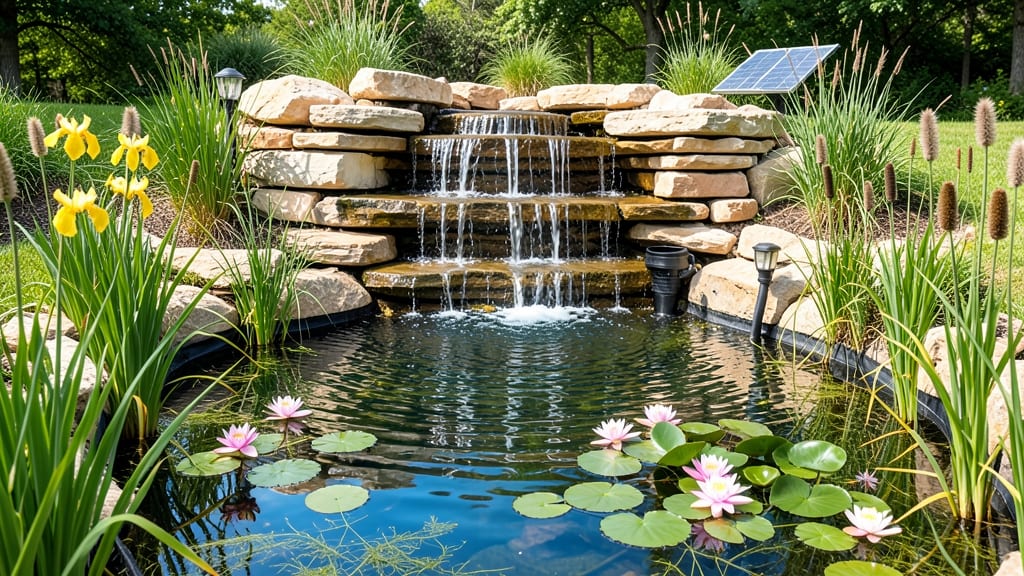
Creating a garden pond waterfall enhances your outdoor space by adding movement and visual interest through strategic height, slope, and plant integration. Use a gradual incline, durable materials like natural stone or preformed liners, and aquatic plants to ensure both beauty and ecological balance.
Designing a waterfall for your garden pond isn't just about aesthetics—it's about creating a self-sustaining ecosystem. 🌿 A well-placed waterfall improves oxygen circulation, which keeps your pond water fresh and clear while supporting fish and plant life.
The right slope (typically a 1:2 ratio) ensures smooth water flow, reducing erosion and noise while adding that soothing sound of moving water. I always recommend starting with a gentle gradient—this prevents sediment buildup and makes maintenance easier.
Plus, native aquatic plants like water lilies or rushes not only stabilize the structure but also add vibrant color and texture to your design.
For beginners, the key is simplicity. Begin with a level base and work upward, using layered stones or preformed liners to create natural tiers. A submersible pump with adjustable flow rates gives you control over the water movement, while a skimmer box keeps debris out of your pond.
Pro tip: Place your waterfall on the shady side of the pond to reduce algae growth—this simple adjustment can save you hours of cleaning later. And don't forget to test your setup before filling completely to catch any leaks or uneven spots.
💡 In This Article
- How Waterfall Placement Affects Pond Ecosystem and Flow
- Step-by-Step Waterfall Construction for Beginners
How waterfall placement affects pond ecosystem and flow
The placement of your waterfall isn't just about looks—it directly impacts your pond's health. When water cascades down, it creates turbulence that injects oxygen into the water, a process called aeration. This is critical because stagnant water leads to low oxygen levels, which can suffocate fish and promote harmful bacteria.
A well-positioned waterfall can increase oxygen levels by up to 30% compared to a still pond, creating a thriving ecosystem for koi or goldfish. The ideal placement is on the deepest side of the pond, where the waterfall's flow naturally circulates and refreshes the entire water body.
The slope of your waterfall determines both the visual appeal and functional efficiency. A 1:2 ratio (1 unit of vertical drop to 2 units of horizontal distance) is ideal—this creates a natural, gradual flow that minimizes erosion while producing that satisfying "shhh" sound.
Steeper slopes (like 1:1) may look dramatic but can cause sediment buildup and louder noise, while flatter slopes (1:3+) reduce oxygenation.
You'll also want to angle the waterfall toward the pond's center to maximize circulation, preventing dead zones where algae might thrive. 🌊 The right slope also affects water pressure—too steep, and you'll need a more powerful pump to maintain flow.
Water volume plays a surprising role in both aesthetics and acoustics. A gentle, steady flow (about 10-20 gallons per hour) creates a soothing ambiance, while a stronger cascade (30+ gallons per hour) adds visual drama but may overwhelm smaller gardens.
The volume also influences habitat creation—smaller streams attract dragonflies and damselflies, while larger falls support amphibians like frogs. Pro tip: Use smooth, flat stones (like slate or flagstone) to create water channels, as rough surfaces can disrupt flow and create unsightly drips.
The texture of the stones also affects the sound—smooth surfaces produce a softer "whoosh," while jagged edges create a more rustic, natural noise.
Ecological harmony comes down to three key factors: placement, slope, and plant integration. Position your waterfall to create a natural water cycle—water should flow from the top of the pond, through the waterfall, and back into the deep end.
This movement prevents stratification (layering of warm/cold water) that can lead to toxic algae blooms. Native plants like water hyacinth or horsetail help filter nutrients from the water, while marginal plants (like cattails) stabilize the waterfall's base and prevent erosion.
The roots of these plants also create microhabitats for beneficial insects and microorganisms.
Don't overlook the psychological benefits of waterfall placement. A waterfall positioned near seating areas creates a focal point that draws the eye and masks unwanted garden noises.
Studies show that the sound of flowing water reduces stress by up to 40%—the key is placing it where you'll hear it most during relaxation. For maximum impact, aim for a waterfall height of 12-24 inches, which balances visual appeal with practicality.
Taller falls require stronger pumps and more maintenance, while shorter ones may not create enough flow for proper aeration. 💫 The sweet spot is often around 18 inches, offering both beauty and functionality.
One common mistake is placing the waterfall too close to trees or shrubs. Falling leaves and debris can clog pumps and create unsightly buildup. Always leave at least 3 feet of clearance around the waterfall's base for easy maintenance.
If you're working with an existing pond, consider adding a prefilter sponge near the waterfall inlet to catch debris before it enters the pump system. This small addition can extend the life of your equipment by years and reduce the time you spend cleaning.
The right placement transforms your waterfall from a decorative feature into the heart of your pond's ecosystem.