
Pests
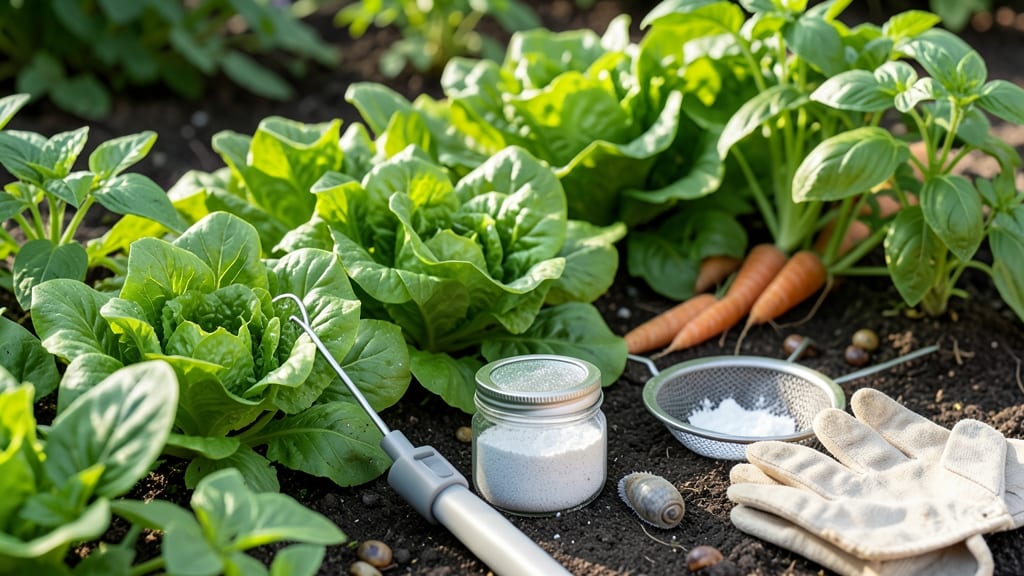
Yes, you can put diatomaceous earth in your garden as a natural pest control solution, but apply it only when dry and avoid overuse to prevent harming beneficial insects like bees and earthworms. Target soil pests directly for best results.
Diatomaceous earth (DE) is a fine, powdery substance made from fossilized algae that works by dehydrating soft-bodied pests like slugs, ants, and aphids when they come into contact with it. 🔥 The key is applying it correctly—lightly dusting around plants or mixing it into the soil surface (about 1/4 cup per 10 square feet) during dry conditions.
Since DE loses effectiveness when wet, reapply after rain or watering.
What sets DE apart is its precision—it targets pests without introducing harsh chemicals to your garden ecosystem. However, I always recommend spot-treating problem areas rather than blanket coverage, as excessive use can disrupt soil microbes over time.
For best results, apply in the early morning or evening when pests are most active.
💡 In This Article
- How Diatomaceous Earth Works Against Garden Pests
- Best Practices for Applying DE in Your Garden
How diatomaceous earth works against garden pests
Diatomaceous earth (DE) functions as a natural insecticide through its microscopic structure. Each particle is made of fossilized algae with sharp, jagged edges that measure about 1-50 microns—small enough to pierce the exoskeletons of soft-bodied pests like ants, slugs, and aphids.
When these insects crawl across treated surfaces, the particles create tiny cuts in their waxy outer layers, leading to rapid dehydration. This process is similar to how salt draws moisture from food, but DE works even faster—pests typically die within 48 hours of exposure.
The effectiveness of DE depends on its food-grade quality, which ensures it's safe for gardens. Unlike chemical pesticides, DE doesn't kill pests by poisoning them—it physically disrupts their protective barriers. This makes it particularly useful against crawling insects like earwigs, cutworms, and even some types of grubs.
However, it's less effective against flying insects or those with hard shells, like beetles, because they don't come into direct contact with the soil or plant surfaces where DE is applied. 🔥
What makes DE unique is its selectivity—it targets pests without harming the plants themselves. The powder adheres to the waxy cuticles of insects but doesn't stick to the smoother surfaces of leaves or stems.
This precision is why gardeners can apply DE directly around plant bases or along garden edges without worrying about phytotoxicity. The particles also break down naturally over time, becoming part of the soil's mineral content rather than leaving harmful residues.
For best results, focus on areas where pests are most active, such as along garden borders, under mulch, or near water sources. DE works best when applied as a thin, even layer—about 1/4 to 1/2 inch deep—because thicker applications can clump and lose effectiveness.
The powder's abrasive nature also makes it useful for controlling pests in greenhouses or potted plants, where it can be dusted lightly on soil surfaces to create a protective barrier.
One of the most fascinating aspects of DE is how it interacts with different pest types. For example, slugs and snails leave a visible trail of slime, which makes them highly susceptible to DE. When they crawl over treated areas, the powder sticks to their bodies, accelerating dehydration.
In contrast, ants are drawn to DE because they mistake it for food, leading them to carry it back to their colonies—effectively eliminating the entire nest over time. This dual-action approach makes DE one of the most versatile natural pest control tools available. ✨