
Fertilization
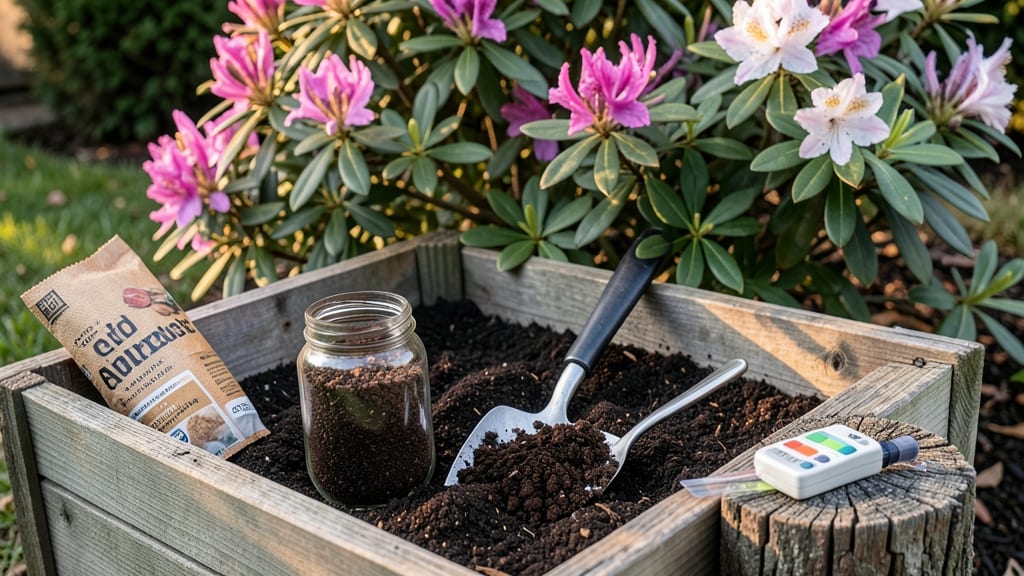
Using coffee grounds in your garden boosts soil fertility by adding nitrogen and organic material, helping retain moisture and repel pests like slugs and cats, while supporting acid-loving plants such as azaleas and blueberries. Use them sparingly to prevent soil acidity from becoming too intense.
Coffee grounds work as a natural soil amendment because they're rich in nitrogen—a key nutrient for leafy growth—and they attract beneficial microbes that break down organic matter. 🌱 The gritty texture also improves soil aeration, though they break down quickly, so you'll need to reapply every few months.
I've found that mixing them into compost piles or sprinkling them around acid-loving plants creates a slow-release fertilizer effect.
For best results, combine coffee grounds with other organic materials like grass clippings or leaves to balance their acidity. Avoid piling them directly on plant roots, as this can create too much acidity for sensitive varieties.
Instead, work them into the top 2-3 inches of soil or use them as a mulch layer around plants.
💡 In This Article
- How Coffee Grounds Enhance Soil Health and Composition
- Best Plants for Coffee Grounds and Application Tips
How coffee grounds enhance soil health and composition
Coffee grounds act like a nutrient powerhouse for your garden because they're packed with 2% nitrogen—a critical nutrient for leafy growth. When they decompose, they release this nitrogen slowly, feeding your plants over time.
The grounds also contain trace minerals like potassium and phosphorus, which support root development and flowering. What's fascinating is how they stimulate microbial activity: the organic matter attracts beneficial bacteria and fungi that break down the grounds into plant-available nutrients.
The gritty texture of coffee grounds improves soil aeration by creating tiny air pockets, which helps roots breathe better. This is especially helpful in dense, clay-heavy soils where water and oxygen struggle to penetrate.
However, the grounds decompose quickly—typically within 2-4 weeks—so their benefits are short-lived unless replenished. 🌱 Their high carbon content also makes them an excellent "brown" ingredient in compost piles, where they balance nitrogen-rich "greens" like grass clippings.
Here's where the pH factor comes into play: fresh coffee grounds are acidic, with a pH around 4.85-6.25, similar to black coffee. While this benefits acid-loving plants like blueberries or hydrangeas, it can harm vegetables that prefer neutral soil (pH 6.0-7.0).
The key is to use them in moderation—never more than 20-30% of your compost mix—to avoid over-acidifying the soil. Over time, as they decompose, their pH neutralizes somewhat, but they'll never become alkaline.
One often-overlooked benefit is their pest-repelling properties. The strong aroma deters slugs, snails, and even cats, which are drawn to the smell of coffee. I've noticed fewer slug trails in my garden beds after adding a layer of grounds around hostas and ferns.
The caffeine in coffee grounds also acts as a natural fungicide, suppressing harmful pathogens like Phytophthora, which causes root rot in many plants.
To maximize their benefits, consider pre-composting the grounds for 1-2 months before applying directly to soil. This allows the nitrogen to stabilize and reduces the risk of sudden pH spikes.
For immediate use, mix them into the top 2-3 inches of soil or spread them as a mulch layer, keeping them 1-2 inches away from plant stems to prevent root burn from concentrated acidity.
Think of coffee grounds as a multi-purpose soil amendment: they feed your plants, improve soil structure, and act as a natural pest deterrent—all while giving your garden that rich, earthy aroma. Just remember, they're not a standalone solution but a valuable addition to your overall soil care routine. 💫