
Tools
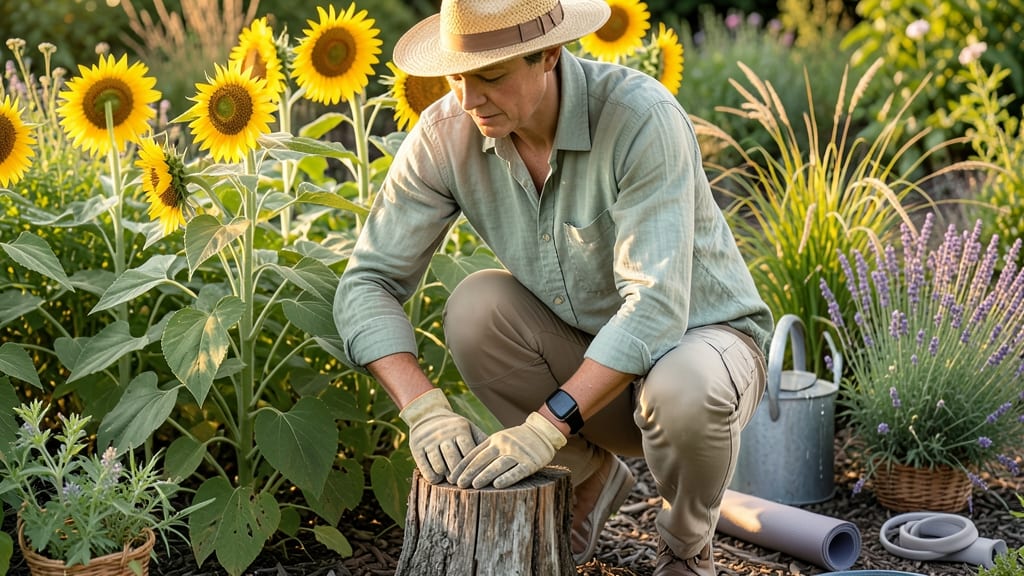
Gardening counts as good exercise because it activates core, leg, and arm muscles simultaneously, torches 200–400 calories per hour, and elevates your heart rate through continuous motion like bending, lifting, and reaching.
This isn't just light yard work—gardening transforms your garden into a full-body gym. 🌱 The repetitive motions of planting, pulling weeds, and hauling soil engage your arms, legs, and back while the bending and twisting movements strengthen your core.
For example, shoveling heavy bags of mulch can work your shoulders and upper back as effectively as dumbbell lifts. Even light tasks like pruning improve hand-eye coordination and fine motor skills, making gardening a surprisingly comprehensive workout.
What really sets gardening apart is how it sneaks in cardio without feeling like a gym session. Moving from bed to kneeling to standing repeatedly keeps your heart rate elevated, especially when you're working for 30+ minutes.
Pair this with tools like ergonomic kneelers or weighted bags, and you've got a low-impact routine that builds endurance while protecting your joints. The best part? You're getting stronger while growing something beautiful.
💡 In This Article
- How Gardening Works Your Body: Muscle Activation and Calorie Burn
- Maximizing Gardening as a Full-Body Workout
How gardening works your body: muscle activation and calorie burn
Gardening turns your backyard into a functional gym by engaging muscles you might not realize you're using. When you dig, your quadriceps, hamstrings, and glutes work together to stabilize your stance and lift the soil, while your core muscles brace against the twisting motions.
Even light tasks like pulling weeds activate your forearms and shoulders—similar to how resistance bands challenge your upper body.
Studies show that 30 minutes of moderate gardening can burn 150–250 calories, while more intense activities like hauling heavy bags of mulch can push that to 300–400 calories, comparable to a brisk walk or light jog.
The key to understanding gardening's workout value lies in its compound movements.
Unlike isolated gym exercises, gardening combines actions that mimic functional fitness: squatting to plant seeds engages your legs and hips, while reaching overhead to prune strengthens your shoulders and upper back. 🌱 For example, using a shovel or trowel requires grip strength (like a forearm curl) and shoulder stability (similar to lateral raises).
The repetitive nature of these movements also improves muscle endurance over time, making gardening a sustainable way to build strength without equipment.
What makes gardening unique is how it blends cardio and resistance training naturally. The continuous motion of bending, standing, and reaching keeps your heart rate elevated, while the resistance from tools and soil provides progressive overload—just like lifting weights.
A 2020 study in the Journal of Physical Activity and Health found that gardeners had 12% lower risk of heart disease than non-gardeners, likely due to this combination of aerobic and strength benefits.
Even 10-minute sessions can spike your heart rate into the moderate-intensity zone (50–70% of max heart rate), depending on the effort.
Intensity plays a huge role in how much you burn. Light gardening (like deadheading flowers) might feel gentle, but it still engages muscles and burns 100–150 calories per hour. However, tasks like digging trenches or moving wheelbarrows can double that calorie burn by increasing muscle recruitment and heart rate.
The American Heart Association classifies gardening as a moderate-intensity activity, meaning it can help meet weekly exercise recommendations when done consistently. For context, 45 minutes of gardening equals roughly 15 minutes on a treadmill in terms of calorie expenditure.
Don't overlook the metabolic benefits either. Gardening's intermittent bursts of effort (like lifting a heavy pot) followed by recovery periods (walking to the next plant) create a fat-burning effect similar to interval training.
This afterburn effect (EPOC) means your body continues burning calories post-gardening, potentially adding 10–20% more calories burned in the hours after you finish. The more varied your gardening tasks, the more muscle groups you activate—think of it as a circuit-style workout with real-world applications.
For those tracking fitness, gardening offers a low-impact alternative to high-impact cardio. Unlike running, which can stress joints, gardening's varied movements distribute impact across your body, making it ideal for all fitness levels. Even 15 minutes of weeding can improve flexibility and coordination, while heavier tasks build functional strength.
The best part? You're not just exercising—you're growing something tangible, which adds a mental health boost by reducing stress and increasing connection to nature.