
Tools
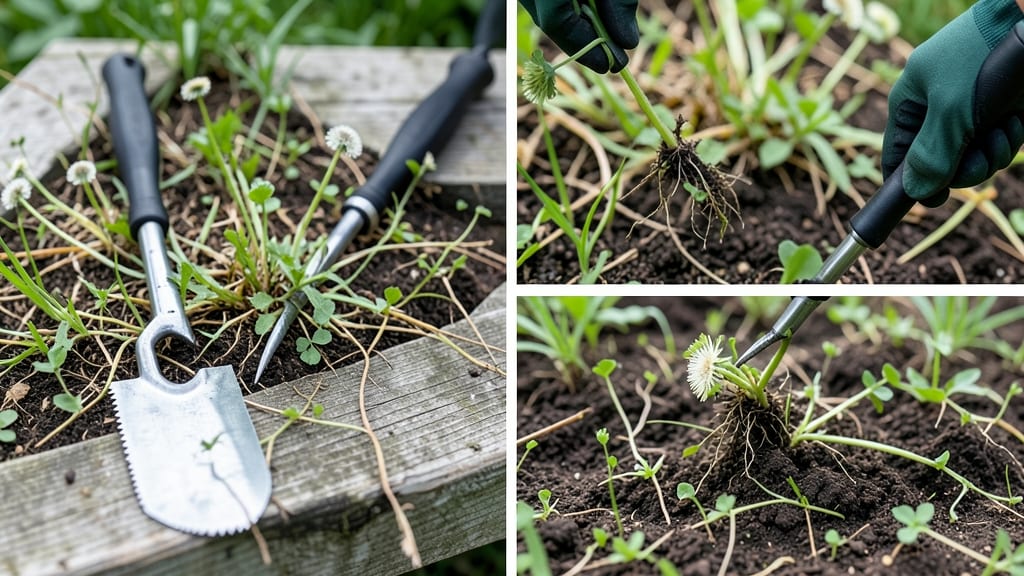
A garden weasel is used for aerating soil, breaking up compacted earth, and creating furrows for planting seeds or bulbs, making it ideal for loosening garden beds without chemical treatments.
A garden weasel transforms hard, compacted soil into loose, workable earth by piercing deep with its sharp tines.
This process mimics natural root penetration, allowing water and nutrients to reach deeper layers while preventing surface crusting. 🌱 Unlike manual tools that only scratch the surface, a weasel's weighted design delivers consistent pressure, making it perfect for large garden beds or lawns where aeration is critical.
I've found it especially effective for preparing beds for perennials or breaking up hardpan layers that resist other tools.
Beyond aeration, this versatile tool creates precise furrows for seed planting or transplanting, helping roots establish faster. Its lightweight design means you can work longer without fatigue, and the adjustable handles let you customize depth for different soil types.
Whether you're prepping a new garden plot or maintaining existing beds, a garden weasel combines efficiency with soil health benefits that manual methods simply can't match.
💡 In This Article
- How Garden Weasels Improve Soil Health
- Best Uses for a Garden Weasel in Planting and Maintenance
How garden weasels improve soil health
The garden weasel works by driving its sharp, pointed tines deep into the soil with precise mechanical force. Unlike a fork or tiller that merely scratches the surface, a weasel's weighted design delivers consistent pressure to penetrate 6-12 inches deep, breaking up compacted layers that restrict root growth.
This process creates vertical channels that improve oxygen circulation—critical for microbial activity that decomposes organic matter into plant nutrients.
What makes this tool unique is its ability to target hardpan layers, those dense soil horizons often found 4-8 inches below the surface. These layers form from natural compression or heavy foot traffic, creating a barrier that roots can't penetrate.
A garden weasel's tines can shatter these layers, allowing roots to explore deeper soil profiles where moisture and nutrients accumulate. Studies show that aerated soil can increase water infiltration by up to 30%, reducing runoff and improving drought resilience.
Compare this to manual tools: a garden fork might loosen the top 4 inches but requires constant repositioning, while a tiller can disrupt soil structure by overworking it.
The weasel's design preserves soil aggregates while creating channels—similar to how earthworms naturally aerate soil, but with 10x greater coverage per minute. This makes it ideal for lawns, vegetable beds, or perennial gardens where maintaining soil structure is key.
The mechanical advantage comes from the tool's weight distribution. Most models weigh 5-10 pounds, with the mass concentrated on the tines to maximize penetration force. When you drive it downward with controlled pressure, the tines split compacted soil without the lateral disruption of tilling.
This targeted approach prevents soil compaction from foot traffic while maintaining the soil's natural porosity.
For best results, work when soil moisture is ideal—neither too dry nor saturated. The optimal moisture level is like a damp sponge: firm enough to hold shape but yielding to pressure. This allows the tines to penetrate cleanly without clogging.
I've found that using a weasel in early spring or fall, when soil temperatures are moderate, yields the most dramatic improvements in root zone aeration.
Consider this real-world example: In a 100-square-foot garden bed, a weasel can create 50-100 aeration channels in just 10 minutes, compared to 10-20 channels with a manual fork in the same time.
The difference becomes visible within weeks as plants show improved vigor and reduced stress from waterlogged or compacted conditions.
What most gardeners don't realize is that regular weasel use can reduce the need for chemical soil amendments. By improving natural soil structure, you create an environment where beneficial microbes thrive—naturally breaking down organic matter and cycling nutrients.
This makes the weasel not just a tool, but an investment in long-term soil fertility. 🌱