
Lawn
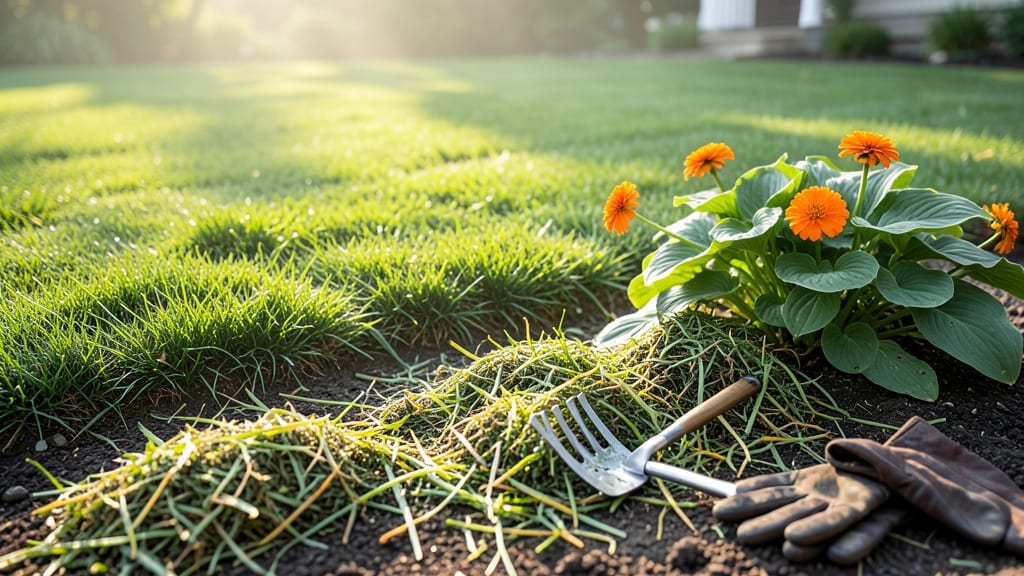
Using grass clippings in garden fertilizes soil naturally by returning nitrogen and organic matter, while suppressing weeds and reducing mowing frequency when left on lawns or composted properly. Avoid overapplying to prevent thatch buildup or fungal growth.
Grass clippings act like a free, nutrient-rich mulch that breaks down into the soil over time, enriching it with essential nitrogen and improving its texture. 🌱 This natural fertilizer also helps retain moisture and discourages weed growth by blocking sunlight from reaching the soil.
When used correctly, they can transform your garden into a thriving ecosystem without any extra cost.
For best results, spread clippings thinly—about ¼-inch thick—to prevent smothering plants or creating thatch. If your lawn is healthy, leaving clippings after mowing is the easiest way to recycle nutrients.
For garden beds, mix them into the soil or use them as a top layer, ensuring they don’t pile up too thickly, which can lead to odors or pests.
💡 In This Article
- How Grass Clippings Boost Soil Health and Plant Growth
- Best Practices for Using Grass Clippings as Natural Mulch
How grass clippings boost soil health and plant growth
Grass clippings are packed with nitrogen—typically containing about 2-4% nitrogen by dry weight—which makes them an excellent natural fertilizer. When clippings decompose, they release this nitrogen in a form that plants can easily absorb, acting like a slow-release nutrient boost.
This process also introduces organic matter that improves soil structure, allowing roots to penetrate more easily and increasing aeration. The breakdown of clippings also stimulates beneficial soil microbes, creating a thriving ecosystem that enhances nutrient availability for your plants. 🌱
The decomposition process works best when clippings are spread thinly—ideally no thicker than ¼-inch—to ensure they decompose quickly without smothering plants or creating thatch. Over time, these clippings transform into humus, a dark, nutrient-rich substance that enhances soil fertility.
For example, a 100-square-foot lawn can produce enough clippings to fertilize about 10 square feet of garden bed annually, making this a cost-effective and sustainable practice. The organic matter also helps retain moisture, reducing the need for frequent watering.
Beyond nitrogen, grass clippings contribute other essential nutrients like phosphorus and potassium, though in smaller amounts. The potassium helps strengthen plant cell walls, improving resistance to disease and environmental stress. This nutrient balance makes clippings particularly beneficial for leafy greens, herbs, and flowering plants, which thrive in nitrogen-rich soils.
The key is consistency—regularly returning clippings to the lawn or garden ensures a steady supply of nutrients without overwhelming the soil. 🌿
However, not all grass types decompose at the same rate. Cool-season grasses like Kentucky bluegrass break down faster than warm-season grasses like Bermuda, which can take longer to decompose.
If you notice clippings piling up or creating a thatch layer thicker than ½-inch, it’s time to adjust your mowing frequency or compost them instead. Overapplying clippings can lead to fungal issues or odors, so moderation is key.
For garden beds, mixing clippings with other organic materials like leaves or straw can speed up decomposition and prevent compaction.
One often-overlooked benefit is how clippings suppress weeds by blocking sunlight and preventing weed seeds from germinating. This natural mulching effect reduces the need for chemical herbicides while keeping your garden beds tidy. The texture of clippings also helps regulate soil temperature, protecting plant roots from extreme heat or cold.
For instance, during summer, a layer of clippings can keep soil 5-10°F cooler than exposed soil, which is especially helpful for heat-sensitive plants like lettuce or spinach. 🌡️
For optimal results, mow your lawn when the grass is dry and clippings are already small—this ensures they decompose faster and blend into the soil more effectively. If you’re using clippings in garden beds, chop them finely with a lawn mower or shredder first to accelerate the breakdown process.
This approach turns what many see as yard waste into a powerful, free resource for healthier soil and plants. The science behind it is simple: nature recycles, and grass clippings are a perfect example of that cycle in action. ✨