I’ve always found solace in the dirt—whether it was sneaking tomatoes from my neighbor’s garden as a kid or helping my grandpa coax life out of stubborn seeds. This site is where I share the lessons I’ve learned from both successes and spectacular failures. My goal? To make gardening feel less like a chore and more like a conversation with the earth.
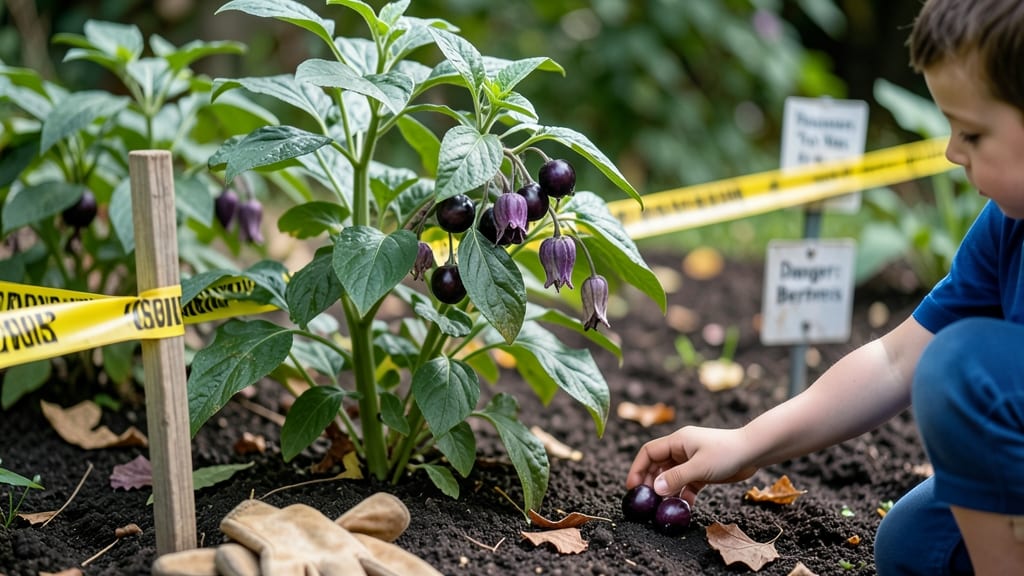
💥 Quick Answer The world's deadliest garden includes plants like castor beans, oleander, and foxglove, which produce toxins such as ricin, digitoxin, and theobromine. Cultivating these requires sealed containers…
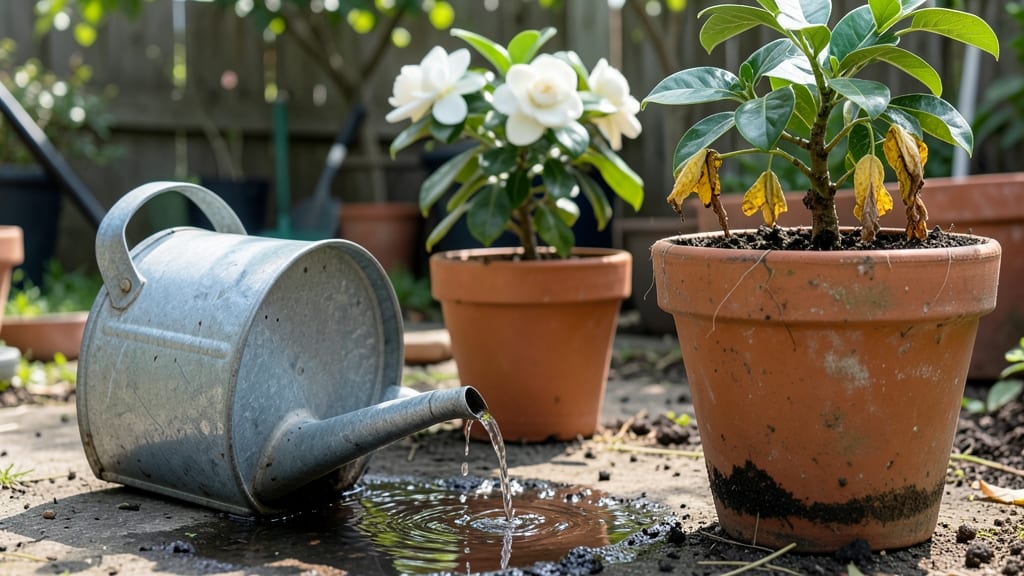
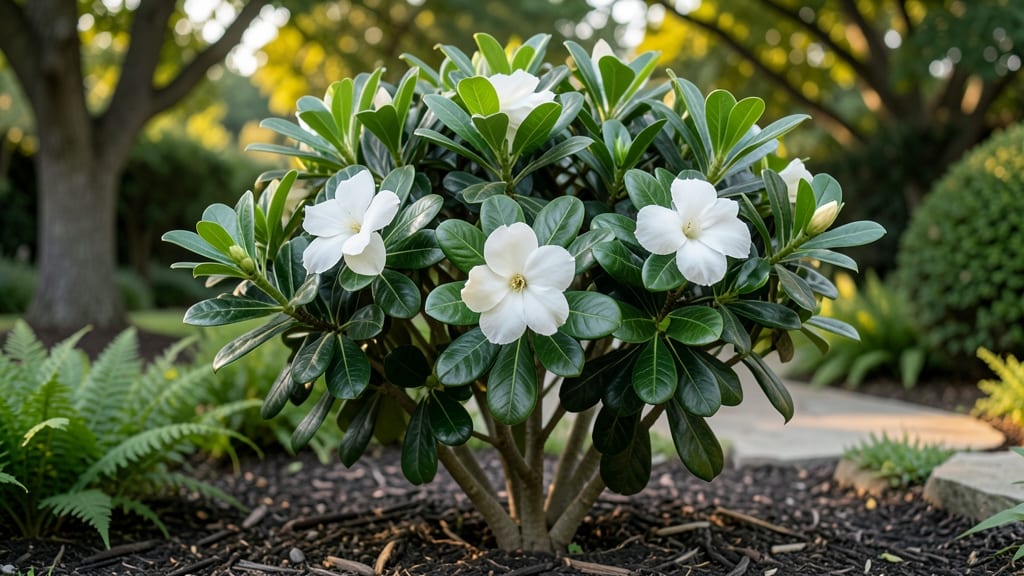
💥 Quick Answer Yellow leaves on an overwatered gardenia signal root stress, often paired with drooping stems and mushy soil. Test moisture by squeezing soil—if it stays clumped, cut back watering and improve drainage…
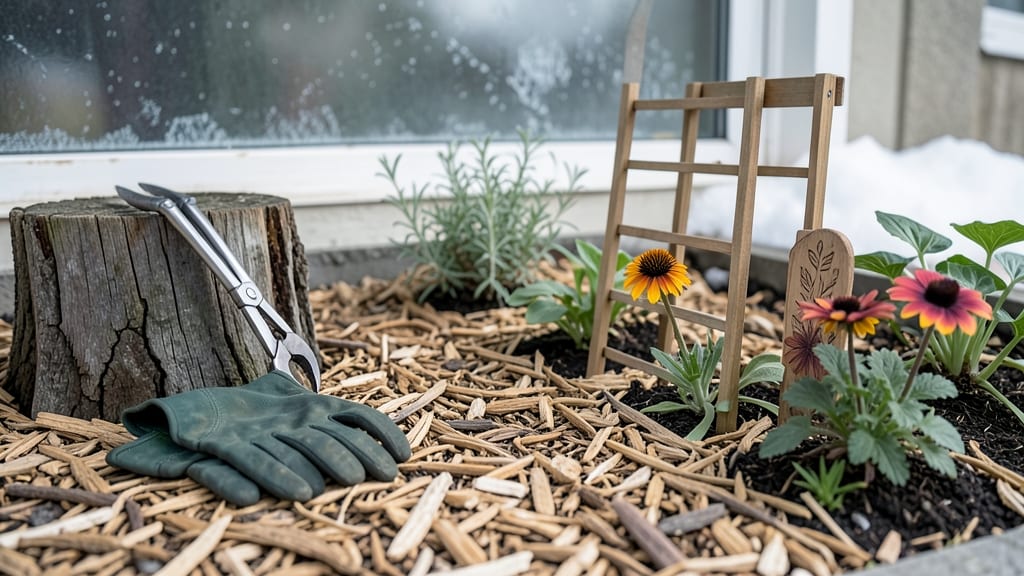
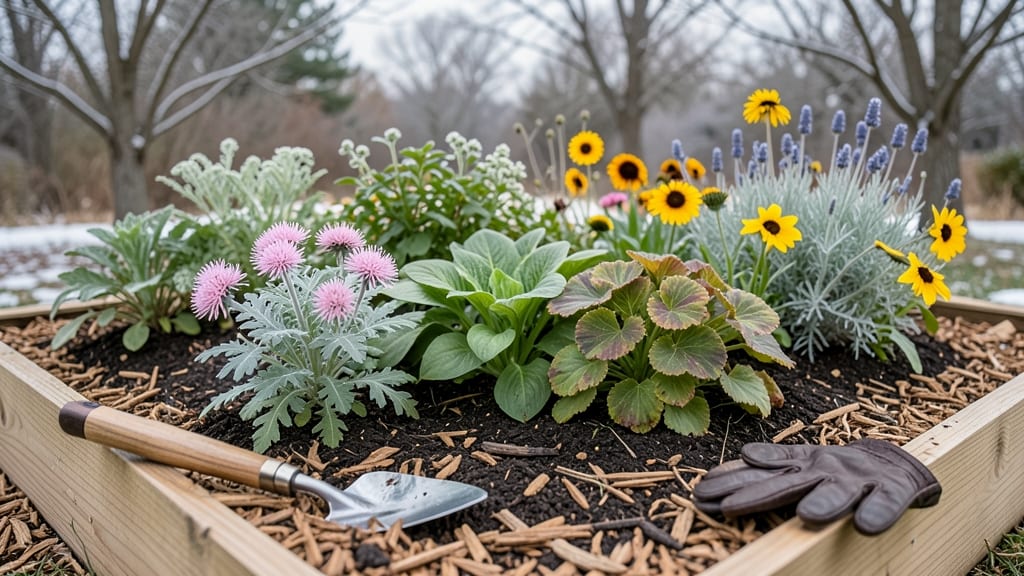
💥 Quick Answer Zone 4 gardening requires selecting cold-hardy plants that endure freezing temperatures down to -30°F, with frost-free periods typically lasting just 6 months. Focus on resilient perennials like lavender…
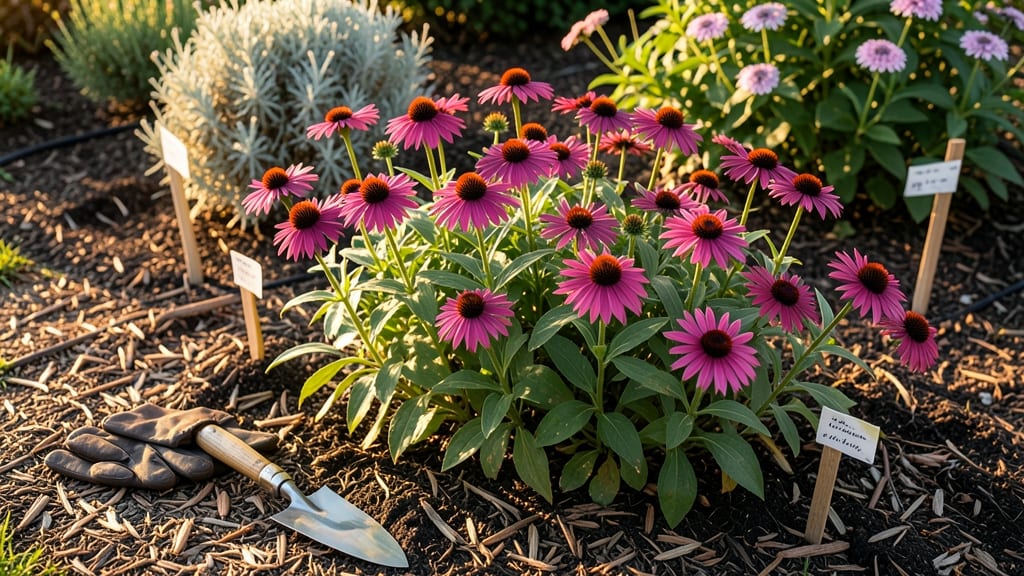
💥 Quick Answer Zone 5 gardening thrives in areas where average winter lows range from -20°F to -10°F, making it ideal for growing hardy perennials, cold-resistant annuals, and shrubs like coneflowers, peonies, and…
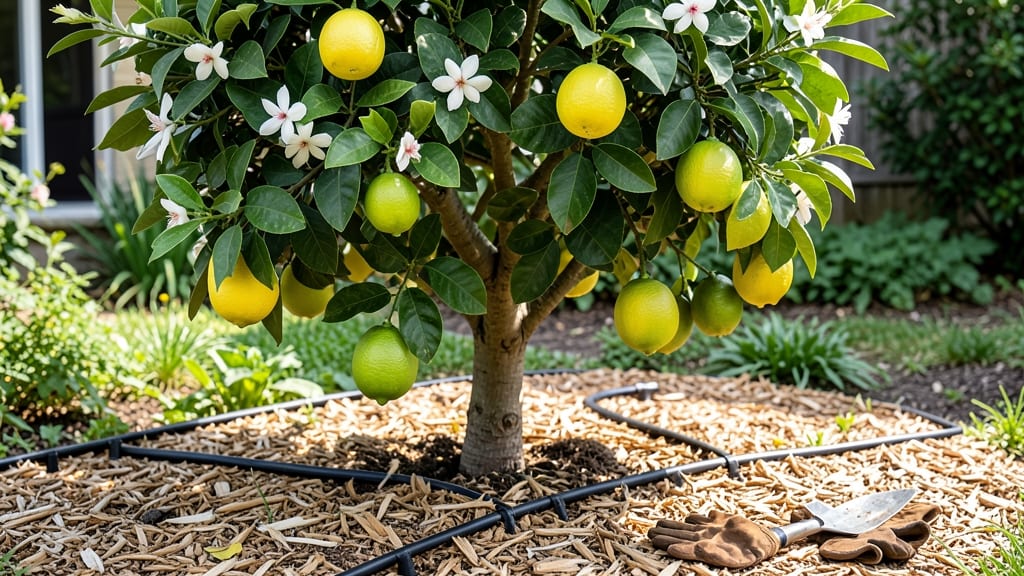
💥 Quick Answer Zone 9 gardening thrives with year-round warmth, allowing tropical plants like hibiscus and citrus to flourish while requiring strategic timing for cool-season crops like lettuce and broccoli…
💥 Quick Answer Zone 3 gardening focuses on cold-resistant plants that survive average minimum temperatures between -40°F and -30°F, including hardy varieties like coneflowers, Russian sage, and winter wheat. Prioritize…
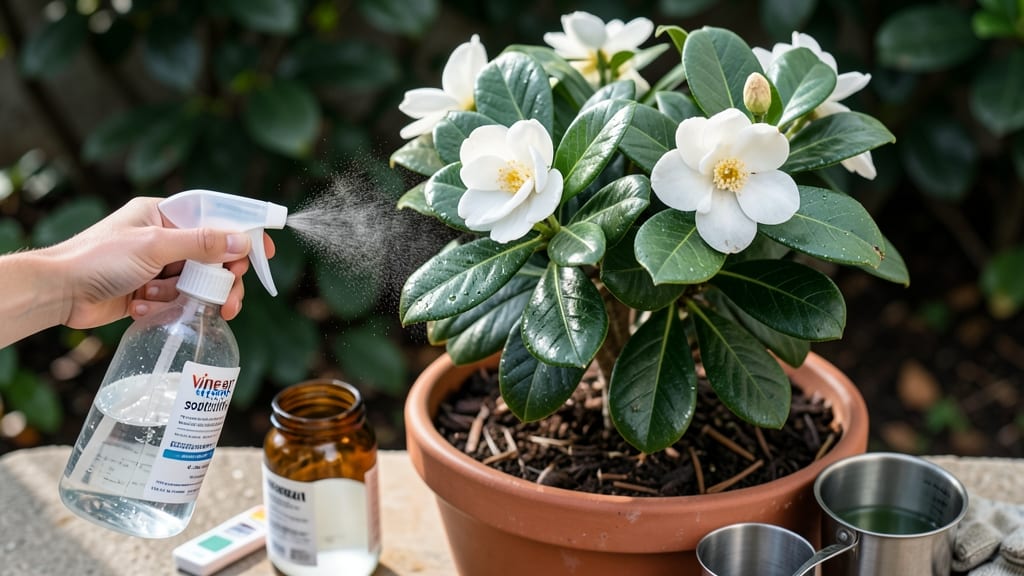
💥 Quick Answer Vinegar for gardenias can revive yellowing leaves by balancing soil acidity and fighting fungal diseases, but it must be diluted to prevent leaf damage. A 1:10 vinegar-water solution applied to soil or…
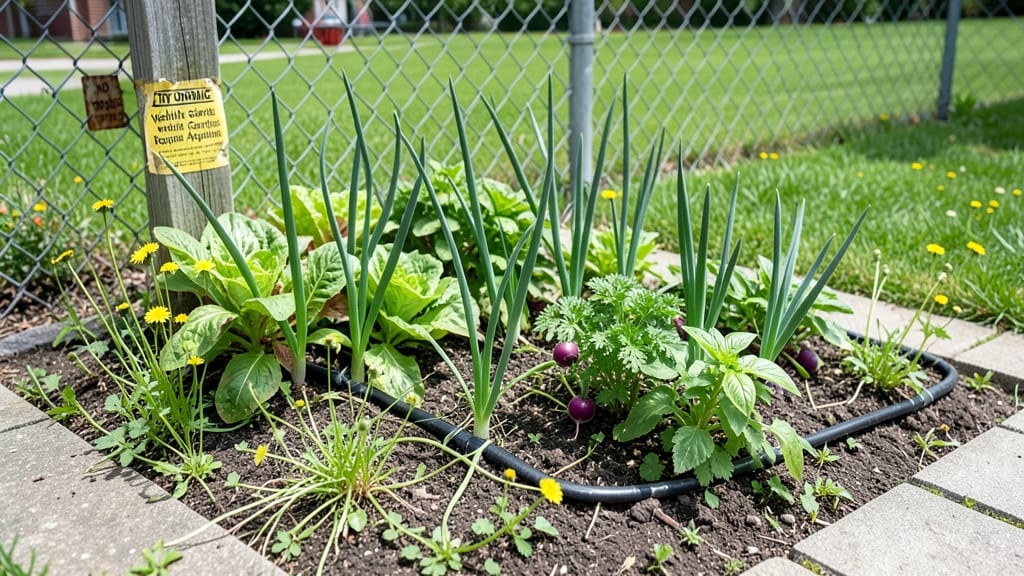
💥 Quick Answer A front yard vegetable garden may be illegal if it violates local zoning laws, HOA rules, or agricultural restrictions, often requiring permits or limiting cultivation to backyard areas. Always verify…
💥 Quick Answer Gardenias in Texas can thrive with frost-resistant varieties and careful winter protection, especially in zones 8-10 where they bloom beautifully year-round. Texas's hot summers and occasional cold snaps…
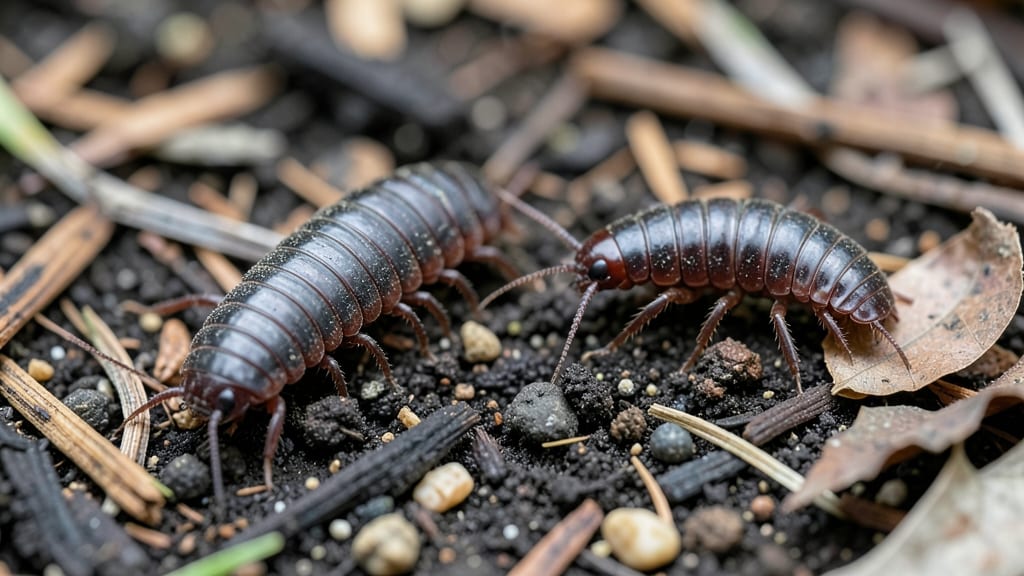
💥 Quick Answer Millipedes in gardens are generally good or bad because they break down organic debris, enhance soil fertility, and help control pests like slugs and aphids. However, their numbers can become problematic…