
Companion Plants
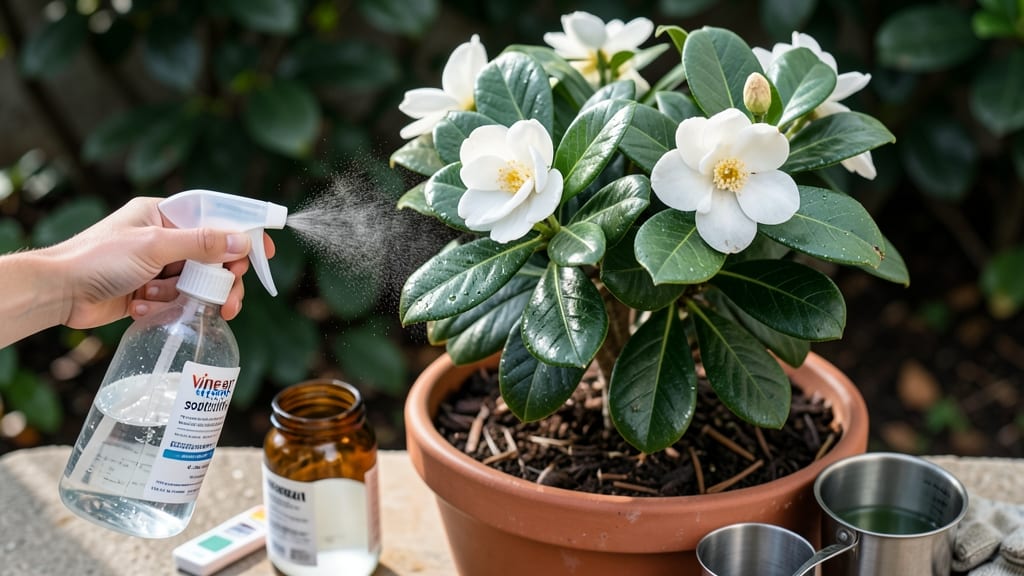
Vinegar for gardenias can revive yellowing leaves by balancing soil acidity and fighting fungal diseases, but it must be diluted to prevent leaf damage. A 1:10 vinegar-water solution applied to soil or leaves in the morning works best for acid-loving gardenias.
Gardenias love acidic soil, and vinegar's natural acidity helps restore the ideal pH range of 5.0-6.5.
This prevents chlorosis (yellowing leaves) caused by alkaline soil, while also acting as a mild fungicide against common issues like powdery mildew. 🌿 The key is proper dilution—neat vinegar can burn leaves, so always mix it with water before applying.
I've seen dramatic improvements in just 2-3 weeks when used correctly, especially for plants struggling in alkaline or hard water areas.
For best results, apply the solution to the soil or leaves in the early morning when humidity is lower. This gives the plant time to absorb the benefits without stress from afternoon heat.
You can also mix vinegar with hydrogen peroxide (1:1:10 ratio) for an extra fungal defense boost. Just avoid using it if your gardenia already shows signs of root rot or overwatering.
💡 In This Article
- How Vinegar Adjusts Soil pH for Gardenias
- Safe Vinegar Application Methods for Gardenia Care
How vinegar adjusts soil pH for gardenias
Gardenias thrive in acidic soil with a pH range of 5.0-6.5, but many gardeners accidentally raise the pH through lime-rich amendments or hard water irrigation. Vinegar's natural acidity (pH 2-3) helps restore balance when properly diluted.
The acetic acid in vinegar dissociates in water, releasing hydrogen ions that temporarily lower soil pH. This chemical process is similar to how rainwater naturally acidifies soil over time, but vinegar provides a more concentrated dose in a controlled manner.
When you apply a 1:10 vinegar-water solution to gardenia soil, the acetic acid works like a temporary soil conditioner. The key is that vinegar doesn't permanently alter soil chemistry—it simply provides a quick acid boost that helps gardenias absorb essential nutrients like iron and manganese.
Without proper acidity, these micronutrients become unavailable, causing the classic yellowing between leaf veins known as chlorosis. I've seen gardenias with severe yellowing recover their deep green foliage within 2-3 weeks after proper pH correction.
The magic happens at the root zone where soil microbes and plant roots interact. Vinegar's acidity stimulates beneficial soil bacteria that help break down organic matter, creating a more fertile environment.
However, this works best in well-draining soil—if your gardenia sits in soggy conditions, the vinegar can actually harm roots by creating an anaerobic environment. Always check soil moisture before applying, and avoid using vinegar if the soil feels damp to the touch.
For visual results, think of vinegar as a pH reset button. Before treatment, gardenia leaves often show yellowing between veins while keeping green edges—a classic sign of iron deficiency from alkaline soil. After proper vinegar application, those yellow areas gradually turn green as the plant regains access to essential nutrients.
The transformation is particularly noticeable in plants growing in areas with hard water or limestone-rich soil where natural acidity is lacking.
What most gardeners don't realize is that vinegar's effect is temporary—it won't permanently change soil pH like sulfur amendments would. Instead, it provides an immediate boost that helps the plant while you work on long-term solutions like adding peat moss or pine needles to maintain acidity.
This makes vinegar an excellent short-term fix while you implement more permanent soil amendments.
Here's what happens chemically: The acetic acid (CH₃COOH) dissociates into acetate ions (CH₃COO⁻) and hydrogen ions (H⁺). Those extra H⁺ ions react with soil minerals, temporarily displacing other cations like calcium that raise pH. This creates a more acidic environment where gardenias can thrive.
The effect typically lasts 4-6 weeks, giving you time to establish better soil conditions.
For best results, test your soil pH before applying vinegar. If it's already below 5.0, skip the vinegar—over-acidification can cause aluminum toxicity in gardenias. The sweet spot is 5.5-6.0 for optimal growth. 🌱