
Flowers
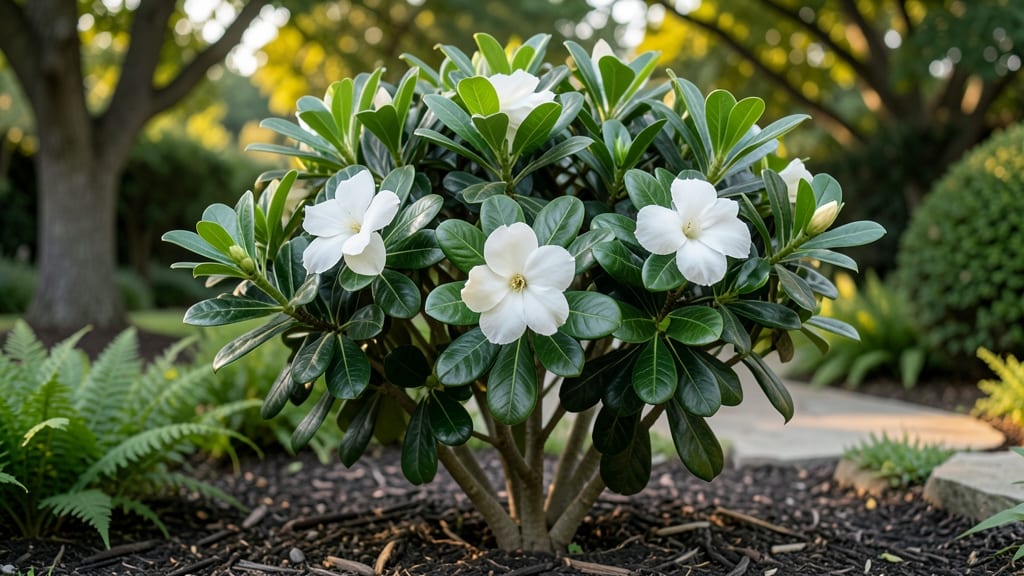
Gardenias in Texas can thrive with frost-resistant varieties and careful winter protection, especially in zones 8-10 where they bloom beautifully year-round.
Texas's hot summers and occasional cold snaps make growing gardenias challenging, but the right cultivar selection and microclimate strategies can transform your yard into a fragrant paradise. 🌸 Varieties like 'Kleim's Hardy' survive down to 10°F with proper mulching or container moves, while others need winter wraps to protect their delicate blooms.
The key is balancing Texas's alkaline soil with acid-loving amendments and ensuring consistent moisture without waterlogging—both critical for maintaining that signature gardenia fragrance.
For best results, plant in partial shade to shield from harsh afternoon sun, and prune after blooming to encourage new growth. Container gardening offers flexibility—simply roll plants indoors during freezes.
With these adjustments, your gardenias won't just survive Texas summers; they'll reward you with months-long blooms that turn heads at neighborhood gatherings.
💡 In This Article
- Best Texas-Friendly Gardenia Varieties for Cold Tolerance
- Texas Gardenia Care: Soil, Watering, and Winter Survival Tips
Best Texas-friendly gardenia varieties for cold tolerance
Texas gardeners face a unique challenge: balancing intense summer heat with occasional winter freezes that can devastate tropical gardenias. The key lies in selecting cultivars bred for resilience, particularly those from the G. jasminoides and G. radicans families.
'Kleim's Hardy' stands out as the most cold-tolerant variety, surviving brief dips to 10°F when properly mulched. This variety's thick, leathery leaves and compact growth habit make it ideal for Texas landscapes where winter protection is essential.
The fragrance intensity of these varieties varies dramatically—'Kleim's Hardy' produces 2-3 inch blooms with a sweet, jasmine-like scent that's especially potent in the evening, while G. radicans (coral gardenia) offers vibrant orange-red flowers with a milder citrusy aroma.
Both bloom primarily in late spring through summer, but with consistent care, they may produce sporadic fall blooms. For maximum fragrance, plant near patios or walkways where the scent can be fully appreciated during warm evenings.
What most gardeners don't realize is that these cold-hardy varieties actually perform better in Texas's alkaline soils when amended with 3-4 inches of organic matter like pine bark or peat moss. The amendment lowers soil pH to the ideal 5.0-6.5 range that gardenias crave.
Without this adjustment, plants struggle to absorb essential nutrients, leading to yellowing leaves and reduced blooming. The investment in soil prep pays off with stronger, more resilient plants that handle Texas's temperature swings better.
Container gardening offers another solution for Texas gardeners, particularly in colder microclimates. Varieties like 'Veitchii' and 'Radicans' thrive in 15-20 gallon pots filled with acid-loving mix, allowing you to move plants to sheltered locations during winter.
The root restriction actually encourages more frequent blooming, as the plant focuses energy on producing flowers rather than extensive root systems. Just ensure containers have drainage holes to prevent root rot from Texas's heavy summer rains.
For those seeking year-round interest, consider dwarf varieties like 'Fortuniana' which tops out at 3-4 feet and produces 4-5 inch blooms with an intoxicating fragrance.
This variety handles Texas heat exceptionally well when planted in partial afternoon shade, where it receives morning sun but escapes the harsh 100°F+ afternoon temperatures. The trade-off is slightly less cold tolerance (15°F minimum), making it better suited for central and southern Texas regions.
Remember that even cold-hardy varieties need protection during prolonged freezes. A 4-6 inch layer of mulch (preferably pine straw) around the base insulates roots from temperature fluctuations. For container plants, move them to a garage or covered porch where temperatures stay above 32°F.
These simple precautions can extend your gardenia's lifespan from years to decades in Texas's challenging climate.