I’ve always found solace in the dirt—whether it was sneaking tomatoes from my neighbor’s garden as a kid or helping my grandpa coax life out of stubborn seeds. This site is where I share the lessons I’ve learned from both successes and spectacular failures. My goal? To make gardening feel less like a chore and more like a conversation with the earth.
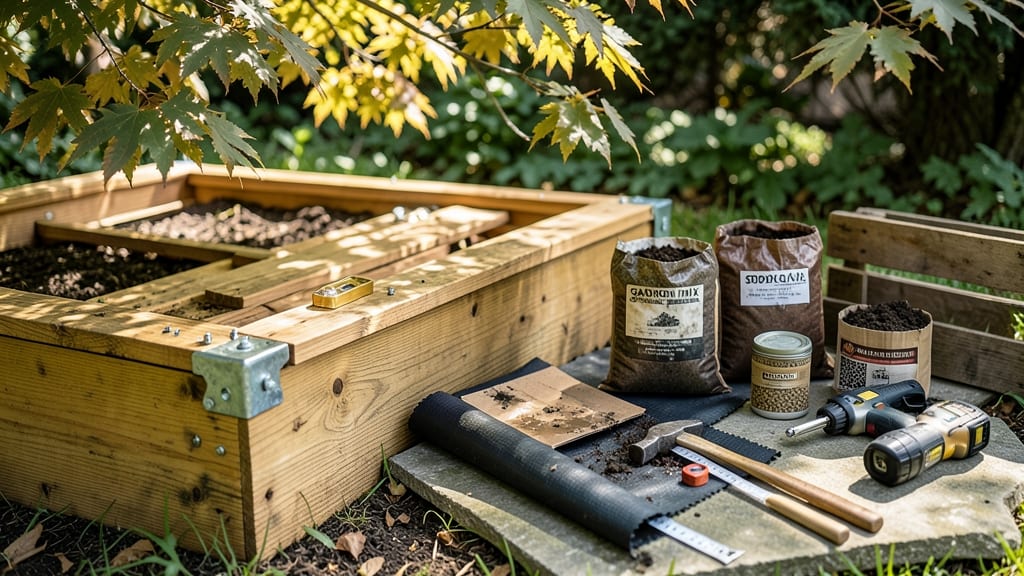
💥 Quick Answer The cost to make a raised garden bed ranges from $100 to $500, with a standard 4’x8’ frame averaging $150–$300 for materials like cedar or composite lumber. Hardware, soil quality, and regional lumber…
💥 Quick Answer North Carolina's gardening zones range from USDA Zone 5 in the mountains to Zone 8 along the coast, with most areas falling between Zones 7 and 8. This diversity lets you grow everything from…
💥 Quick Answer Kansas gardening zones cover USDA Hardiness Zones 5a through 7b, with most areas landing in 6a or 6b due to the state's dramatic seasonal shifts—think subzero winters and scorching summers. These…
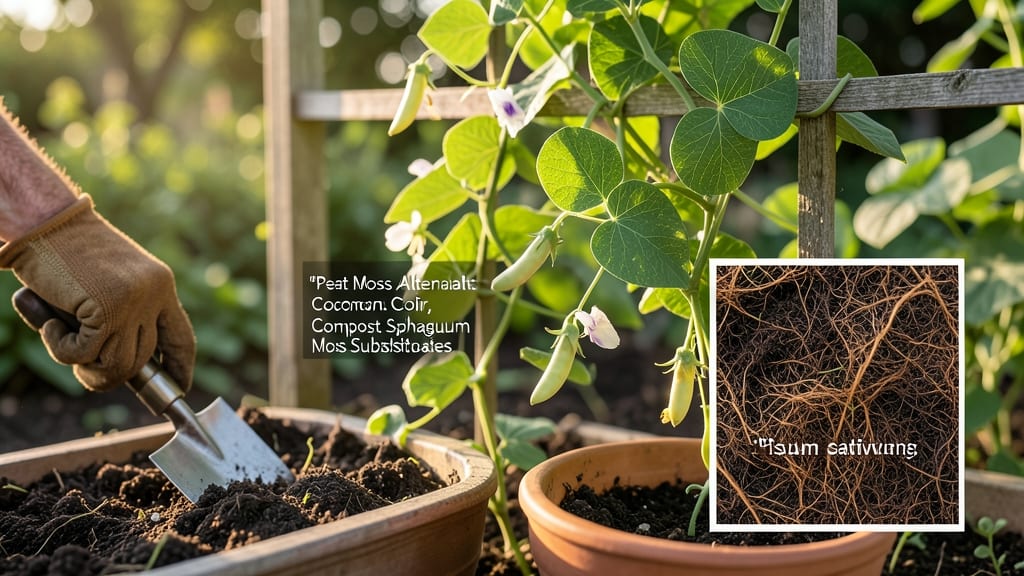
💥 Quick Answer Why is peat bad for gardens? It's harmful because its mining wrecks delicate wetland ecosystems, releasing massive carbon stores and threatening endangered species. As a finite resource, it breaks down…
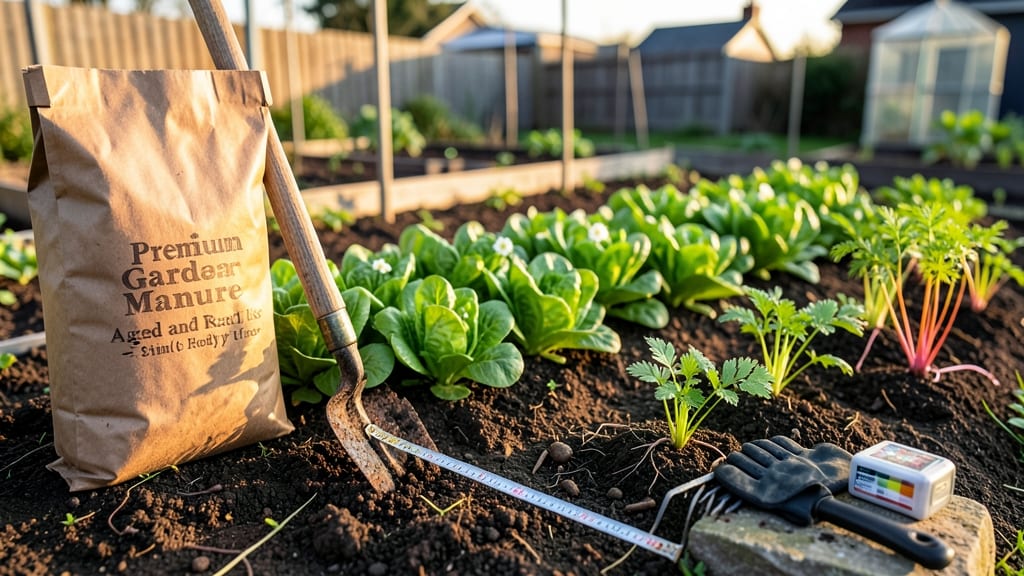
💥 Quick Answer To determine how much manure to add to garden soil, apply 1-2 inches of well-aged composted manure per square foot for most plants, adjusting the amount based on your soil type—sandy soils benefit from…
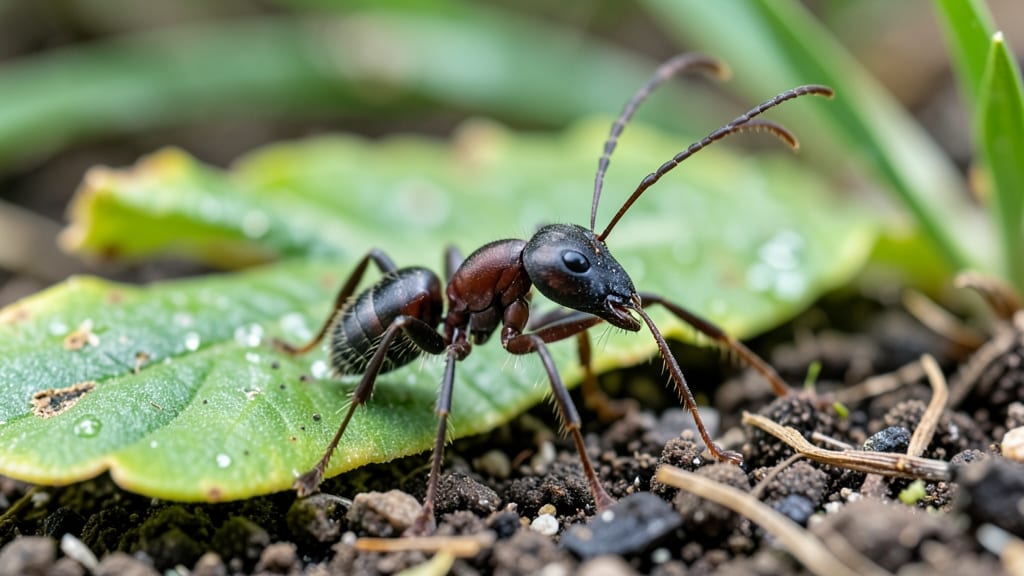
💥 Quick Answer Are ants in garden beds good or bad? They're mostly beneficial—helping aerate soil, spread seeds, and hunt pests like aphids—but some species can harm plants or invite sugar ants. The answer depends on…