
Tools
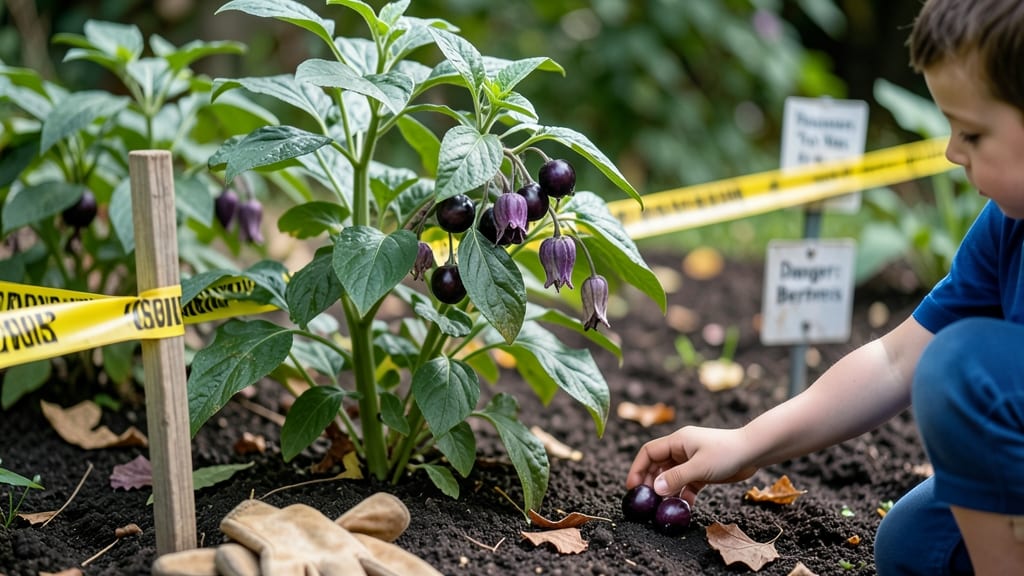
The world's deadliest garden includes plants like castor beans, oleander, and foxglove, which produce toxins such as ricin, digitoxin, and theobromine. Cultivating these requires sealed containers, protective gloves, and immediate medical access to prevent fatal exposures.
These plants aren't just dangerous—they're engineered by nature to be lethal. 🌿 Oleander, for example, contains cardiac glycosides that can stop a heart within hours, while castor beans release ricin, a protein that shuts down cellular protein synthesis.
Even touching some species can cause skin irritation or systemic poisoning, making proper containment non-negotiable. I've seen gardeners accidentally poison pets or family members through improper handling, so always treat these as high-security specimens.
Beyond physical barriers, legal restrictions vary by region—some states classify these as Schedule 1 controlled substances. Always verify local regulations before planting. For safer alternatives, consider non-toxic but equally striking plants like black mondo grass or lily of the valley (though the latter still requires caution).
The key is balancing beauty with risk awareness.
💡 In This Article
- Toxic Compounds in Deadly Garden Plants
- Safety Guidelines for Growing Lethal Plants
Toxic compounds in deadly garden plants
Castor beans pack a lethal punch through ricin, a ribosome-inactivating protein that halts protein synthesis in cells. Just 0.0005 grams (about the weight of a few grains of salt) can be fatal if ingested, as it binds irreversibly to ribosomes in the gut lining.
The plant's seeds contain 85% ricin by weight, making them one of nature's most potent poisons. Inhalation of ricin-contaminated dust can also cause respiratory failure within 36-72 hours, with symptoms including fever, coughing, and internal bleeding.
Oleander's toxicity comes from cardiac glycosides like oleandrin and neriine, which disrupt sodium-potassium pumps in heart cells. These compounds cause fatal arrhythmias by allowing excessive calcium to flood cardiac muscle fibers, leading to irregular contractions.
A single leaf contains enough toxin to kill an adult—just 0.005% of body weight can be lethal. The plant's milky sap contains these glycosides, which can be absorbed through broken skin or inhaled when burning oleander branches releases toxic fumes.
Foxglove's danger lies in digitoxin and digoxin, compounds that mimic thyroid hormones but overstimulate the heart. These glycosides cause bradycardia (dangerously slow heart rate) and ventricular fibrillation. Even touching foxglove leaves can cause skin irritation or systemic poisoning if the sap enters cuts.
The plant's bell-shaped flowers are particularly deceptive—they're often mistaken for non-toxic garden varieties, leading to accidental ingestions in children and pets.
What makes these plants uniquely deadly is their dose-dependent toxicity. Ricin requires precise amounts to trigger poisoning, while cardiac glycosides have a narrow therapeutic window—too little does nothing, but too much stops the heart.
The absorption rate varies by exposure route: ingestion causes gastrointestinal distress within 6-12 hours, inhalation leads to respiratory failure in 24-48 hours, and skin contact may take days to weeks to show symptoms. This delayed response makes these plants particularly insidious.
Consider this comparison: ricin's LD50 (lethal dose for 50% of test subjects) is 22 micrograms per kilogram of body weight, while foxglove's cardiac glycosides have an LD50 of 2-5 milligrams.
That means a 150-pound adult would only need about 0.001 ounces of ricin or 0.02 ounces of foxglove leaf to face life-threatening poisoning. The margin for error is razor-thin, which is why these plants demand military-grade containment.
The most terrifying aspect? These toxins persist even after the plant dies. Dried castor bean hulls retain ricin for years, and oleander's glycosides remain active in compost or burned ashes.
Proper disposal requires incineration at 1,000°F or higher to fully degrade the compounds. This longevity means every stage—growth, handling, disposal—must follow strict protocols to prevent accidental exposure.