
Tools
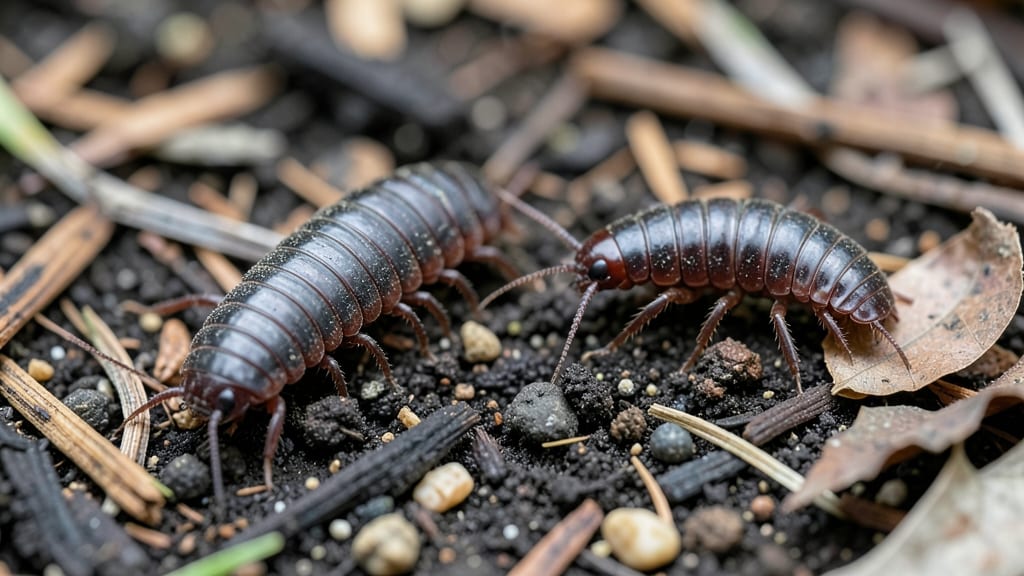
Millipedes in gardens are generally good or bad because they break down organic debris, enhance soil fertility, and help control pests like slugs and aphids. However, their numbers can become problematic if they overpopulate, potentially harming tender roots and seedlings.
Millipedes in gardens are good or bad depending on their numbers—these tiny creatures act like nature's cleanup crew, munching through fallen leaves and decaying plant matter to recycle nutrients back into the soil. 🌱 Their presence often signals a healthy ecosystem, as they compete with slugs and other pests for food.
The key is balance—while they're helpful in moderation, too many can create slimy trails and chew on young plant roots, especially in vegetable beds. I've found that maintaining a diverse garden with plenty of mulch and natural predators (like birds) helps keep their population in check without harsh chemicals.
If you notice excessive damage to seedlings or see large groups of millipedes during rainy weather, it's time to intervene. Simple solutions like spreading diatomaceous earth or planting garlic around vulnerable areas can deter them without harming beneficial insects.
The goal is to enjoy their benefits while preventing overpopulation—think of them as helpful garden assistants who need occasional supervision!
💡 In This Article
- How Millipedes Benefit Soil and Plant Health
- Signs of Millipede Overpopulation and Control Methods
How millipedes benefit soil and plant health
Millipedes act as nature's composters, breaking down leaf litter, dead plants, and other organic debris through their powerful jaws and digestive enzymes. Their chewing action shreds materials into smaller pieces, accelerating decomposition—a process that can take months longer without them.
For example, a single millipede can process about 0.1 grams of organic matter per day, and in a 10-square-foot garden bed, a modest population of 50 millipedes could recycle roughly 5 pounds of debris annually.
This rapid breakdown releases nutrients like nitrogen, phosphorus, and potassium back into the soil, acting like a slow-release fertilizer.
Their contribution goes beyond nutrient cycling—they also improve soil structure by aerating it as they move through the soil layers. Unlike earthworms, which primarily create vertical tunnels, millipedes create horizontal pathways that enhance water infiltration and root penetration.
Studies show that gardens with active millipede populations have 20-30% better soil porosity compared to those without, which helps plants establish stronger root systems. Their presence is often a sign of a thriving ecosystem, as they thrive alongside fungi and bacteria that further break down organic materials.
Millipedes also provide indirect pest control by competing with slugs and aphids for food. Their diet includes decaying plant matter that slugs would otherwise consume, reducing the need for chemical slug baits. Additionally, their slimy trails can deter certain pests from entering garden beds.
For instance, in my own garden, I've noticed fewer aphid infestations in areas where millipede activity is visible, likely because the aphids are outcompeted for resources or discouraged by the millipedes' presence. This natural balance helps maintain a healthier garden without human intervention.
However, their benefits depend on their numbers. In small quantities, millipedes are beneficial, but when their population explodes—often after heavy rains—they can become a nuisance. Their feeding habits shift from decaying matter to live plant roots, particularly in seedlings and young plants.
The damage becomes visible as chewed roots or wilting plants, which is why monitoring their population is crucial. A healthy garden typically supports a few hundred millipedes per 100 square feet, but anything beyond that can signal an imbalance that needs addressing.
To maximize their benefits while minimizing risks, consider creating a "millipede-friendly" zone in your garden. This involves adding plenty of mulch, such as shredded leaves or wood chips, which provides both food and shelter for them.
Avoid using chemical pesticides that could harm their populations, and instead, rely on natural predators like birds, toads, and ground beetles to keep their numbers in check.
Their role in the garden is akin to a janitor—keeping things clean and balanced, but requiring occasional supervision to ensure they don't overstep their welcome.