
Tools
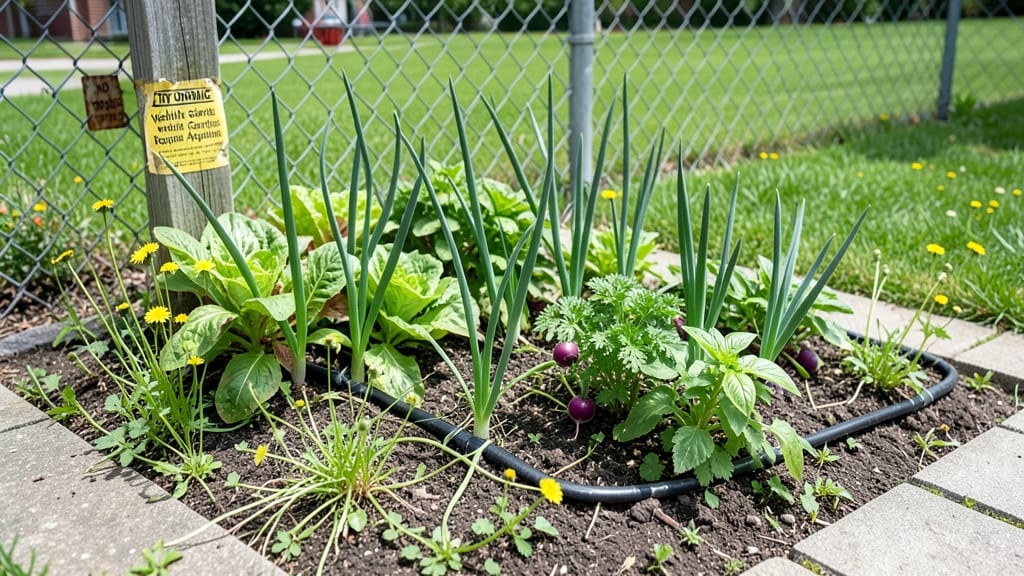
A front yard vegetable garden may be illegal if it violates local zoning laws, HOA rules, or agricultural restrictions, often requiring permits or limiting cultivation to backyard areas. Always verify your city’s land-use ordinances and county regulations before planting.
Front yard vegetable gardens often face restrictions because cities classify residential areas as non-agricultural zones, where farming activities—even small-scale—aren’t permitted without special approval. 🌱 Many neighborhoods also enforce HOA rules that prohibit visible gardening in front yards, treating it as a violation of aesthetic standards.
Even if your city allows it, you might need a permit, especially if you plan to sell produce or use commercial equipment. Always check with your local planning department first—they can provide specific guidelines for your area.
Some communities offer workarounds, like container gardening or vertical planters that blend into landscaping, but these still may require permits. For example, urban farming programs in cities like Portland or Austin actively encourage backyard gardening but strictly regulate front yard setups to maintain neighborhood harmony.
If you're unsure, start with a small test plot and consult your HOA or city planner before expanding.
💡 In This Article
- Key Zoning Laws That Ban Front Yard Vegetable Gardens
- How to Legally Grow Vegetables in Restricted Areas
Key zoning laws that ban front yard vegetable gardens
Most residential neighborhoods are classified under single-family or multi-family zoning districts, which explicitly prohibit agricultural activities—even small vegetable plots—in front yards. These zoning laws, typically outlined in municipal codes, designate front yards as landscaped areas rather than production zones.
For example, cities like Houston require front yards to maintain at least 50% turfgrass, leaving little room for raised beds or in-ground gardens. Violations can trigger fines ranging from $250 to $1,000, depending on local ordinances.
The restrictions stem from concerns about visual uniformity, property values, and potential water runoff from irrigation. Many cities enforce setback requirements, mandating that gardens stay at least 5 feet from property lines—a rule that’s nearly impossible to meet in front yards.
In HOA-governed communities, front yard gardens often violate landscape covenants, which may require approval before altering the approved aesthetic. For instance, a Florida HOA might demand that all front yard plants be ornamental, not edible, to maintain curb appeal.
Enforcement varies by jurisdiction, but cities often respond to complaints from neighbors about unpermitted structures (like raised beds) or altered drainage patterns caused by irrigation.
Some municipalities, like Denver, have urban agriculture ordinances that allow backyard gardens but explicitly ban front yard cultivation unless it’s part of an approved community garden program. The key takeaway: even if your neighbors garden, their setup might not comply with local rules—so always verify before planting.
Another critical factor is property tax implications. If your city assesses land value based on zoning classification, converting a front yard into a garden could trigger a revaluation, increasing your annual taxes.
For example, a California homeowner saw their property taxes rise by 15% after adding a front yard garden that was later deemed a commercial agricultural use by the assessor’s office. This is why many cities require agricultural exemptions or special permits—to prevent unintended tax consequences.
HOA rules often include specific plant lists that exclude vegetables, focusing instead on native shrubs, flowers, or turfgrass. For example, a Texas HOA might allow rosemary or lavender in front yards but prohibit tomato plants or lettuce, classifying them as "non-landscape" crops.
Even if your city allows front yard gardens, your HOA could still enforce stricter rules—making it essential to review both municipal codes and neighborhood bylaws before digging.
One surprising exception is historical districts, where front yard gardens might be permitted if they align with the area’s preserved aesthetic. For instance, San Francisco’s Victorian homes often feature edible flower gardens in front yards, as long as they’re framed as "ornamental" rather than productive.
However, this requires historic preservation board approval, adding another layer of bureaucracy. 🌿
If you’re considering a front yard garden, start by checking your city’s land-use map—available online through municipal planning departments. Look for terms like "residential agricultural district" or "urban farming zone", which may offer exemptions.
For HOA-governed properties, request a copy of the landscape covenants and ask about the approval process for non-traditional plantings.