
Planting
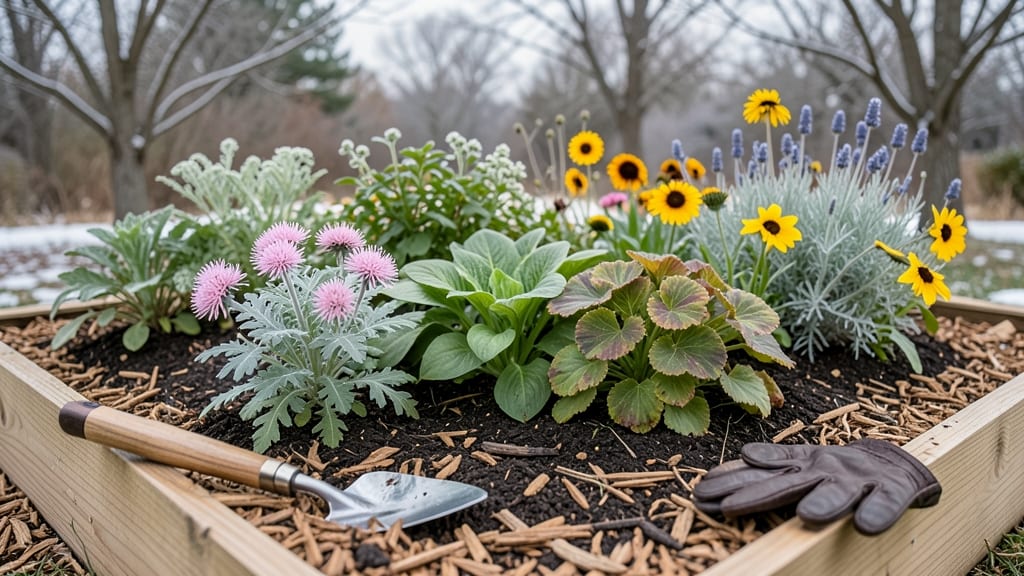
Zone 3 gardening focuses on cold-resistant plants that survive average minimum temperatures between -40°F and -30°F, including hardy varieties like coneflowers, Russian sage, and winter wheat. Prioritize perennials, biennials, and cold-tolerant annuals, while protecting them with mulch and frost blankets during harsh freezes.
Zone 3 gardening presents unique challenges due to its extreme cold, but the right plant choices and techniques can turn your yard into a thriving garden. 🌱 The key is selecting species with deep root systems and natural cold tolerance, like catnip or black-eyed Susans, which handle late spring frosts better than tender varieties.
I've found that preparing soil with compost and using straw mulch in late fall creates an insulating layer that preserves root integrity through winter. For vegetables, fast-maturing crops like spinach or kale work well when planted early, while cold frames can extend the season by 4-6 weeks.
What sets Zone 3 apart is its need for strategic planning around frost dates—most areas experience 150-200 frost-free days annually. This means starting seeds indoors 6-8 weeks before the last expected frost and choosing varieties labeled for short-season growing.
I always keep row covers ready for late spring planting to shield young plants from unexpected cold snaps, which can be just as damaging as winter freezes.
💡 In This Article
- Understanding USDA Zone 3 Plant Hardiness and Climate Challenges
- Top Cold-Resistant Plants and Gardening Tips for Zone 3 Success
Understanding USDA Zone 3 plant hardiness and climate challenges
The USDA Zone 3 classification covers regions where winter temperatures routinely drop to -40°F to -30°F, creating a unique set of growing conditions. This zone spans northern states like Montana, Minnesota, and Maine, as well as parts of Canada.
The classification system considers the average annual minimum temperature over a 30-year period, which helps gardeners predict which plants can survive winter's harshest conditions. For example, a plant labeled "Zone 3 hardy" has been tested to withstand temperatures as low as -40°F without permanent damage.
What makes Zone 3 gardening particularly challenging is the combination of extreme cold and late spring frosts. Many plants start growing in early spring, only to be hit by 32°F or lower temperatures in April or May.
This is why cold-hardy perennials with deep root systems—like catnip or Russian sage—thrive here. Their roots can access moisture deep in the soil, while their above-ground growth remains dormant until temperatures stabilize.
Additionally, the growing season is short, typically offering only 90-120 frost-free days, which demands careful planning for annual vegetables and flowers.
Microclimates play a crucial role in Zone 3 success. A south-facing slope, for instance, can warm up 5-10°F faster than a north-facing area, creating pockets where tender plants might survive.
I've noticed that even a 6-inch difference in elevation can mean the difference between a successful crop and a frost-killed seedling. Using these microclimates strategically—like planting heat-loving tomatoes near a brick wall—can extend the growing season by 2-3 weeks in some cases. 🌿
Another key factor is soil temperature, which often lags behind air temperature. In Zone 3, soil may stay below 50°F until late May or early June, delaying planting for cool-season crops like lettuce or peas.
To combat this, gardeners use techniques like black plastic mulch, which can raise soil temperatures by 10-15°F by absorbing sunlight. This simple adjustment can mean the difference between a thriving garden and one that struggles to establish itself before winter returns.
Understanding these climate challenges helps explain why Zone 3 gardeners rely so heavily on perennials and biennials. These plants have evolved to store energy in their roots during winter, allowing them to regrow quickly once temperatures rise.
For example, coneflowers can survive winters with roots buried just 2-3 inches deep, while their foliage remains dormant until spring. This resilience makes them ideal for Zone 3 landscapes, where annuals would struggle to complete their life cycle before frost.
Late spring frosts are another critical consideration. Even after the last average frost date, temperatures can drop unexpectedly, particularly in low-lying areas. This is why gardeners in Zone 3 often use frost blankets or row covers to protect young plants.
A single 28°F night can devastate tender seedlings, so planning for these risks is essential. I've found that planting heat-tolerant varieties—like Swiss chard or kale—reduces the risk, as these crops can handle cooler temperatures better than traditional lettuce.
Finally, the short growing season demands careful selection of fast-maturing varieties. For vegetables, choosing early-maturing tomatoes (50-60 days) or bush beans (50-60 days) ensures they produce before frost. This focus on timing and variety is what separates successful Zone 3 gardens from those that struggle with cold-related setbacks.
With the right approach, even the harshest winters can yield a productive and beautiful garden. ✨