
Planting
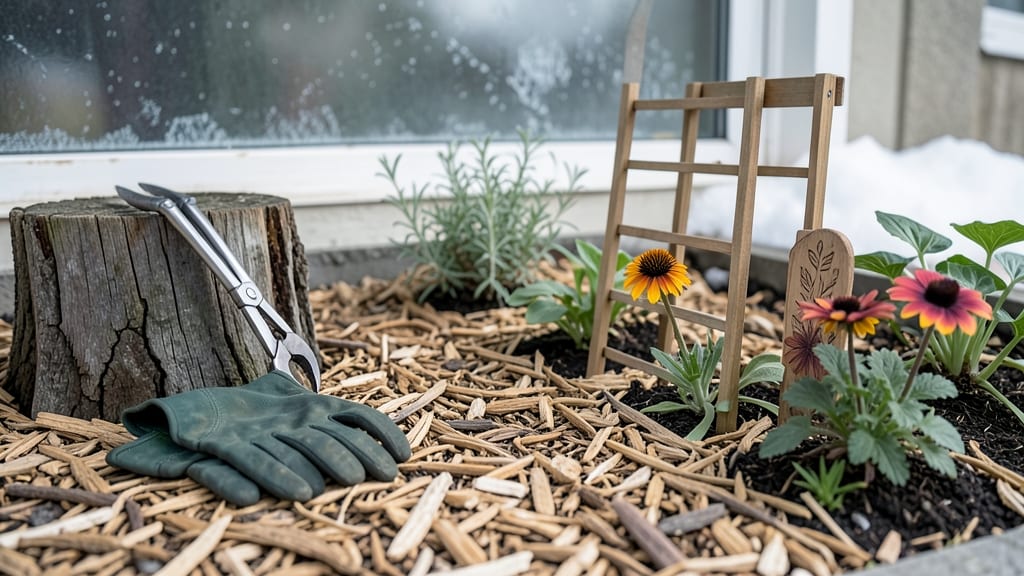
Zone 5 gardening thrives in areas where average winter lows range from -20°F to -10°F, making it ideal for growing hardy perennials, cold-resistant annuals, and shrubs like coneflowers, peonies, and Russian sage with careful frost timing and strategic microclimate adjustments.
This cold-climate zone spans from the Midwest to the Northeast, where gardeners must work with shorter growing seasons and unpredictable frost patterns. 🌱 The key to success lies in selecting plants rated for Zone 5 hardiness (or lower) and using techniques like windbreaks or cold frames to shield tender crops.
I’ve found that understanding your specific last spring frost date—typically around May 10-20 in most Zone 5 regions—helps time plantings precisely, while fall frost dates (usually October 1-15) determine when to harvest or protect late-season crops.
Microclimates play a huge role in extending your growing window.
For example, a south-facing wall can warm soil by 10-15°F compared to open ground, while black plastic mulch absorbs heat to jumpstart spring plantings. 🌡️ Even small adjustments—like planting heat-loving veggies near the house or using row covers—can mean the difference between a thriving garden and a frost-killed crop.
💡 In This Article
- Understanding Zone 5 Frost Dates and Plant Hardiness
- Creating Microclimates for Zone 5 Success
Understanding Zone 5 frost dates and plant hardiness
The USDA Plant Hardiness Zone Map divides North America into zones based on average annual minimum temperatures, and Zone 5 represents areas where winter lows typically range from -20°F to -10°F. This classification determines which plants can survive your region's harshest winters.
For example, a Zone 5a area (coldest end) might see -30°F dips occasionally, while Zone 5b (warmer end) rarely drops below -15°F. This 10°F difference can mean the difference between thriving peonies and frozen tulip bulbs!
Frost dates are the real game-changers for gardeners. The last spring frost (when nighttime temps stay above 32°F consistently) usually arrives between May 10-20 in most Zone 5 regions, while the first fall frost typically hits October 1-15.
These dates create your growing season window—about 140-160 days in most cases. However, microclimates can shift these dates by 2-3 weeks in either direction. For instance, a south-facing slope might warm up 5-7 days earlier in spring than a low-lying area.
Plant hardiness ratings (like the ones on seed packets) tell you which plants can survive your zone's winter conditions. A Zone 5 hardy plant can withstand -20°F temps, but some varieties (like Russian sage) thrive in Zone 4 and may even perform better in Zone 5's slightly warmer winters.
The key is matching your zone to the plant's lowest temperature tolerance—not just its average growing conditions. For example, coneflowers (Zone 3-8) handle Zone 5 winters beautifully, while tomatoes (Zone 5-10) need protection from early/late frosts.
What most gardeners don't realize is how soil temperature affects planting times more than air temperature. Soil stays cold long after air warms up—it needs to reach at least 50°F for most vegetables to germinate.
That's why planting cold-hardy crops like peas or spinach in early spring (as soon as soil thaws) gives them a head start, while waiting for 60°F+ soil before planting tomatoes prevents rot. A simple soil thermometer (about $10) can save you from costly mistakes!
Extended hardiness ranges matter too. Some plants labeled for Zone 5 can actually survive Zone 4 winters if given proper winter protection (like mulch or burlap wraps), while others may need Zone 6 conditions to thrive.
For instance, hydrangeas (Zone 3-9) might produce fewer blooms in Zone 5's colder winters unless you choose varieties like 'Limelight', which is bred for better cold tolerance. The USDA map provides a baseline, but your local conditions often require adjustments.
Here's a pro tip: Track your own frost dates for 3-5 years to identify patterns. Some years may have late frosts in May or early frosts in September, throwing off typical schedules.
I've seen 30-day variations in frost dates between years in the same location—keeping a garden journal helps you adapt. For example, if your last frost is consistently May 25 instead of May 15, you can safely plant heat-loving crops like eggplants (Zone 5-11) a week earlier than the average.
Finally, remember that dormancy matters. Many Zone 5 plants (like perennials) enter a natural resting state in winter, surviving temperatures well below their hardiness rating. The real damage comes from freeze-thaw cycles that cause roots to heave out of the ground.
Mulching with 4-6 inches of straw or leaves insulates roots and maintains steady soil temps, preventing this damage. 🌟