
Planting
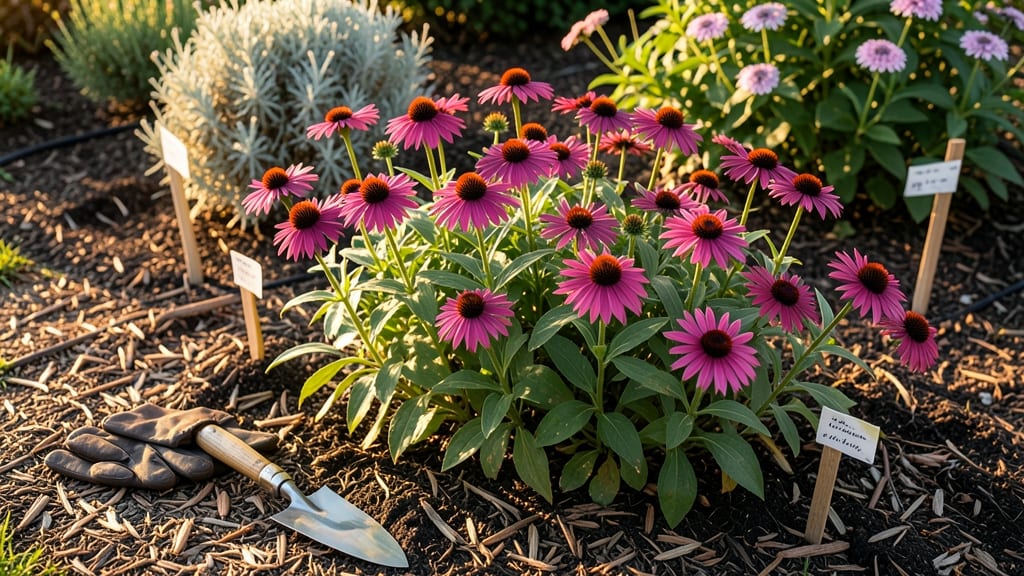
Zone 4 gardening requires selecting cold-hardy plants that endure freezing temperatures down to -30°F, with frost-free periods typically lasting just 6 months. Focus on resilient perennials like lavender, evergreens such as spruce, and frost-tolerant vegetables like Brussels sprouts and broccoli, while prioritizing soil enrichment and protective mulching.
This region's short growing season demands strategic planning—think of it as a marathon, not a sprint. 🔥 The key is choosing plants that not only survive winter but also rebound quickly in spring.
I've found that layering organic mulch in late fall creates an insulating blanket that preserves root zones, while selecting native species like Russian sage or black-eyed Susan ensures natural cold resistance.
Even vegetables like kale and potatoes thrive when planted at optimal times, proving that with the right approach, Zone 4 can deliver abundant harvests despite its harsh climate.
What sets successful Zone 4 gardens apart is understanding microclimates—southern exposures stay warmer, while northern slopes freeze faster. I recommend testing your yard's specific conditions by planting cold-sensitive annuals like marigolds in different spots to identify the warmest microclimates for extending your growing season.
This simple experiment can reveal hidden pockets perfect for tomatoes or peppers that might otherwise fail.
💡 In This Article
- Understanding Zone 4 Climate and Plant Hardiness
- Top Cold-Hardy Plants for Zone 4 Gardens
Understanding Zone 4 climate and plant hardiness
Zone 4's defining characteristic is its brutal winters, where average annual minimum temperatures plunge to between -20°F and -30°F. This extreme cold forces plants to develop specialized survival mechanisms.
Perennials undergo a process called cold acclimation, where they convert sugars into antifreeze proteins that protect cell membranes from freezing. Annuals, however, lack this adaptation and must be replanted each year after the first frost, typically arriving between mid-October and early November.
The USDA's hardiness zones account for these extremes, but what's less obvious is how frost cycles shape plant selection. In Zone 4, you'll experience both early frosts in fall and late frosts in spring, creating a 6-month growing window that demands precise timing.
For example, tender crops like basil need to be started indoors 8-10 weeks before your last frost date, while hardy vegetables like spinach can handle light frosts and even improve in flavor after a 28°F chill. 🌱
Microclimates become your secret weapon in this harsh environment. A south-facing wall can create a 5-10°F warmer zone than the surrounding area, while a low-lying spot may freeze 2-3 days earlier in spring. I've seen gardeners extend their season by 2-3 weeks simply by planting frost-sensitive crops near heat-retaining structures.
Even soil type matters—sandy soils drain quickly and warm faster in spring, while clay holds cold longer. Testing your microclimates by planting cold-sensitive indicators like marigolds in different spots reveals these hidden temperature variations.
Soil insulation is where science meets practical gardening. Organic mulches like straw or shredded leaves create an insulating blanket that can raise soil temperatures by 5-8°F in winter while preventing rapid warming in spring. The key is applying 4-6 inches of mulch after the ground freezes but before heavy snowfall.
This thickness mimics natural forest floors where plants thrive under snow cover. For container gardens, wrapping pots in bubble wrap or burlap adds an extra 10°F of protection against freezing.
What most gardeners overlook is how plant placement affects wind exposure. Evergreens like spruce act as natural windbreaks, reducing wind chill by 30-50% in exposed areas. I've noticed that protected garden beds maintain 2-3°F warmer temperatures than open areas during winter.
This wind protection isn't just about comfort—it prevents desiccation in evergreens and reduces heat loss from soil. Strategic placement of windbreaks can mean the difference between a thriving garden and one struggling to survive.
The science of cold hardiness extends to plant anatomy. Deciduous trees like maples drop their leaves to reduce surface area and water loss, while evergreens have needle-like leaves with waxy coatings that prevent moisture loss. Some plants even produce antifreeze compounds similar to those in cold-water fish!
Understanding these adaptations helps you select plants that match your microclimate's specific challenges. For instance, Russian sage thrives in Zone 4 because its deep root system accesses moisture while its silvery leaves reflect sunlight away from the crown during winter.
Remember that hardiness ratings are just a starting point. A plant rated for Zone 4 might still need winter protection in your specific location if you experience colder-than-average winters. The key is combining hardiness ratings with your local climate data and microclimate observations.
With this approach, you'll transform Zone 4's challenges into opportunities for creating a resilient, productive garden that outperforms expectations. 💫