
Light Requirements
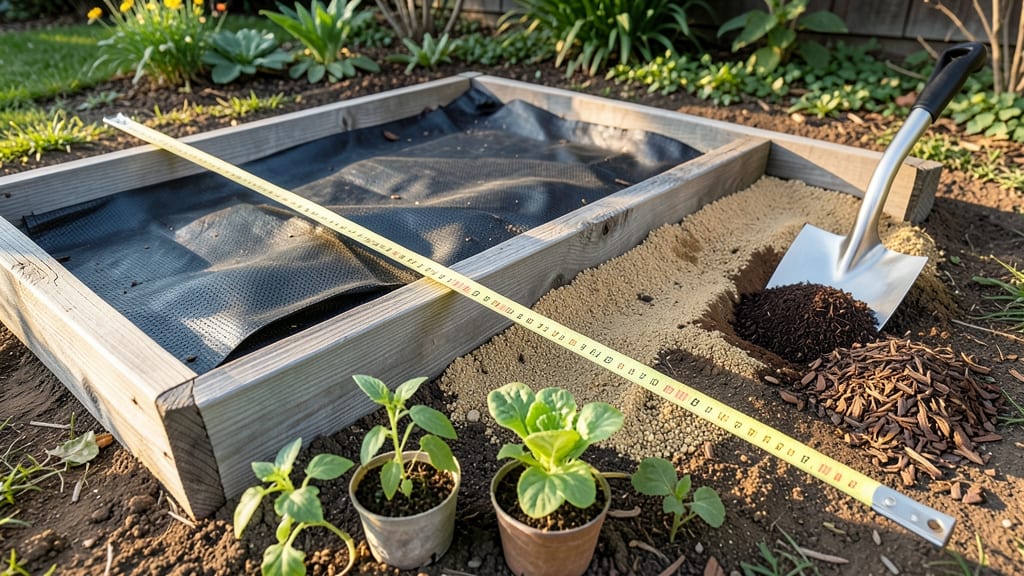
To determine how much soil for a garden bed, multiply the length by width by depth (in feet) to get cubic feet—typically 6–12 inches deep requires 0.5–1.5 cubic feet per square foot of bed. Adjust for raised beds or native soil conditions.
Figuring out how much soil you need for your garden bed starts with simple math: length × width × depth. 🌱 For example, a 4-foot by 8-foot bed that’s 1 foot deep needs 32 cubic feet of soil.
If you’re working with raised beds, you’ll often need more material because the sides create additional space. I always recommend buying 10% extra to account for settling and uneven ground—trust me, you don’t want to run out halfway through!
Beyond the numbers, the type of soil matters too. Topsoil is great for most plants, but adding compost improves drainage and fertility. For larger projects, consider renting a soil screener to break up clumps and make spreading easier.
Always check your local soil quality—if it’s already nutrient-rich, you might need less amendment than you think!
💡 In This Article
- Calculating Soil Volume for Garden Beds: Formula and Variables
- Choosing Soil Types and Quantities for Different Garden Bed Sizes
Calculating soil volume for garden beds: formula and variables
The core calculation for soil volume is straightforward: multiply your garden bed's length (in feet) by width (in feet) by depth (in feet).
For instance, a 4-foot by 8-foot bed with 12-inch depth requires 32 cubic feet of soil (4 × 8 × 0.75 = 24, but add extra for settling). This formula works because soil volume is measured in three dimensions, just like a rectangular box.
Depth matters more than you might think—most vegetables need at least 6-12 inches of soil for proper root development. Shallow beds (4 inches) work for herbs or shallow-rooted plants like lettuce, while deeper beds (18+ inches) support root crops like carrots or potatoes.
The deeper the bed, the more soil you'll need, but also the better the drainage and root space for your plants. 🌱
Here's where things get tricky: loose soil settles over time, reducing its volume by 10-20%. That's why I always recommend buying 10-15% extra than your calculation suggests. For example, if your math says 50 cubic feet, round up to 55-60 cubic feet to avoid running short.
Compacted soil (like clay) requires even more material because it doesn't settle as much but is harder to work with.
Raised beds complicate things because they have vertical sides. A 4-foot by 8-foot raised bed with 1-foot walls actually holds 32 cubic feet of soil (4 × 8 × 1), but the extra height means you're lifting more material.
For these, consider using a wheelbarrow or soil bag dolly to move heavy loads. The good news? Raised beds warm up faster in spring and drain better than ground-level beds.
Another key variable is soil type. Topsoil is denser than compost blends, so a 1 cubic foot bag of topsoil covers more area than the same volume of potting mix.
For example, a 2 cubic foot bag of potting mix might only cover 2 square feet at 6-inch depth, while topsoil could cover 3 square feet. Always check the product label for coverage estimates—this saves money and prevents shortages.
For precision, use a measuring tape and mark your bed dimensions before buying soil. If you're unsure, sketch your bed layout and calculate each section separately.
Pro tip: Use a shovel or trowel to test soil depth in different spots—ground levels often vary, and you don't want to discover uneven areas after filling your bed. 💫