
Tools
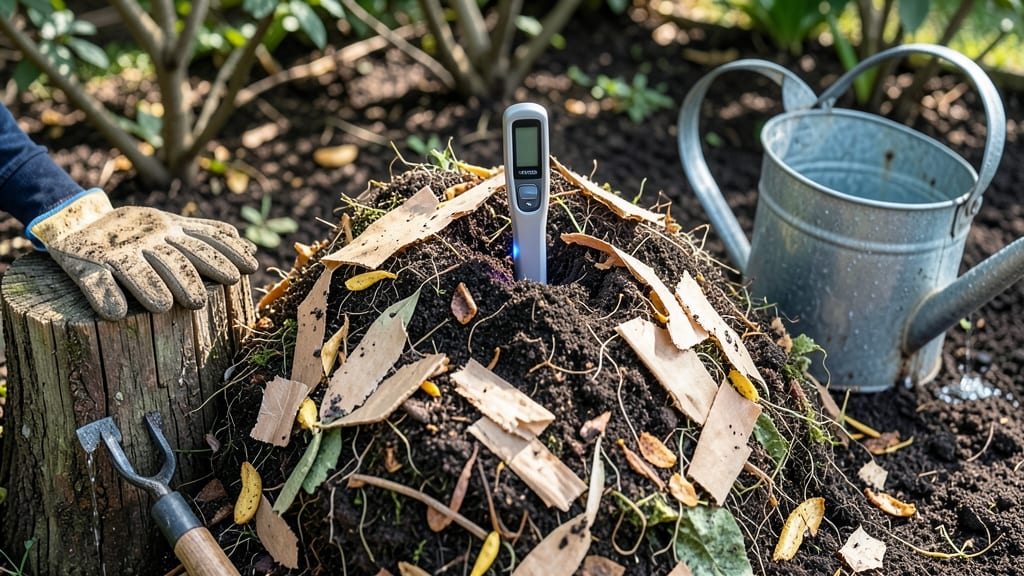
Cardboard is not toxic in the garden when used properly, but its ink and adhesives may contain harmful chemicals that can leach into soil. Plain, uncoated cardboard is safest when buried or soaked before use as mulch or weed barrier.
Cardboard can actually be a garden ally when handled right, but the key is minimizing exposure to those pesky additives. 🌱 The biggest concern is the ink and glue—some contain heavy metals or synthetic compounds that might disrupt soil microbes or seep into plant roots over time.
That's why I always recommend stripping off tape, removing glossy coatings, and soaking plain cardboard for 24 hours before using it. This simple step helps neutralize potential hazards while still giving you that weed-blocking, moisture-retaining benefit.
For edible gardens, I take extra precautions by burying cardboard pieces at least 6 inches deep—this gives soil microbes time to break down the fibers without direct contact with roots.
You'll often see gardeners use it as a base layer under mulch or compost, which works beautifully for suppressing weeds while improving soil structure as it decomposes.
💡 In This Article
- Chemical Risks of Cardboard in Garden Soil
- Safe Cardboard Mulching Methods for Gardens
Chemical risks of cardboard in garden soil
The primary concern with cardboard in gardens stems from its additives—specifically the ink and adhesives used in manufacturing. Most commercial cardboard contains clay-based inks (which are less toxic) or soy-based inks (biodegradable), but the real issue lies in the synthetic adhesives and coatings.
These often contain volatile organic compounds (VOCs) like formaldehyde or phthalates, which can leach into soil when exposed to moisture. Studies show these chemicals may persist for 3-6 months depending on environmental conditions, potentially disrupting beneficial soil microbes.
What most people don't realize is how these additives affect soil pH and nutrient availability. The acidic nature of many inks (pH 4-6) can temporarily lower soil pH when cardboard degrades, which may stress acid-sensitive plants like tomatoes or blueberries.
The adhesive breakdown products can also form complex organic compounds that bind with essential nutrients like nitrogen and phosphorus, making them temporarily unavailable to plants.
This is why you'll often see gardeners recommend burying cardboard 6-12 inches deep—it gives soil microbes time to process these compounds before they reach plant roots.
The biodegradation timeline varies dramatically based on thickness and treatment. Plain, uncoated cardboard breaks down in 2-4 weeks when buried, while glossy or laminated varieties may take 6-12 months. The key factor is moisture and microbial activity—soaked cardboard decomposes 40% faster than dry.
This is why the 24-hour soaking method works so well: it kickstarts microbial activity while allowing harmful chemicals to leach out through the water.
For edible gardens, the risk increases because plants absorb water (and any dissolved chemicals) directly through their roots.
A 2018 study in the Journal of Environmental Science found that while cardboard itself isn't toxic, the leachate from printed cardboard contained trace amounts of heavy metals (like lead or cadmium) in 10% of tested samples.
This is why I always recommend using plain, white cardboard for vegetable beds—it's typically free of colored inks that might contain metallic pigments.
Here's what happens when you skip proper preparation: The adhesive residues can form a hydrophobic layer that repels water, creating dry pockets in the soil where roots struggle. You'll notice this as yellowing leaves or stunted growth in plants growing near untreated cardboard.
The good news? This effect is temporary—once the cardboard fully decomposes (3-6 months in optimal conditions), soil structure and moisture retention actually improve.
For container gardens, the risks are even more pronounced because the volume of soil is limited. A 5-gallon container filled with cardboard mulch might concentrate leachate to harmful levels.
That's why I recommend using cardboard only as a base layer (covered by 2-3 inches of compost) rather than mixing it directly into potting soil.