
Tools
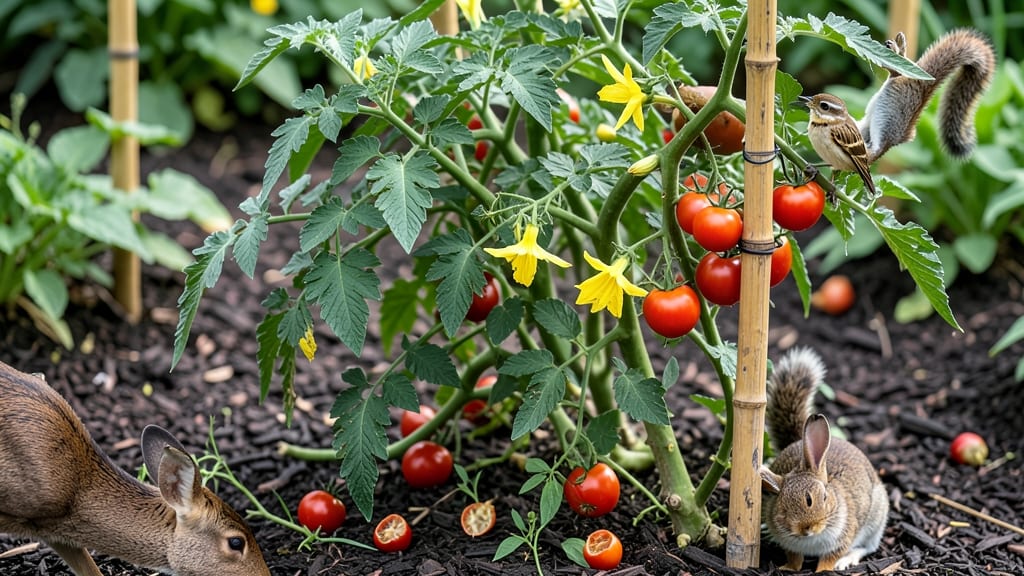
Animals that eat garden tomatoes include squirrels, raccoons, deer, birds, slugs, and insects like tomato hornworms, which can destroy both ripe and unripe fruit. Recognizing which creatures are causing damage helps you choose the most effective protection methods.
Tomatoes are a prime target for wildlife because of their sweet, juicy flesh and high water content. 🌱 Squirrels and raccoons, for example, often raid gardens at night, while deer may strip entire plants in a single night if left unchecked.
Birds like starlings and sparrows peck at ripe tomatoes, and slugs leave telltale slime trails on leaves. Even insects such as tomato hornworms can defoliate plants overnight, making early identification key to saving your harvest.
Different animals have distinct feeding habits—some prefer ripe fruit, while others go for young shoots or leaves. Understanding these patterns helps you implement targeted solutions, whether it's using physical barriers, natural repellents, or companion plants to keep pests away.
💡 In This Article
- Common Tomato Thieves: Identifying Garden Pests and Wildlife
- Natural and Chemical Solutions to Deter Tomato-Eating Animals
Common tomato thieves: identifying garden pests and wildlife
Squirrels are one of the most persistent tomato thieves, using their sharp claws to climb fences and tear through netting. They prefer ripe, red tomatoes but will eat green ones when hungry. 🐿️ Their feeding patterns peak at dawn and dusk, when they're most active.
You'll often find chewed stems and scattered fruit around the base of plants—telltale signs of their nocturnal raids. Squirrels also cache tomatoes for later, sometimes burying them in garden beds, only to dig them up weeks later.
Raccoons, meanwhile, are intelligent foragers that use their dexterous front paws to pry open tomato cages and rip fruit from vines. Unlike squirrels, they're primarily nocturnal, making them harder to spot. 🦝 Their damage is usually more destructive: entire plants uprooted, fruit crushed, and leaves torn.
Raccoons also have a sweet tooth for overripe tomatoes, which they'll dig up from the soil after heavy rains. Deer, on the other hand, are less selective—they'll browse on leaves, stems, and fruit alike, often stripping entire plants in 30-60 minutes during nighttime grazing sessions.
Birds like starlings and sparrows target ripe tomatoes with precision, pecking through the skin to access the juicy interior. 🐦 They leave small, clean holes—unlike raccoons or squirrels—which can make them harder to identify.
Slugs, however, leave unmistakable trails of slime on leaves and fruit, often creating irregular holes or notches. These pests are most active during humid nights with temperatures above 50°F, when moisture keeps their bodies hydrated. The real showstopper?
Tomato hornworms, which can grow up to 4 inches long and devour entire leaves overnight, leaving only the stems behind.
Seasonal activity peaks vary by creature. Squirrels and raccoons become more aggressive as summer progresses, while deer activity surges in early spring when new shoots are tender. 🌿 Birds are year-round pests but multiply rapidly in late summer when berries and insects become scarce.
Slugs thrive in shady, damp conditions, making them a persistent problem in early fall. Understanding these patterns helps you time your protective measures—like installing netting before fruit ripens or setting traps during peak activity windows.
Physical traits also play a role in identification. Squirrels leave claw marks on stems, raccoons crush fruit between their paws, and deer leave jagged bite marks along the edges of leaves. 🦌 Hornworms, with their green bodies and white diagonal stripes, are often mistaken for caterpillars but grow much larger.
Paying attention to these details lets you tailor solutions—like using 1-inch hardware cloth for squirrels or copper tape for slugs—without wasting time on ineffective remedies.
What most gardeners don't realize is how these animals learn from each other.
A single raccoon finding an easy tomato patch will alert others through scent and sound, turning your garden into a buffet. 🦝 This is why early intervention is critical—once a few animals discover your tomatoes, the problem can escalate rapidly.
The key to protection lies in combining physical barriers with behavioral deterrents, like motion-activated lights for nocturnal raiders or companion plants that mask the scent of ripe tomatoes.