
Fertilization
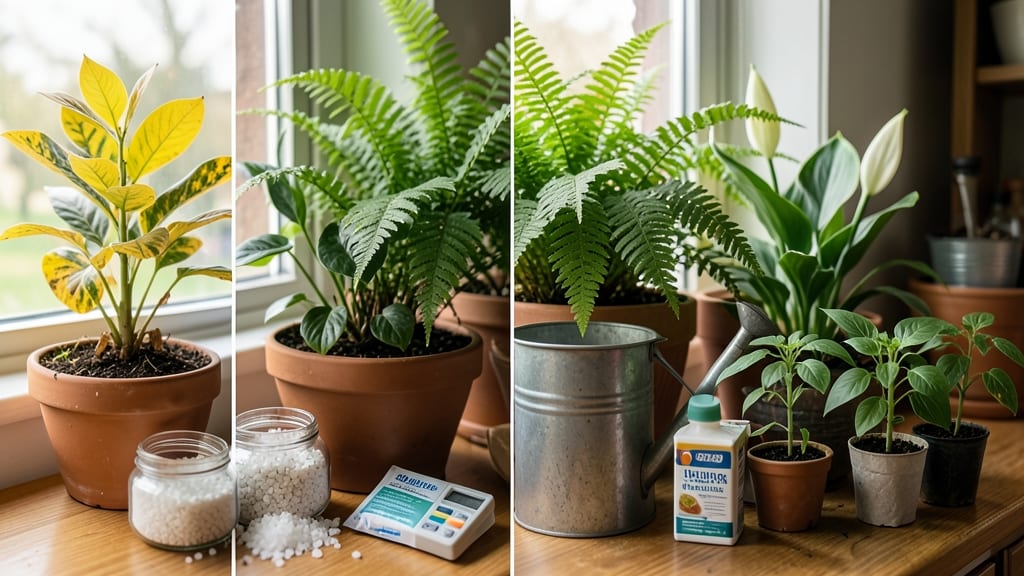
The myth about Epsom salt in gardens being a universal magnesium booster is just that—a myth. Most soils already contain adequate magnesium, and overapplying Epsom salt can actually harm soil chemistry and beneficial microbes. Only use it when soil tests reveal a confirmed deficiency, and even then, it's not the best solution.
Let me explain why this matters. 🌱 Most garden soils naturally contain enough magnesium for healthy plants, and Epsom salt's magnesium sulfate form isn't the most efficient way to deliver it.
The real issue is that excess sulfate from Epsom salt can disrupt soil pH balance and create imbalances that actually inhibit nutrient uptake. I've seen cases where gardeners used it monthly for "greener leaves," only to end up with stunted growth and yellowing foliage—a classic sign of nutrient lockout.
Instead of relying on Epsom salt, consider dolomitic lime for magnesium correction or organic compost to improve soil structure naturally. For houseplants, a diluted solution might help with deficiency symptoms, but vegetables and flowering plants rarely need it.
Always test your soil first—this simple step will save you from costly mistakes.
💡 In This Article
- How Epsom Salt Affects Plant Growth and Soil Health
- When and How to Use Epsom Salt in Your Garden
How Epsom salt affects plant growth and soil health
Magnesium plays a critical role in plants as the central atom in chlorophyll, the molecule responsible for photosynthesis. When plants absorb magnesium through their roots, it activates enzymes that convert carbon dioxide and sunlight into glucose.
However, Epsom salt (magnesium sulfate) isn't the most efficient magnesium source for most soils—it contains only about 9-10% magnesium by weight, with the rest being sulfate. The real issue is that sulfate ions can accumulate in soil, creating an imbalance that competes with other essential nutrients like calcium and potassium.
Research from the University of Georgia shows that excess sulfate from Epsom salt can lower soil pH over time, especially in sandy or acidic soils.
This shift disrupts microbial communities that help break down organic matter and release nutrients. 🌱 For example, a 1-pound application per 100 square feet (a common overuse amount) can raise sulfate levels to 200-300 ppm, which is far beyond what most plants need. The result?
Yellowing leaves between veins (interveinal chlorosis) that many gardeners mistakenly attribute to magnesium deficiency when it's actually a nutrient imbalance caused by the sulfate.
The foliar spray myth is particularly persistent. While magnesium can be absorbed through leaves, studies in Journal of Plant Nutrition show that foliar applications of Epsom salt are 5-10 times less efficient than root absorption.
The sulfate acts as a drying agent on leaf surfaces, creating a crust that blocks stomata (pores) and reduces photosynthesis. I've seen tomato plants develop brown leaf edges after Epsom salt sprays—a classic sign of salt burn—when a simple 1 teaspoon per gallon of water was used weekly.
Magnesium deficiency actually occurs most commonly in sandy, acidic soils or when heavy rains leach nutrients away. Soil tests reveal deficiency when magnesium levels drop below 100-150 ppm (measured via Mehlich-3 extraction).
In these cases, dolomitic lime (which provides magnesium carbonate) is a better amendment because it raises soil pH while adding magnesium without the sulfate burden. For container plants, a 1/4 teaspoon per gallon of potting mix of Epsom salt might help, but it's a band-aid solution—not a cure.
What most gardeners don't realize is that the "greener leaves" effect from Epsom salt is temporary and often a red herring. The sulfate initially stimulates growth by loosening soil structure, but within 4-6 weeks, plants may show deficiency symptoms in other nutrients like calcium or iron.
This is why I recommend soil testing before applying anything—it's the only way to know if magnesium is truly lacking or if you're about to create bigger problems.
Consider this: A 1-pound bag of Epsom salt costs about $2-$3 but provides only enough magnesium for 100 square feet at most—if your soil actually needs it.
The real solution lies in building healthy soil with compost and organic matter, which naturally improves magnesium availability without the risks of chemical imbalance. 💫