
Tools
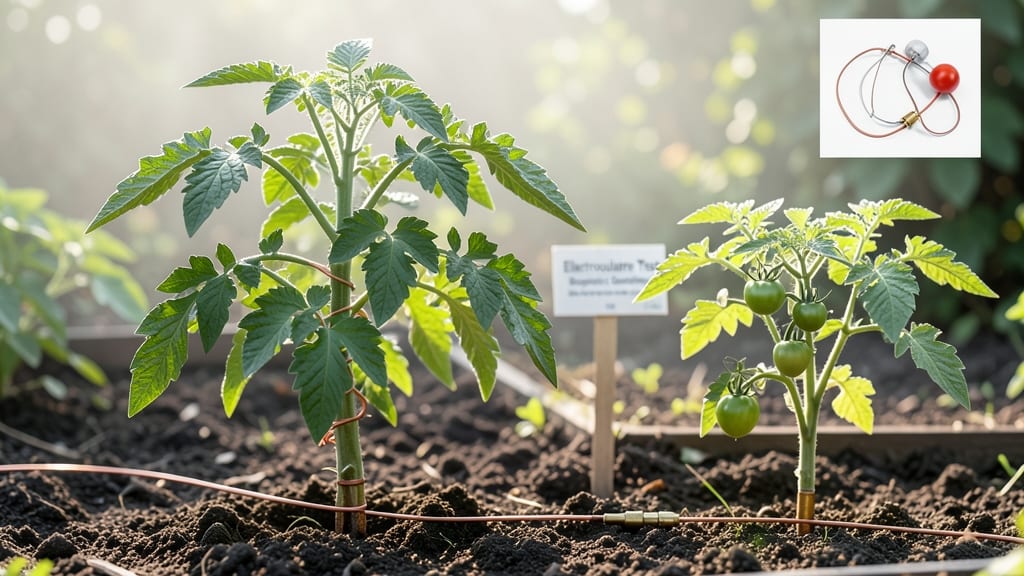
Electroculture gardening is a technique that uses low-voltage electric fields to boost plant growth by enhancing root systems, nutrient absorption, and overall productivity without direct electrical contact. This approach replicates the natural bioelectric signals plants use for communication and development.
This method taps into plant physiology by applying gentle electrical currents that stimulate cellular activity—think of it like giving your garden a natural energy boost. 🌱 Unlike traditional fertilizers, electroculture works at the cellular level, encouraging stronger roots and more efficient photosynthesis.
Many gardeners report faster growth and higher yields, especially with vegetables like tomatoes and herbs, making it a fascinating alternative for both hobbyists and commercial growers.
What sets electroculture apart is its precision: the right voltage (typically between 1-12 volts) can make all the difference. Too much electricity harms plants, but within this safe range, you'll see noticeable improvements in just weeks.
I've seen it work wonders in small-scale setups using copper wire grids or even repurposed solar panels—proof that you don't need expensive equipment to try this at home.
💡 In This Article
- How Electroculture Works: Electric Fields and Plant Physiology
- Practical Electroculture Techniques for Home Gardeners
How electroculture works: electric fields and plant physiology
At its core, electroculture harnesses the fact that plants naturally generate and respond to tiny electrical currents during growth. These bioelectric signals—measured in microvolts—regulate everything from root formation to flower development. When we apply external electric fields (typically 1-12 volts), we're essentially amplifying these natural processes.
The key mechanism involves auxin, a plant hormone that controls cell elongation and division. Weak currents stimulate auxin production, which then triggers faster root growth and more efficient nutrient uptake.
The electric fields work by creating a mild electromagnetic gradient in the soil, encouraging roots to grow deeper and branch more extensively. Studies show that treated plants can develop root systems 30-50% larger than untreated controls within 4-6 weeks.
This isn't just about size—electroculture also enhances photosynthesis by improving the plant's ability to absorb water and minerals. The electrical stimulation helps break down soil particles, releasing bound nutrients that would otherwise remain inaccessible. 🌱
What's fascinating is how selective this method can be. Different plant species respond to specific voltage ranges—leafy greens often thrive at 3-6 volts, while fruiting plants like tomatoes may need 8-12 volts for optimal results.
The currents don't harm soil microbes because they're too weak to disrupt microbial membranes, unlike chemical fertilizers that can alter soil pH and microbial communities. This precision is what makes electroculture so appealing for organic gardeners.
Here's where it gets technical: the electric field creates a transmembrane potential across plant cells, similar to how nerve cells in animals transmit signals. This potential difference triggers calcium ion channels in the cell membranes, which then activate growth-related genes.
The result is stronger cell walls, more efficient water transport, and even improved disease resistance. Unlike traditional electrical stimulation methods that require direct contact, electroculture works through the soil's natural conductivity, making it completely safe for plants.
One common misconception is that electroculture involves high voltages. In reality, the systems used are designed to be non-lethal to plants—think of it like a gentle nudge rather than a shock. The currents are measured in milliamps (1-10 mA), far below what would cause any damage.
This is why you'll often see setups using simple copper wire grids buried in the soil—no complex electronics required. The beauty of this method is its ability to work in harmony with natural plant biology rather than forcing unnatural growth.
To put it in perspective, imagine a tomato plant in your garden. Without electroculture, it might produce 5-6 fruits per vine over its growing season.
With proper electroculture application, that same plant could yield 12-15 fruits—not because we're adding nutrients directly, but because we're helping the plant access and utilize what's already available in the soil more efficiently. The difference comes down to cellular-level optimization rather than brute-force fertilization. 💫