I’ve always found solace in the dirt—whether it was sneaking tomatoes from my neighbor’s garden as a kid or helping my grandpa coax life out of stubborn seeds. This site is where I share the lessons I’ve learned from both successes and spectacular failures. My goal? To make gardening feel less like a chore and more like a conversation with the earth.
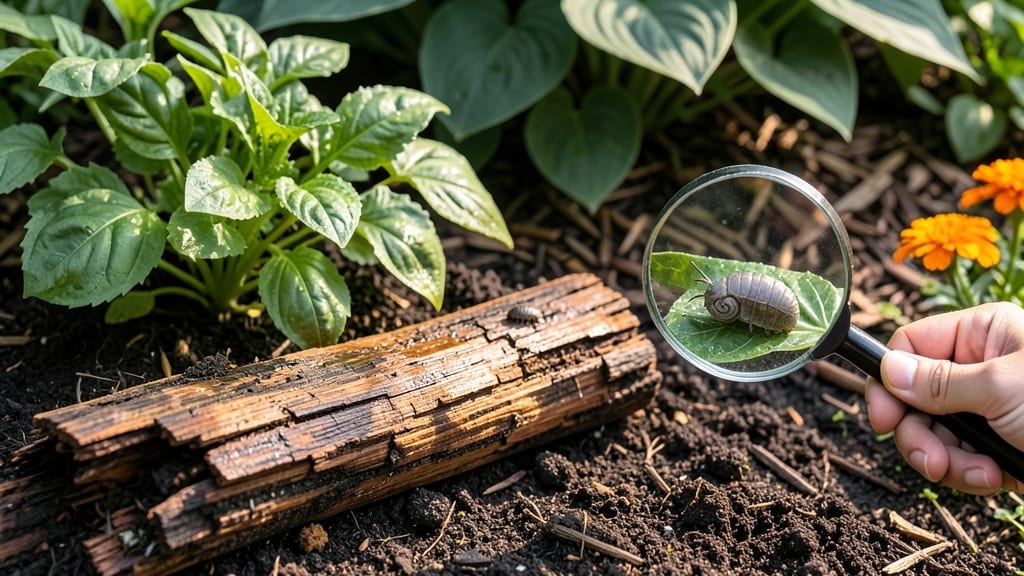
💥 Quick Answer Roly polys are not bad for gardens—they break down organic debris, improve soil aeration, and naturally control mold and decay. Their presence actually supports healthy ecosystems, though large numbers…
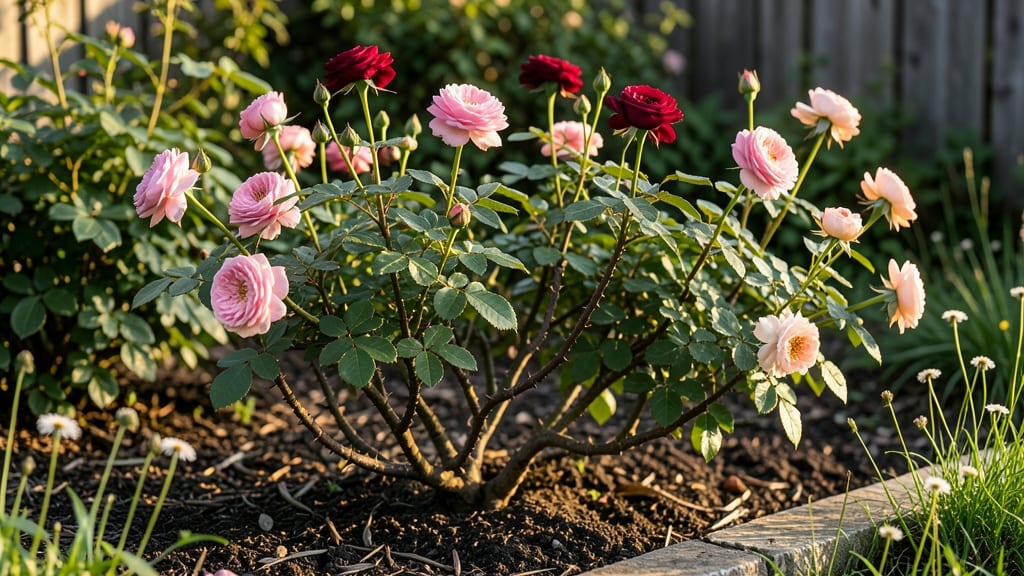
💥 Quick Answer The Rose Garden at Stanley Park spans 10 acres with over 5,000 roses, showcasing themed sections like the David Lam Garden and fragrant climbers. June offers the most vibrant blooms, while hidden pathways…
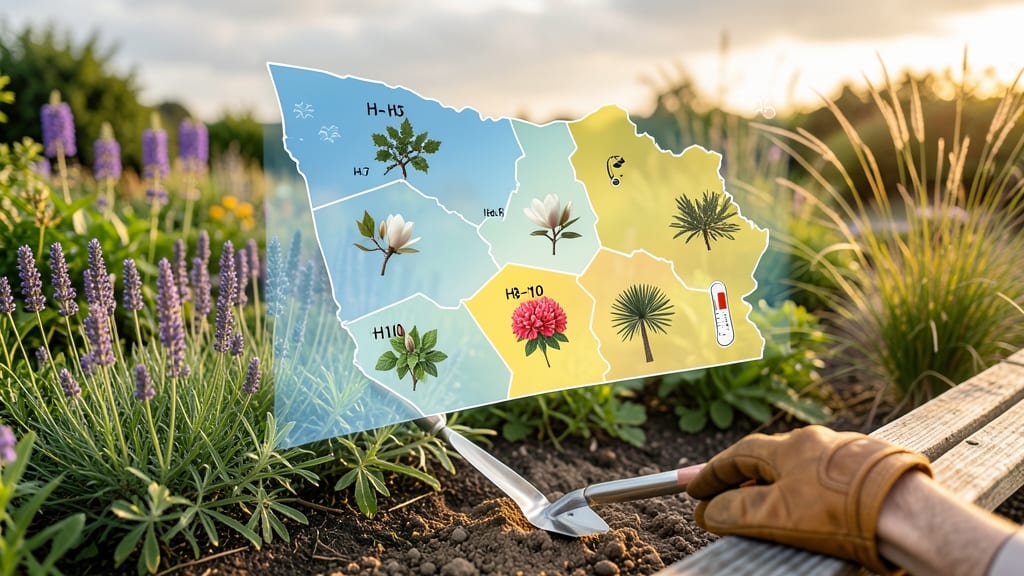
💥 Quick Answer UK garden zones classify regions by frost risk and winter temperatures, helping gardeners select hardy plants suited to local conditions—Zone 1 (coldest) to Zone 10 (mildest). Microclimates like walls or…
💥 Quick Answer The average size of a garden varies widely, with small urban plots typically spanning 100 to 500 square feet , suburban family gardens ranging from 500 to 1,500 square feet , and larger homestead or…
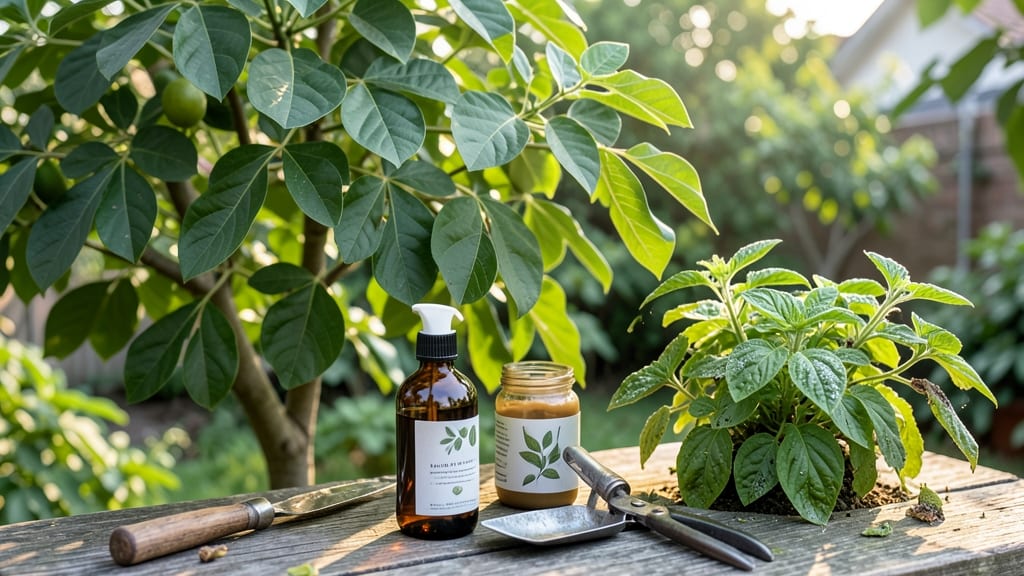
💥 Quick Answer Neem oil for organic gardening serves as a powerful natural fungicide, insect repellent, and plant growth enhancer by interfering with pests' life cycles and stopping fungal spores. Use it diluted (1-2…
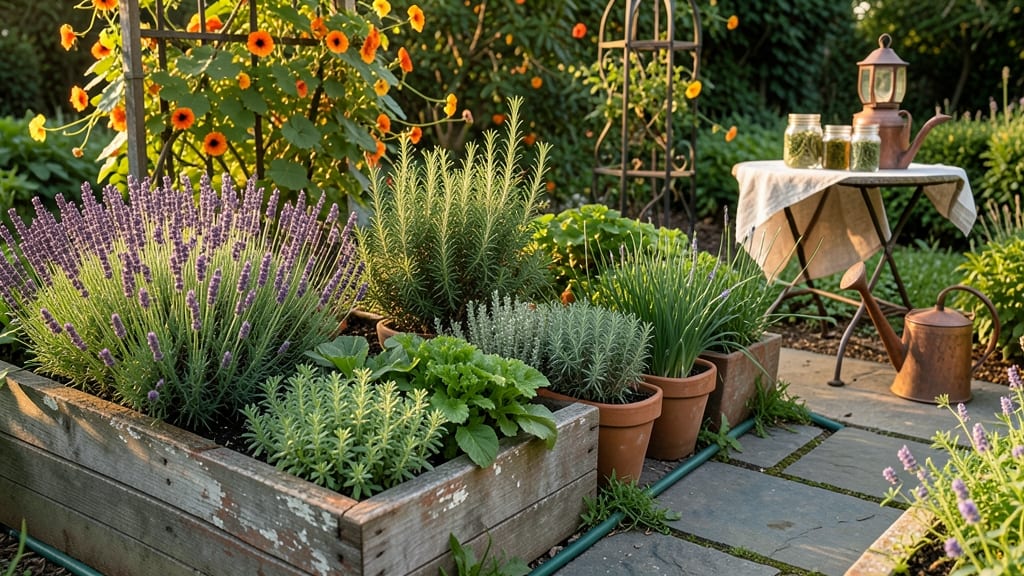
💥 Quick Answer The French Laundry culinary garden uses intentional herb pairings—like tarragon with poultry, thyme with root vegetables, and parsley with seafood—to create harmonious flavors that align with Chef Thomas…
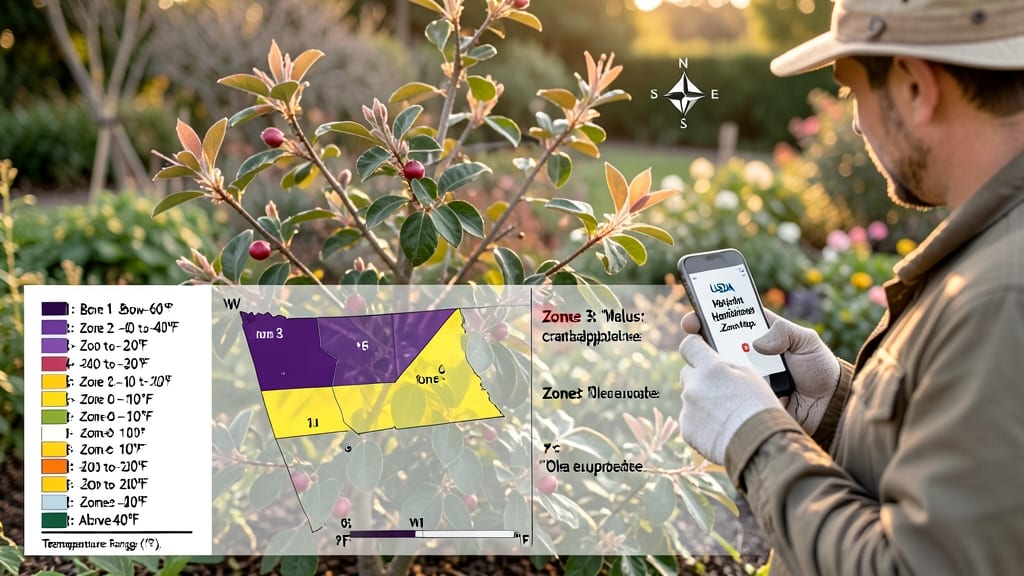
💥 Quick Answer Understanding gardening zones in North America helps you select plants that will thrive in your local climate by matching them to your specific hardiness zone (e.g., 5a–10b), which is based on the USDA…
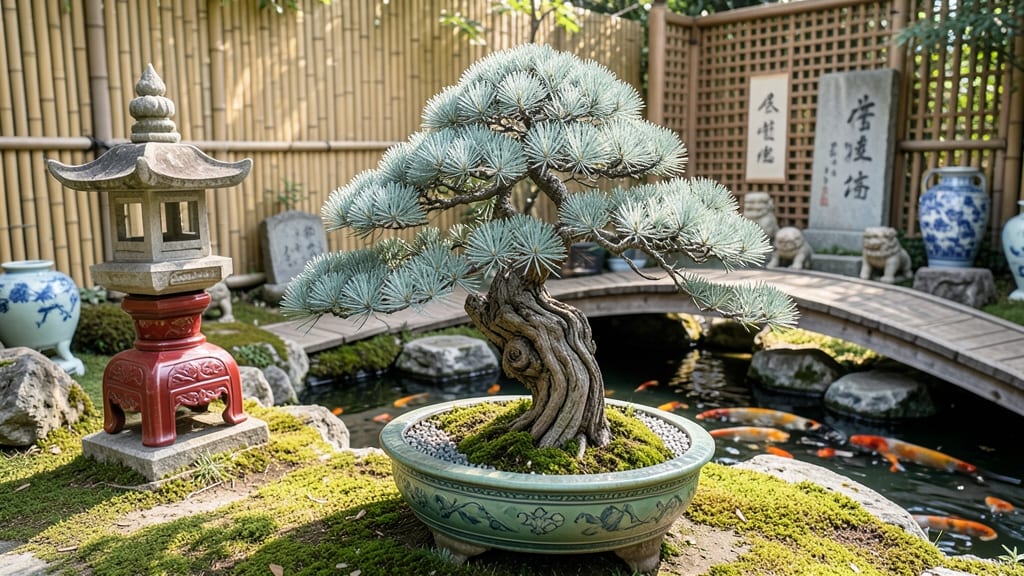
💥 Quick Answer The Chinese Scholar Garden in Staten Island, NY, offers a tranquil 3-acre escape where Ming Dynasty-inspired pavilions harmonize with meticulously curated gardens showcasing bamboo groves, plum blossoms…
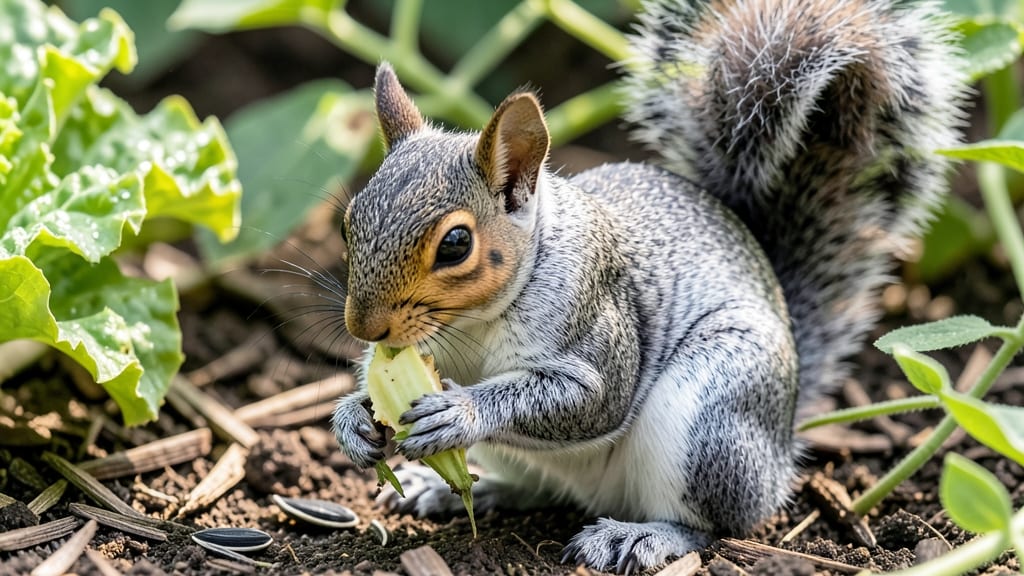
💥 Quick Answer Squirrels will eat your garden, especially tender greens, fruits, and vegetables like lettuce, tomatoes, and corn, but they avoid strongly scented or toxic plants such as daffodils, marigolds, and…