
Pests
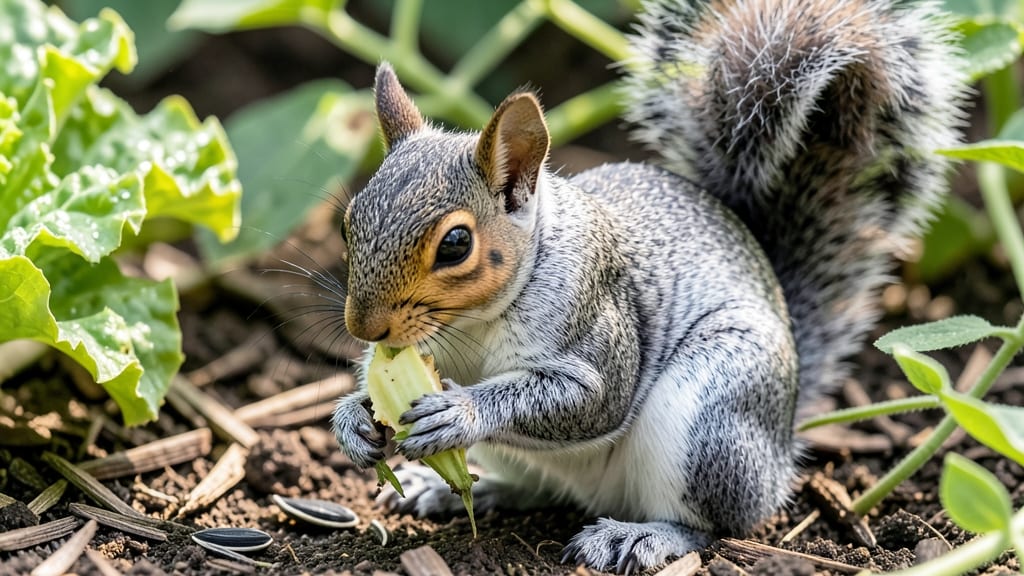
Squirrels will eat your garden, especially tender greens, fruits, and vegetables like lettuce, tomatoes, and corn, but they avoid strongly scented or toxic plants such as daffodils, marigolds, and alliums. Strategic plant selection and deterrents can minimize damage.
Squirrels are opportunistic foragers with a particular taste for nutrient-rich plants, especially those with high sugar or protein content. 🌱 They'll happily munch through young seedlings, ripe fruits, and soft vegetables, making your garden a prime target during spring and summer when food is abundant. The good news?
Their keen sense of smell and taste makes them steer clear of pungent or bitter plants like marigolds or garlic, which contain natural compounds that repel them. I've found that combining squirrel-resistant plants with physical barriers—like chicken wire around vulnerable areas—can dramatically reduce damage while keeping your garden thriving.
For the most effective protection, focus on layering defenses. Planting strongly aromatic herbs like rosemary or thyme near high-value crops creates a natural deterrent, while motion-activated sprinklers or reflective tape can startle them away.
Even simple solutions like burying hot pepper flakes around plant bases work surprisingly well. The key is consistency—squirrels learn quickly, so rotating deterrent methods keeps them guessing.
💡 In This Article
- Why Squirrels Target Certain Garden Plants
- Natural Deterrents and Plant Choices to Repel Squirrels
Why squirrels target certain garden plants
Squirrels are drawn to plants with high nutritional value—particularly those rich in carbohydrates and proteins. 🌱 Their natural diet includes nuts, seeds, and fruits, so they instinctively seek out garden crops like corn (which contains 15-20% protein in kernels), tomatoes (high in natural sugars), and lettuce (soft and easy to digest).
The texture matters too: young, tender shoots are far more appealing than mature, fibrous plants. This is why you'll often see them targeting newly sprouted seedlings or ripe fruits that are soft to the touch.
The science behind their avoidance of certain plants lies in chemical compounds. Squirrels have an acute sense of smell and taste, which makes them steer clear of plants with strong odors or bitter flavors. For example, marigolds contain pyrethrins, a natural insect repellent that squirrels find unpleasant.
Similarly, alliums (like garlic and onions) produce thiosulfinates, which give them a pungent aroma that squirrels avoid. Even the physical structure of some plants, like thorny roses or prickly cacti, acts as a natural deterrent by making access difficult and uncomfortable.
Seasonal changes also influence their foraging behavior. During spring and early summer, when natural food sources are scarce, squirrels become more aggressive in raiding gardens. 🌿 They'll target high-calorie crops like berries and peas, which provide quick energy.
However, as summer progresses and their preferred foods (like acorns and nuts) become available, their interest in garden plants often wanes. Understanding this pattern helps gardeners time their planting and protection strategies effectively.
Another critical factor is moisture content. Squirrels prefer plants with high water content, like cucumbers or melons, which are juicy and easy to eat. This is why you might notice them chewing through vines or biting into ripe fruits rather than dry, woody stems.
The contrast in texture and moisture makes these crops irresistible, while drier, tougher plants (like kale or Brussels sprouts) are less likely to be targeted.
What most people don't realize is that squirrels also learn from experience. If they encounter a plant that makes them sick—like foxglove, which contains toxic compounds—they'll avoid it in the future. This is why rotating crops and introducing new plants can sometimes confuse them and reduce damage over time. 🐿️
For gardeners, this means that a combination of plant selection and strategic placement can significantly reduce squirrel activity. For instance, planting rosemary or thyme near vulnerable crops creates a natural barrier that squirrels avoid due to the strong scent.
The key is to understand their preferences and use both chemical and physical deterrents to protect your harvest.
Finally, consider the visual cues squirrels respond to. Brightly colored fruits (like red tomatoes or purple eggplants) are more likely to catch their attention than green or brown produce.
This is why some gardeners recommend harvesting crops as soon as they ripen or using netting to cover plants before they become too appealing. 🌱