
Pests
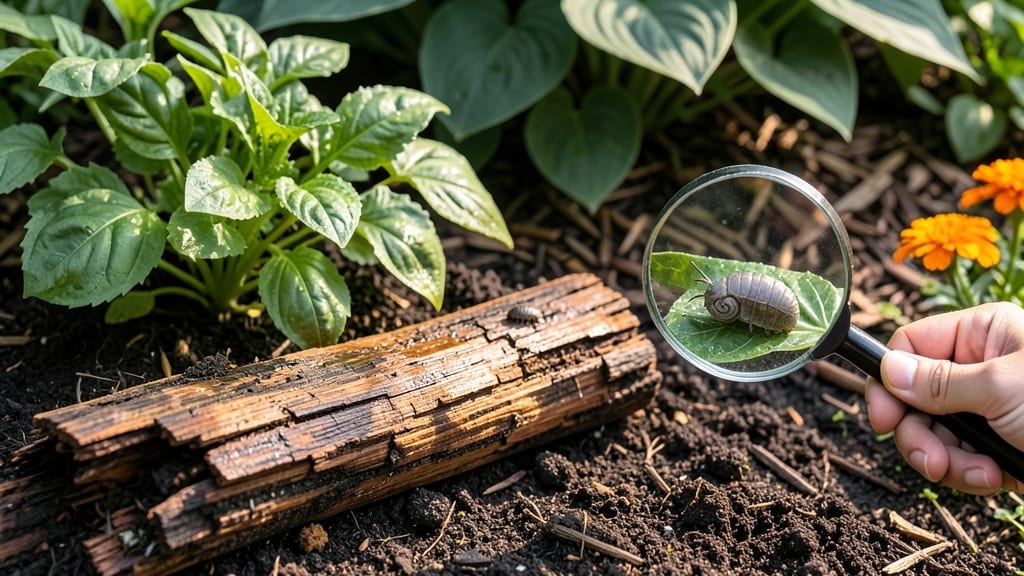
Roly polys are not bad for gardens—they break down organic debris, improve soil aeration, and naturally control mold and decay. Their presence actually supports healthy ecosystems, though large numbers may signal excess moisture or decaying matter that needs addressing.
These little armored critters are nature's cleanup crew, feasting on dead leaves, rotting wood, and fungal growth. 🔥 Their tunneling activities aerate compacted soil while their waste enriches it with nutrients—basically turning garden waste into fertilizer.
The only time they become a concern is when you spot them in massive numbers, which usually means your garden has too much damp mulch or decaying plant material. Instead of removing them, focus on improving drainage or reducing organic buildup to create a more balanced environment.
Think of them like tiny, beneficial composters—they're doing your garden a favor by keeping things clean and cycling nutrients. Most gardeners only need to intervene when pill bugs start appearing indoors or when their numbers seem excessive, which is rare in well-maintained gardens.
The key is understanding they're part of a healthy ecosystem rather than pests to eradicate.
💡 In This Article
- How Pill Bugs Benefit Garden Soil and Plant Health
- When to Manage Pill Bug Populations in Your Garden
How pill bugs benefit garden soil and plant health
Pill bugs (roly polys) act as natural decomposers, breaking down dead leaves, twigs, and other organic debris through their powerful mandibles. Their diet primarily consists of cellulose-rich materials, which they digest with the help of gut microbes that produce enzymes capable of breaking down tough plant fibers.
This process recycles nutrients back into the soil, creating a natural composting effect that enriches plant growth.
One of their most valuable contributions is soil aeration. As they tunnel through the soil, pill bugs create small channels that improve water penetration and root development.
Studies show their activity can increase soil porosity by up to 20% in compacted areas, making it easier for plants to establish strong root systems. Their presence also helps suppress harmful fungal growth by consuming mold and decaying plant matter that could otherwise harbor plant diseases.
Their waste products, known as frass, contain valuable nitrogen and phosphorus compounds that act as slow-release fertilizer. Unlike chemical fertilizers, this nutrient release happens gradually, promoting long-term soil fertility.
For example, a single pill bug can process about 0.1-0.2 grams of organic matter per day, which translates to significant nutrient cycling in garden beds with healthy populations.
What makes them particularly beneficial is their role in maintaining ecological balance. Pill bugs help control populations of other decomposers by outcompeting less beneficial species like certain beetles or flies.
Their presence indicates a healthy soil food web where organic matter is being actively recycled rather than accumulating and potentially becoming a breeding ground for pests or pathogens.
You'll often find them thriving in leaf litter layers where they create microhabitats that support other beneficial organisms like springtails and mites. Their activity helps prevent thatch buildup in lawns and garden beds, which can otherwise smother grass roots and create anaerobic conditions.
The slimy trails they leave behind are actually a sign of their active decomposition work—this moisture helps maintain optimal soil humidity levels for plant roots.
For gardeners concerned about aesthetics, remember that pill bugs are most active at night and during damp conditions. Their daytime presence is usually minimal unless populations are extremely high. The key benefit is that they perform essential ecosystem services that would otherwise require human intervention or chemical treatments.