I’ve always found solace in the dirt—whether it was sneaking tomatoes from my neighbor’s garden as a kid or helping my grandpa coax life out of stubborn seeds. This site is where I share the lessons I’ve learned from both successes and spectacular failures. My goal? To make gardening feel less like a chore and more like a conversation with the earth.
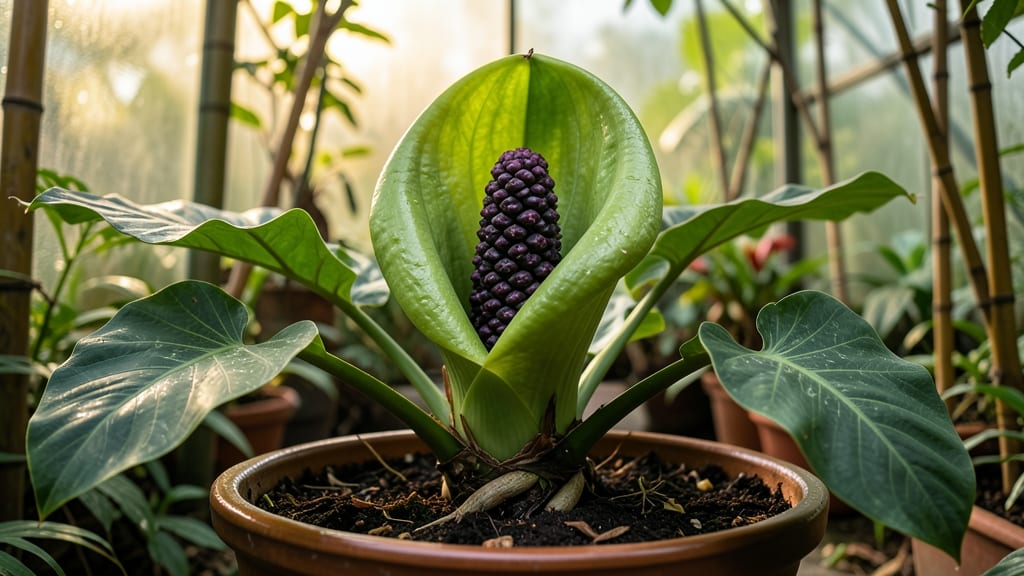
💥 Quick Answer Visitors to botanic gardens may witness the corpse flower's dramatic blooming—an event that occurs unpredictably every 7-10 years, driven by the plant's maturity, temperature shifts, and precise humidity…
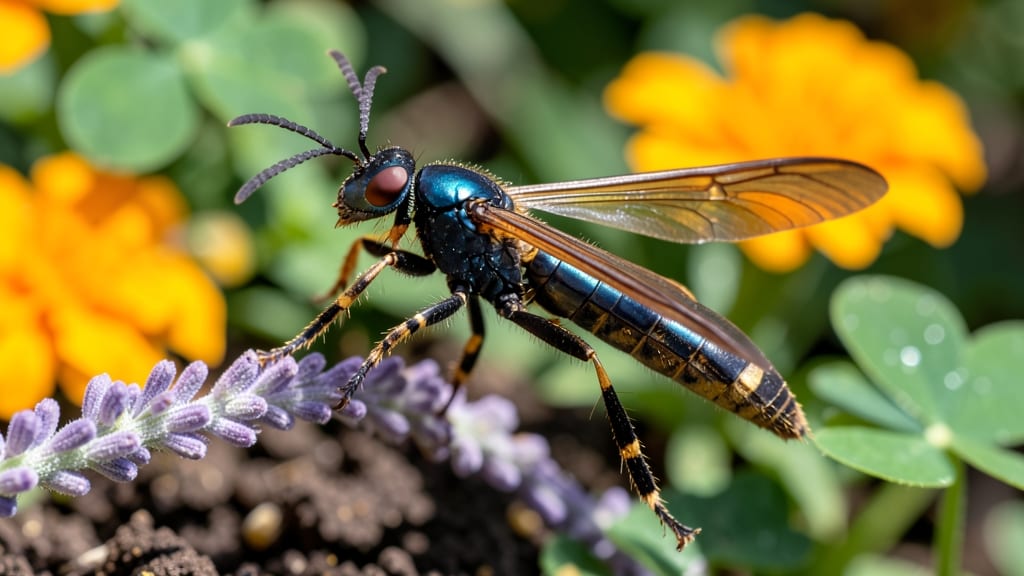
💥 Quick Answer What eats ants in the garden includes natural predators like birds such as chickadees and robins, beneficial insects like ground beetles and lacewings, and small mammals like toads and shrews. These…
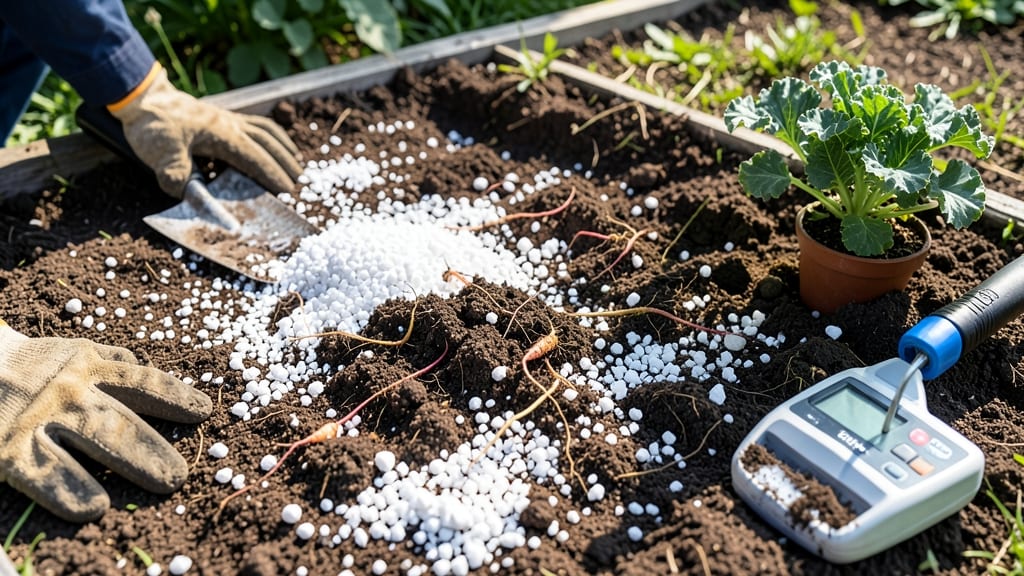
💥 Quick Answer Using calcium carbonate in gardening effectively raises soil pH to neutralize acidity, creating optimal conditions for acid-sensitive plants like blueberries or azaleas. For best results, apply 1-2 pounds…
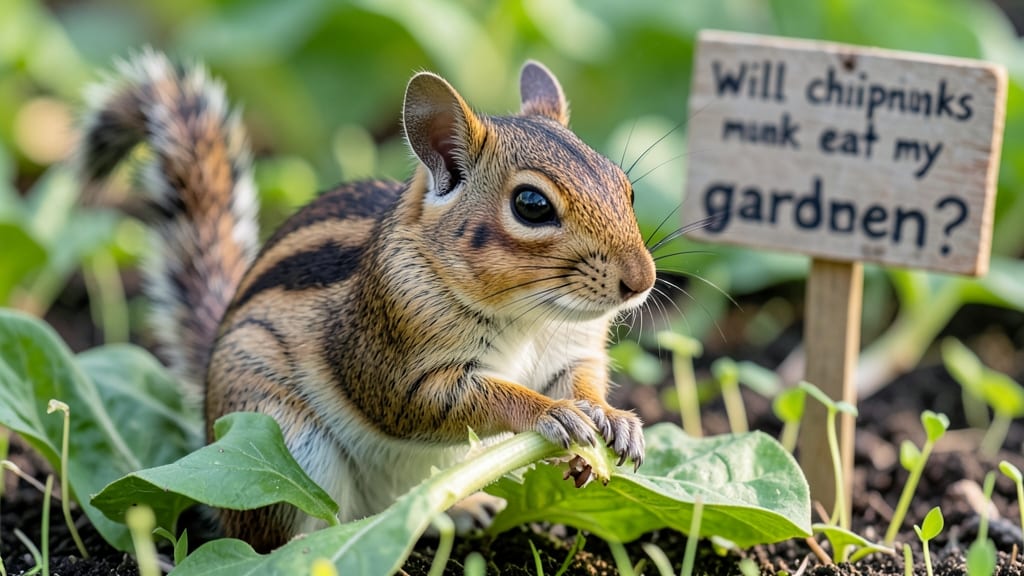
💥 Quick Answer Yes, chipmunks will eat your garden, especially fruits, vegetables, seeds, and tender greens like lettuce, beans, and corn. Their relentless foraging can quickly destroy young plants, bulbs, and even tree…
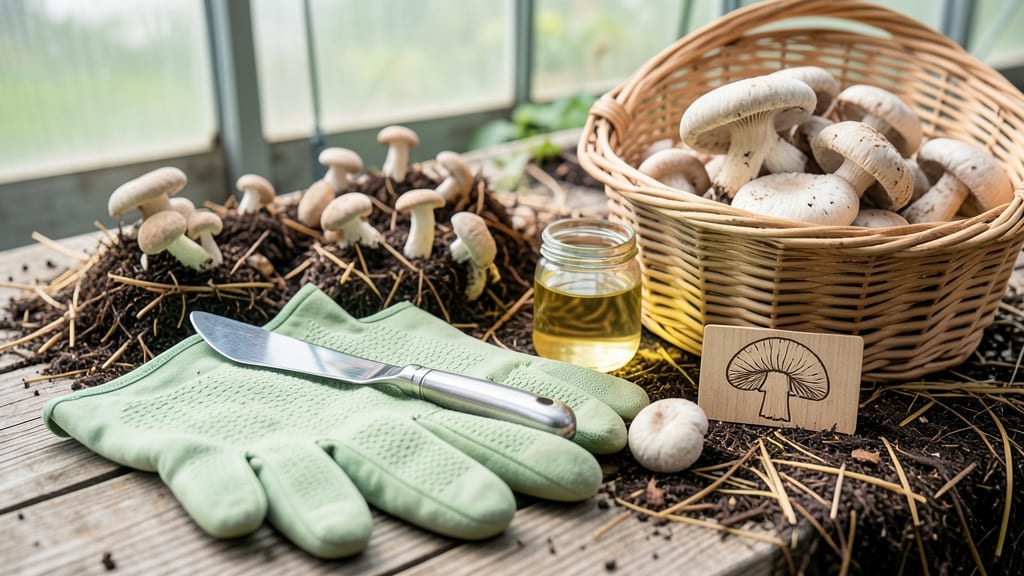
💥 Quick Answer The question of whether garden mushrooms are poisonous depends on their source and cultivation practices. Store-bought kits or organic sources are typically safe, but wild or improperly grown varieties…
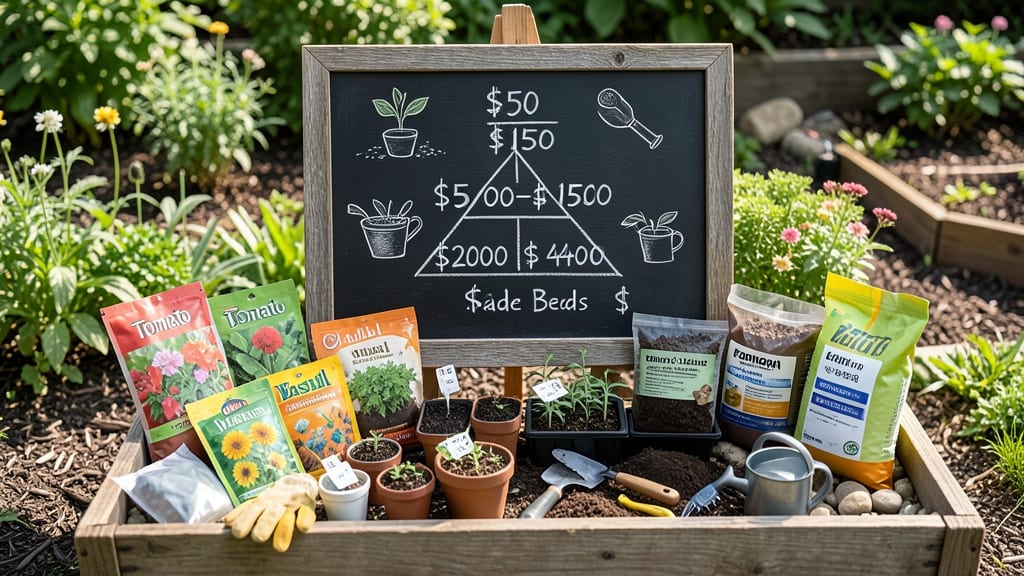
💥 Quick Answer Starting a garden costs between $50 and $500+ , depending on whether you use seeds ($20–$100) or seedlings ($50–$300+), soil quality, tools, and plant selection. Container gardens start cheaper, while…