
Neem Oil
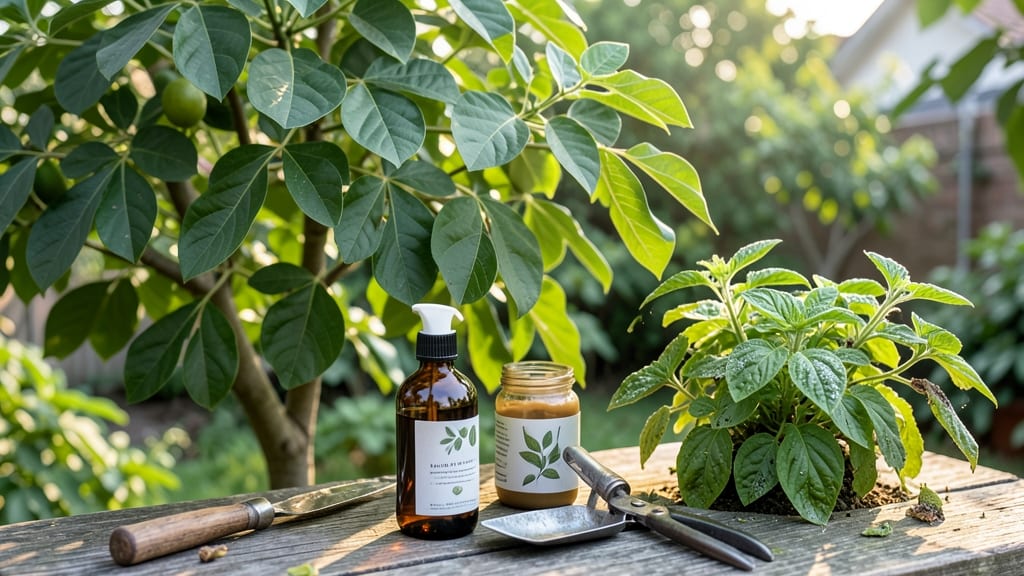
Neem oil for organic gardening serves as a powerful natural fungicide, insect repellent, and plant growth enhancer by interfering with pests' life cycles and stopping fungal spores. Use it diluted (1-2 teaspoons per quart of water) in the evening to protect beneficial insects, targeting leaf undersides and stems for best results.
Neem oil's magic comes from its active compounds like azadirachtin, which disrupts insects' molting and feeding patterns while preventing fungal spores from germinating. 🌱 This makes it a triple-threat solution for organic gardeners looking to avoid synthetic chemicals.
I've seen it work wonders on powdery mildew and aphid infestations when applied consistently, though it's important to rotate with other organic treatments to prevent resistance.
For best results, mix neem oil with water and a drop of dish soap as an emulsifier, then apply during cooler evening hours when bees and other pollinators are less active.
The key is persistence—reapply every 7-14 days during active growing seasons, especially after rain or heavy watering that washes it away.
💡 In This Article
- How Neem Oil Disrupts Pests and Fungal Growth
- Optimal Neem Oil Application Rates and Timing
How neem oil disrupts pests and fungal growth
The real power of neem oil lies in its complex biochemical profile, particularly two compounds: azadirachtin and nimbin. Azadirachtin works like a natural insect growth regulator by mimicking the hormone ecdysone, which insects need to molt.
When pests ingest or come into contact with treated plants, this compound confuses their hormonal signals, preventing proper development and reproduction. For example, aphids exposed to neem oil often fail to mature into adults, breaking their life cycle within days. 🔥
Nimbin, another key compound, acts as a fungicide by inhibiting the germination of fungal spores. It disrupts the cell membranes of fungal pathogens like powdery mildew and black spot, causing them to leak essential nutrients and die.
Studies show nimbin can reduce fungal growth by up to 85% when applied at the right concentration. The oil also contains salannin, which repels insects by masking plant odors that attract pests—like a natural camouflage for your garden.
What makes neem oil unique is its systemic nature. When applied correctly, these compounds don't just sit on the surface—they're absorbed into the plant's tissues, providing 2-4 weeks of protection. This is why you'll see long-lasting results even after a single application during the growing season.
The oil also stimulates plants' natural defenses by increasing production of phenolic compounds, which act as antioxidants and further repel pests.
However, the effectiveness depends on proper application. Neem oil works best when it makes direct contact with pests or fungal spores, which is why undersides of leaves and stems are critical targets. Aphids, mites, and whiteflies often hide there, and fungal spores love to settle on moist surfaces.
The oil's sticky texture helps it adhere to these areas, creating a protective barrier that lasts through light rain but should be reapplied after heavy downpours.
One common misconception is that neem oil kills pests instantly—it doesn't. Instead, it disrupts their life cycles over time, which is why consistent application is key.
For example, spider mites may still appear for a few days after treatment, but their populations will crash within 7-10 days as their eggs fail to hatch. This gradual approach makes neem oil safer for beneficial insects compared to synthetic pesticides that cause immediate, broad-spectrum kills.
For fungal issues like powdery mildew, neem oil prevents new spores from forming rather than curing existing infections. That's why early intervention is crucial—once fungal threads (hyphae) penetrate plant tissues, neem oil becomes less effective.
The oil's antifungal properties work best as a preventative measure during humid conditions when spores are most active.
What most gardeners don't realize is that neem oil also contains triterpenoids, which have mild antibacterial properties. While not its primary function, these compounds help reduce bacterial leaf spot and other minor infections.
The combination of these active ingredients makes neem oil one of the most versatile organic treatments available—though it does require patience and proper technique to work at its full potential. ✨