
Tools
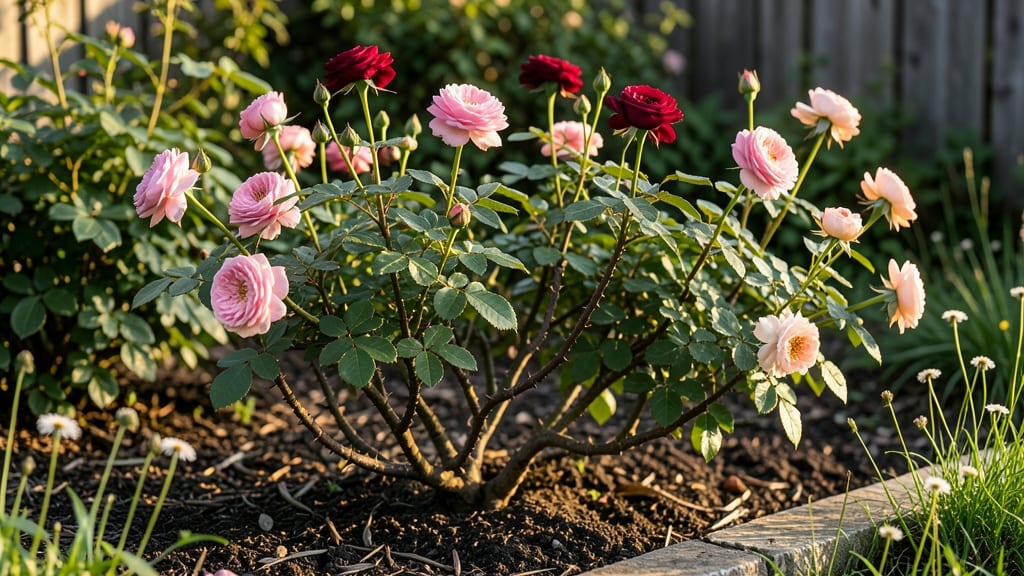
The Rose Garden at Stanley Park spans 10 acres with over 5,000 roses, showcasing themed sections like the David Lam Garden and fragrant climbers. June offers the most vibrant blooms, while hidden pathways near the west entrance reveal quieter seasonal displays.
The Rose Garden at Stanley Park isn't just a collection of flowers—it's a carefully curated experience. 🌹 Each section tells a story, from the David Lam Garden, designed for year-round interest, to the fragrant climbers that perfume the air during summer walks.
The garden's layout also includes heritage roses, adding historical depth to every stroll. What many visitors don't realize is how the garden's design incorporates native plants alongside roses, creating a balanced ecosystem that thrives year-round.
Timing your visit matters just as much as the location.
While June brings peak blooms, early morning visits avoid crowds and capture the best light for photography. 🌞 The garden's hidden pathways near the west entrance often feature unexpected seasonal displays, from winter berries to spring bulbs, making off-season visits equally rewarding.
Pro tip: Check the garden's maintenance schedule—some sections undergo seasonal transformations that aren't widely advertised.
💡 In This Article
- Stanley Park Rose Garden Layout and Themed Sections
- Best Times to Visit Stanley Park’s Rose Garden
Stanley Park rose garden layout and themed sections
The Rose Garden at Stanley Park is organized into distinct themed sections, each designed to showcase different aspects of rose cultivation and horticulture. The David Lam Garden, occupying about 2.5 acres, is a standout feature with its modern design that emphasizes year-round interest through carefully selected plantings.
This section includes 1,200 roses alongside native shrubs and perennials, creating a balanced ecosystem that supports local pollinators while providing visual appeal throughout all seasons.
One of the garden's most captivating areas is dedicated to fragrant roses, where over 300 varieties are planted specifically for their intoxicating scents. These roses are strategically placed along pathways to create a sensory experience as visitors walk through.
The garden also features a heritage rose collection with over 150 historic varieties, including rare specimens from the 19th century that showcase the evolution of rose breeding. 🌹 What makes this collection special is how it preserves genetic diversity while demonstrating the artistry of Victorian-era horticulturists.
The garden's layout incorporates seasonal blooming patterns that ensure continuous color from early spring to late fall. For example, the spring section features early bloomers like 'Iceberg' and 'Julia Child', while summer highlights include 'Double Delight' and 'Knock Out' roses that thrive in Vancouver's mild climate.
The fall section often includes late-season varieties like 'The Fairy' and 'William Shakespeare', which maintain vibrant blooms well into October. This careful planning means visitors can enjoy roses in bloom for nearly 8 months of the year.
Historically, the garden was established in 1969 as part of Stanley Park's centennial celebrations, designed by landscape architect Connie Gebhard. The original layout followed traditional rose garden designs with geometric beds, but modern expansions have incorporated more naturalistic planting styles.
One unique feature is the rose archway near the main entrance, constructed from 20-year-old 'New Dawn' climbers that create a dramatic floral tunnel during peak bloom season. This arch serves as both a functional entrance and a photographic centerpiece.
What many visitors overlook are the hidden pathways that connect the main sections, particularly near the garden's west entrance. These lesser-known routes often lead to seasonal displays that change with the year.
In winter, you might find holly bushes and winter jasmine creating natural frames, while spring brings daffodils and tulips planted among the rose beds. These pathways also offer shaded seating areas perfect for quiet contemplation away from the main crowds. 💫
The garden's design incorporates several sustainable practices that contribute to its long-term health. Drip irrigation systems deliver water directly to plant roots, reducing waste by 40% compared to traditional sprinklers.
Soil amendments like compost and mycorrhizal fungi enhance nutrient uptake, while beneficial insect habitats are strategically placed to control pests naturally. These practices ensure the garden remains vibrant while minimizing environmental impact—a model for urban horticulture.