
Tools
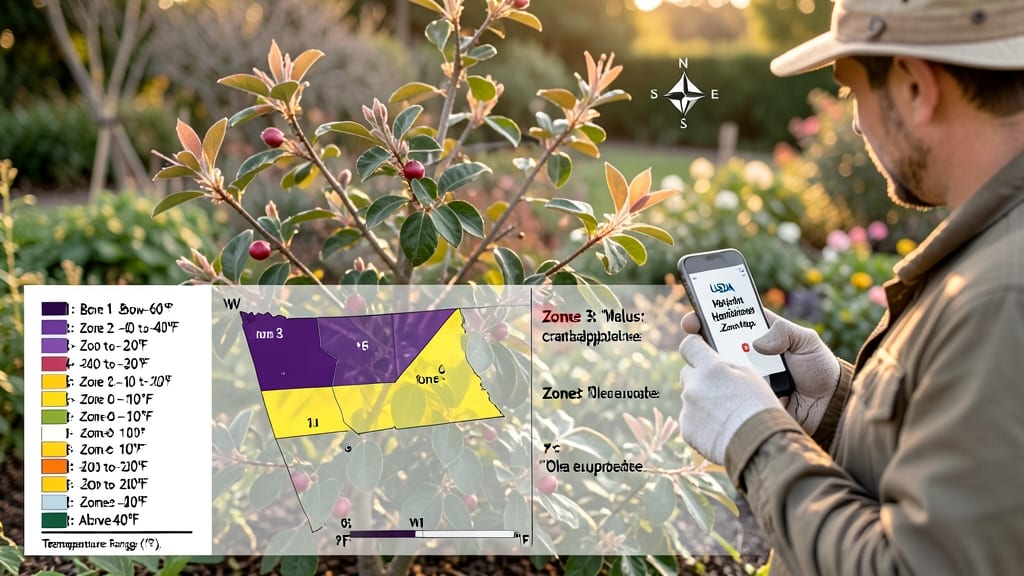
Understanding gardening zones in North America helps you select plants that will thrive in your local climate by matching them to your specific hardiness zone (e.g., 5a–10b), which is based on the USDA Plant Hardiness Zone Map and average winter lows.
These zones, calculated in 10°F increments, create a reliable framework for predicting which perennials, shrubs, and trees can survive your area's coldest winters. 🌱 For example, a Zone 6a plant can tolerate temperatures down to -10°F, while Zone 8b plants handle 15°F lows.
The map has been updated to reflect climate change impacts, with some regions shifting zones upward by 1-2 levels since the last revision.
Finding your exact zone is simple: use the interactive USDA map or apps like Gardenate to pinpoint your location. Remember, your yard might have microclimates—sunny slopes or sheltered corners—that can support slightly tender plants.
For instance, a Zone 7a garden might safely grow a Zone 8 plant near a south-facing wall, where winter temperatures stay milder.
💡 In This Article
- How USDA Plant Hardiness Zones Determine Plant Survival
- Finding Your Exact Gardening Zone: Step-by-Step Guide
How USDA plant hardiness zones determine plant survival
The USDA Plant Hardiness Zone Map divides North America into zones based on the average annual minimum temperature over a 30-year period. Each zone represents a 10°F range—for example, Zone 5a spans -20°F to -15°F, while Zone 8b covers 15°F to 20°F.
This system helps gardeners match plants to their climate by predicting the lowest temperatures plants can withstand during dormancy, typically winter for most regions. 🌡️
Plants enter dormancy when temperatures drop, slowing metabolic processes to conserve energy. The zone map accounts for how far a plant can safely tolerate this dormancy—like how a Zone 6a shrub might survive -10°F but struggle in Zone 4a (-30°F).
Transition zones (e.g., 6b/7a) require extra caution because plants in these areas may face borderline conditions. For instance, a Zone 7a plant’s roots might survive 0°F, but its top growth could get damaged in a -5°F snap.
Climate change has shifted these zones upward—some areas now fall into 1-2 warmer zones than previous maps. For example, parts of Zone 5b in the Midwest may now behave like Zone 6a due to milder winters.
This means older gardening guides might overestimate cold tolerance. Always check the 2023 USDA map for the most accurate data, as it reflects recent temperature trends.
Microclimates add another layer of complexity. A north-facing slope in Zone 6b might stay 5°F colder than the surrounding area, while a south-facing wall could create a Zone 8 microclimate in a Zone 7 yard.
Pay attention to these variations—your garden’s specific conditions can make a 3-5°F difference in plant survival.
Here’s how zones break down in practice:
- Zone 3-5: Cold-hardy plants like sugar maples and blueberries thrive here, where winters dip below -20°F.
- Zone 6-8: Classic perennials like daylilies and roses excel, with winters ranging from -10°F to 20°F.
- Zone 9-11: Tropical plants like bougainvillea or citrus trees survive year-round in these frost-free or minimal-frost zones.
Understanding these zones helps you avoid costly mistakes—like planting a Zone 5 peony in Zone 3, where it’ll likely die back to the ground. The map isn’t just about survival; it’s about optimal growth. For example, a Zone 7 garden might grow roses more vigorously than a Zone 5 one, even if both zones support them. 🌿