
Featured
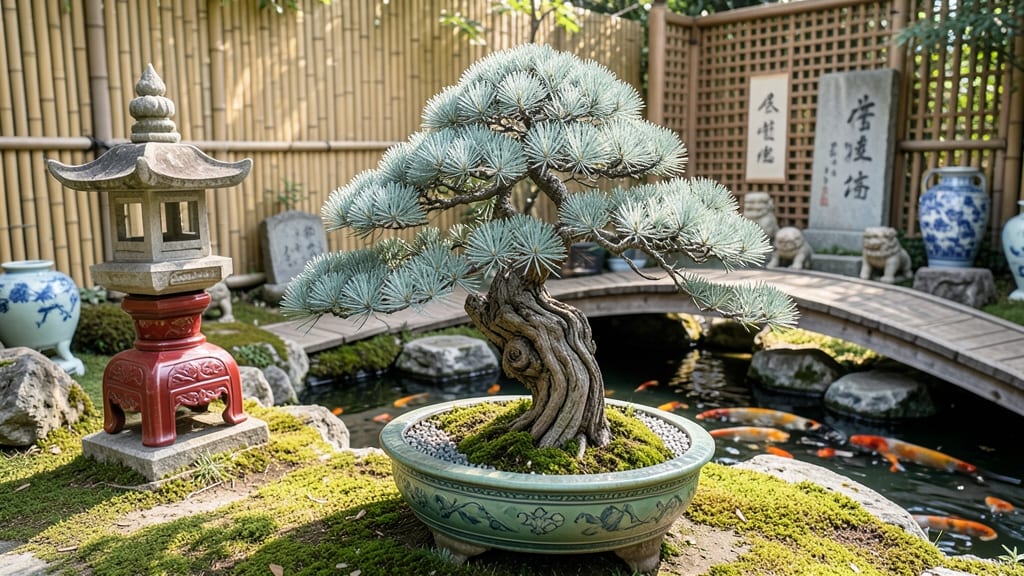
The Chinese Scholar Garden in Staten Island, NY, offers a tranquil 3-acre escape where Ming Dynasty-inspired pavilions harmonize with meticulously curated gardens showcasing bamboo groves, plum blossoms, and wisteria, all framed by serene ponds and winding stone paths.
The Chinese Scholar Garden in Staten Island, NY, isn't just a botanical escape—it's a living lesson in traditional Chinese aesthetics. 🌿 The garden's layout mirrors classical scholar retreats, where every element, from the arched bridges to the moon-viewing pavilions, serves a purpose in creating balance and harmony.
What makes this space unique is how it transforms with the seasons: spring brings delicate cherry blossoms, while autumn reveals fiery maple leaves, all while maintaining that signature Ming Dynasty elegance throughout.
Beyond its visual beauty, the garden's plant selection tells a story of cultural symbolism. Each species was chosen for its feng shui properties—bamboo for adaptability, plum blossoms for perseverance, and lotus flowers for purity—creating an environment that feels both meditative and deeply connected to nature.
The stone pathways, designed for contemplative strolls, invite visitors to experience the garden's philosophy firsthand.
💡 In This Article
- How Chinese Scholar Garden’s Plant Selection Reflects Traditional Feng Shui
- Best Times to Visit Chinese Scholar Garden for Rare Plant Displays
How Chinese scholar garden’s plant selection reflects traditional feng shui
The garden's botanical choices aren't random—they're carefully selected to embody feng shui principles that promote harmony and positive energy flow. Bamboo, for instance, dominates the landscape because its vertical growth symbolizes flexibility and adaptability in Chinese culture.
The 15-foot-tall clumps you'll see near the central pavilion aren't just decorative; their hollow stems allow wind to pass through, representing the feng shui concept of "chi" (life force) circulating freely through the space. 🌿
Plum blossoms, which bloom in late winter, were intentionally placed near the garden's eastern entrance because they symbolize resilience and renewal—a perfect feng shui match for welcoming visitors with positive energy.
The garden's 30-year-old plum trees produce fragrant white flowers that create a sensory experience aligning with the feng shui principle of "seeing beauty" (a key element in traditional garden design).
Meanwhile, the lotus flowers in the central pond represent purity and enlightenment, their roots growing in mud yet blooming above water—a perfect metaphor for spiritual growth.
Seasonal transformations play a crucial role in maintaining this feng shui harmony.
During spring, the garden's 200 wisteria vines create cascading purple curtains that soften harsh light and encourage gentle energy flow, while autumn's fiery maple leaves (carefully selected for their vibrant red hues) are believed to activate the "fire" element in feng shui, promoting warmth and vitality.
The garden's designers even positioned the 12-foot stone lanterns along pathways to guide visitors through these seasonal energy shifts. 🍁
What makes this particularly fascinating is how the garden's water features integrate with these plants. The 1,200-square-foot central pond isn't just decorative—its placement between the bamboo groves and plum trees creates a "water mirror" effect that feng shui experts believe doubles the positive energy of surrounding elements.
The gentle ripples from the koi pond (home to 15 koi fish) are said to represent flowing prosperity, while the still water near the lotus flowers enhances their spiritual symbolism.
The stone pathways, deliberately uneven in places, serve a dual purpose: they guide visitors through the garden's energy flow while encouraging mindful walking—a key feng shui practice.
The 3-inch-wide gaps between stones allow for natural ventilation, preventing stagnant energy, while the winding paths create a journey that mirrors the natural progression of seasons and life cycles. This thoughtful design ensures every visit feels like a moving meditation. ✨
Perhaps most intriguing is how the garden's nighttime displays maintain this feng shui harmony. During summer evenings, 500 solar-powered lanterns are strategically placed to highlight key plant groupings, creating what feng shui practitioners call "light paths" that guide energy flow.
The soft glow from these lanterns (designed to mimic traditional Chinese paper lanterns) enhances the garden's tranquil atmosphere while subtly reinforcing the feng shui principle of "illuminating the path to wisdom."