I’ve always found solace in the dirt—whether it was sneaking tomatoes from my neighbor’s garden as a kid or helping my grandpa coax life out of stubborn seeds. This site is where I share the lessons I’ve learned from both successes and spectacular failures. My goal? To make gardening feel less like a chore and more like a conversation with the earth.
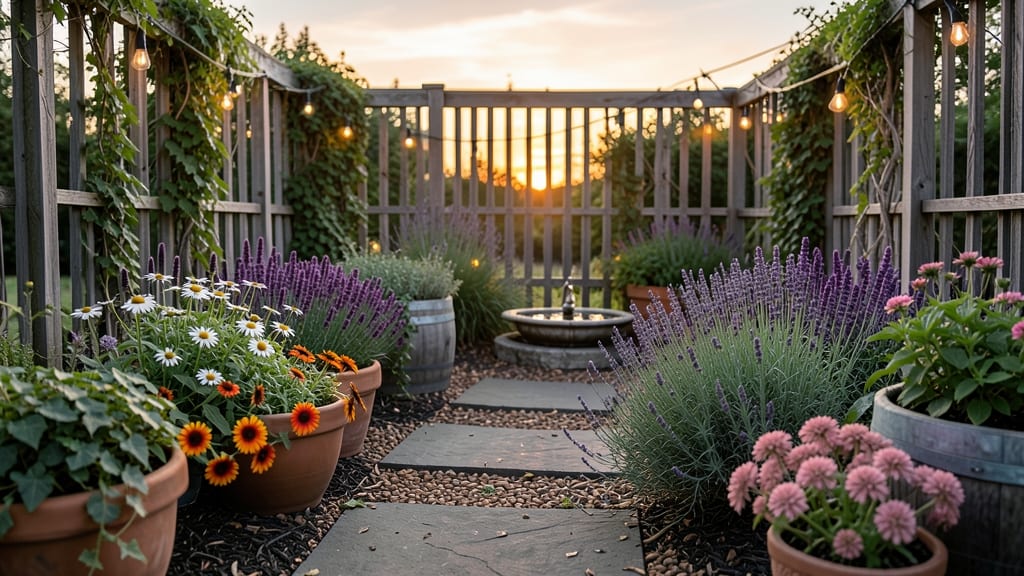
💥 Quick Answer Sunset garden zones help you choose the right plants by organizing regions into numbered climate zones based on frost patterns, temperature ranges, and microclimates for year-round gardening success in…
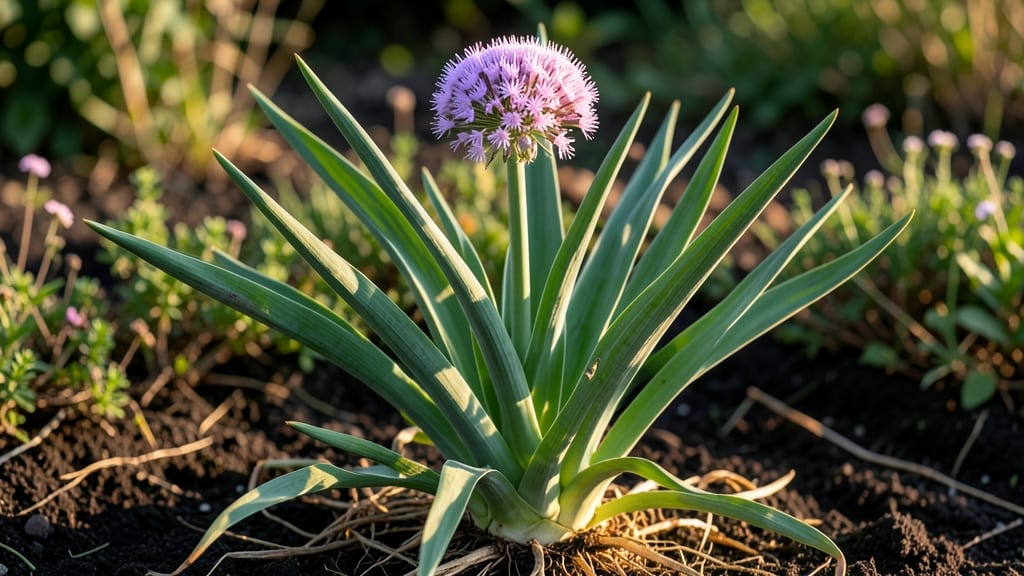
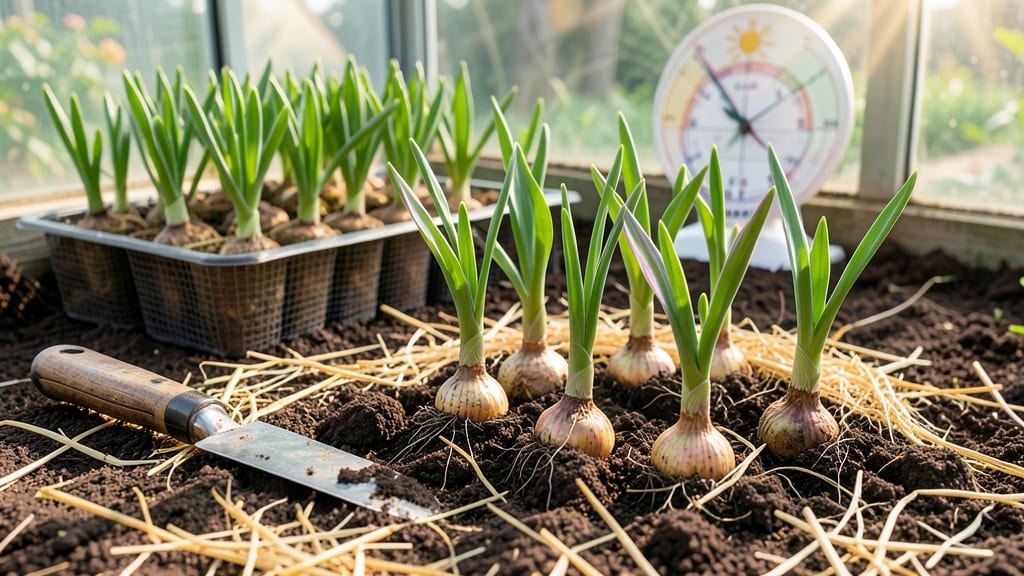
💥 Quick Answer Garlic in the garden looks like a low-growing, fan-shaped plant with long, flat leaves that emerge from the base. Beneath the soil, its bulbs form segmented cloves wrapped in papery white skins, maturing…
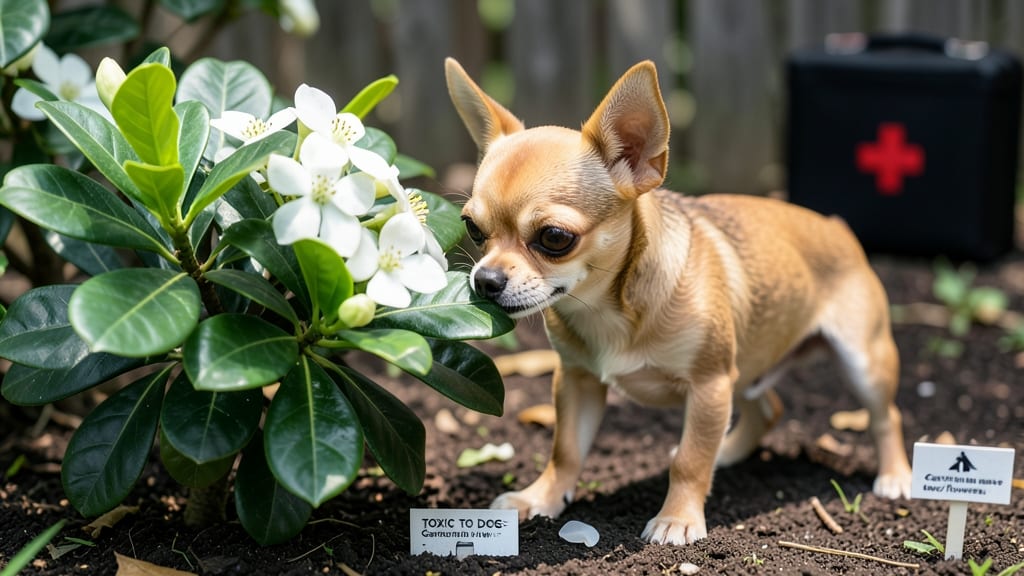
💥 Quick Answer Gardenias are toxic to dogs because their leaves, flowers, and stems contain saponins and other irritants that can trigger vomiting, diarrhea, and excessive drooling if ingested. If your dog shows signs…
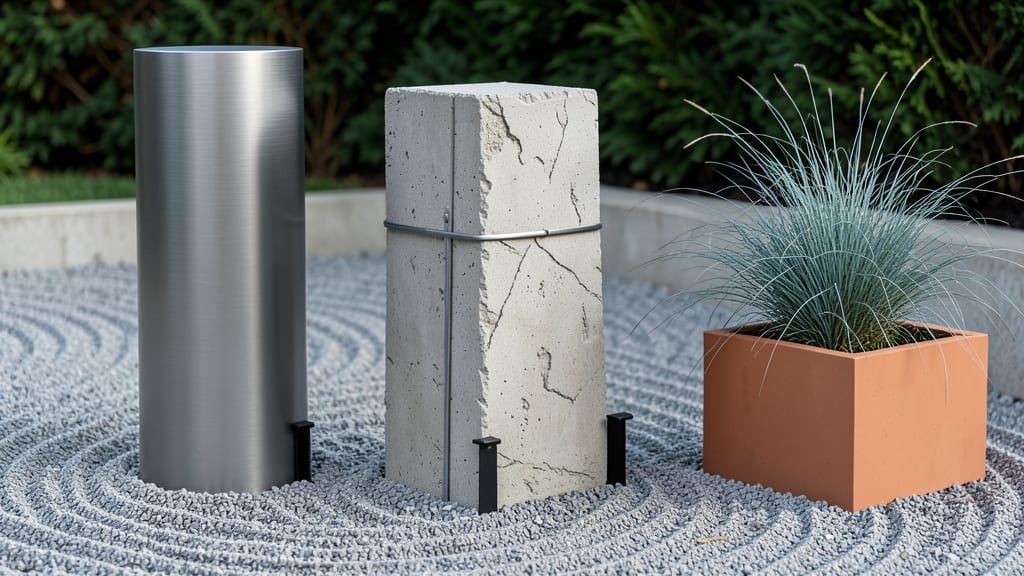
💥 Quick Answer Concrete pillars for garden projects offer unmatched durability for supporting trellises, pergolas, and climbing plants while enhancing your outdoor space's aesthetic. Their resistance to rot, pests, and…
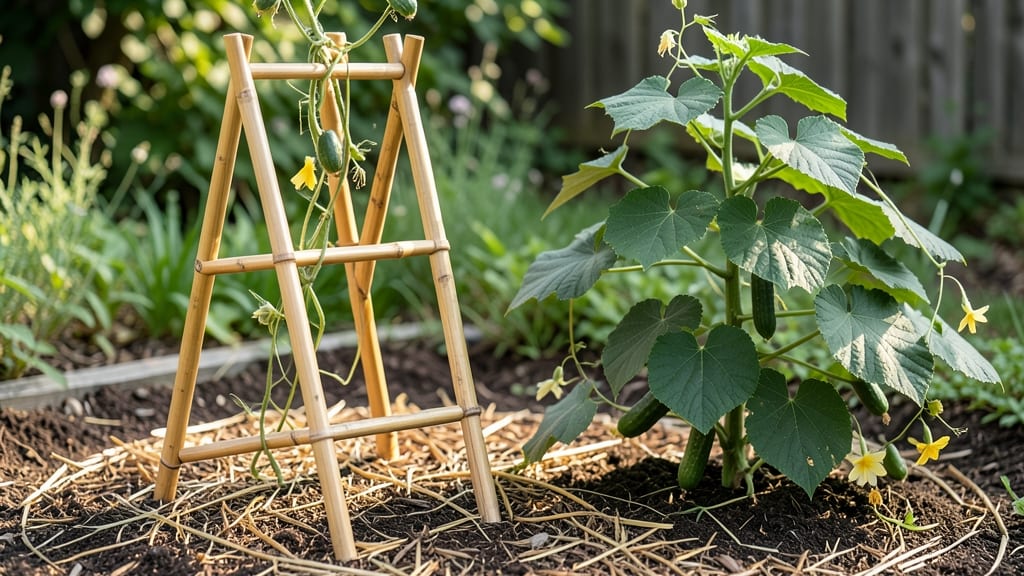
💥 Quick Answer A foldable garden trellis is perfect for small yards because it creates vertical growing space for climbing plants while folding flat for easy storage. Made from lightweight yet sturdy materials like…
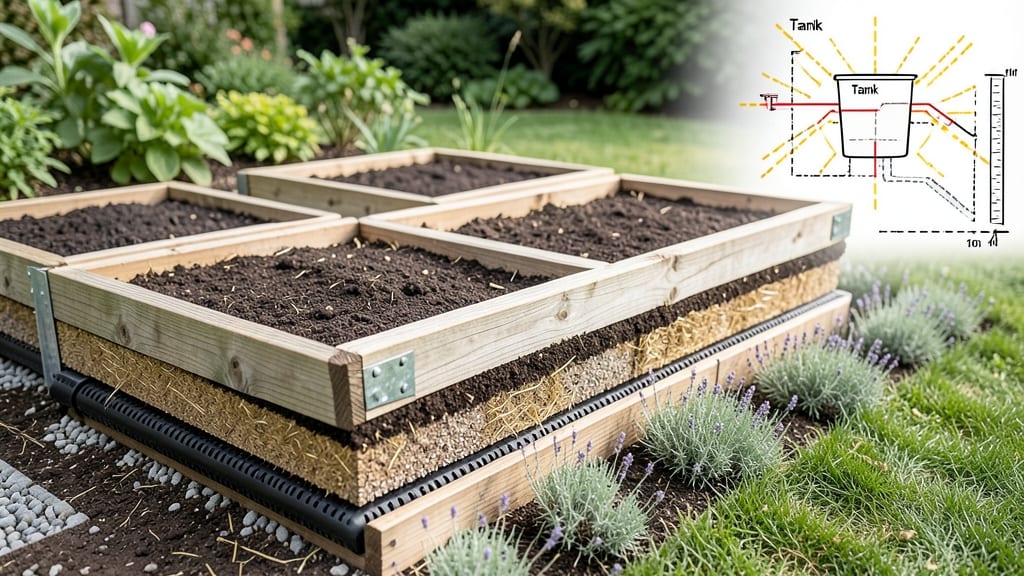
💥 Quick Answer You can put raised garden beds over a septic field only if they’re at least 10–20 feet away from the drainfield and never directly over the tank or pipes. Heavy, water-retentive beds risk contaminating…
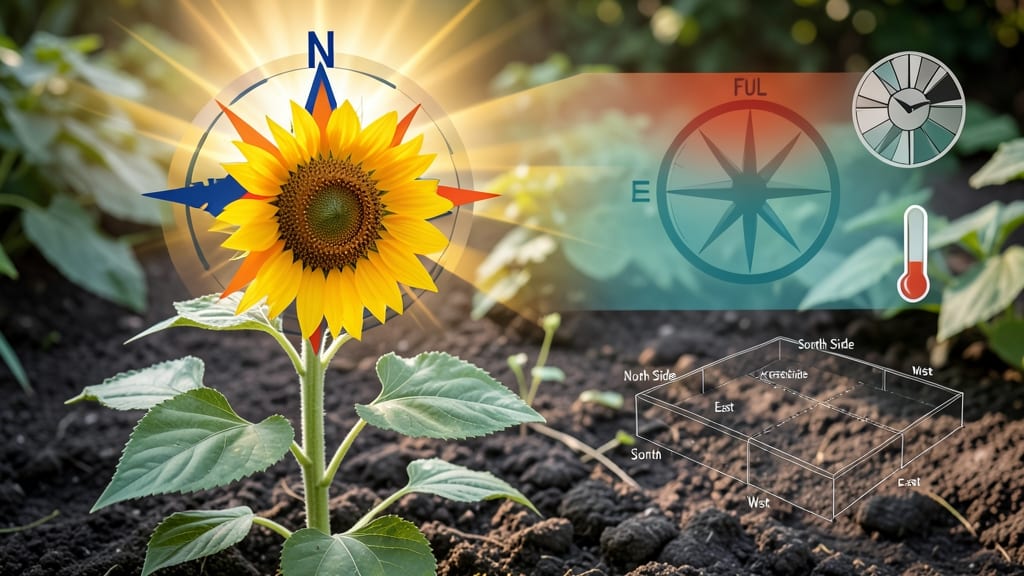
💥 Quick Answer The best direction to plant a garden depends on your plants' needs: south-facing spots provide the most sunlight for vegetables and flowers, while east-facing areas offer gentle morning light perfect for…
💥 Quick Answer Gardening season starts between mid-February (Zone 8-10) and late March (Zone 3-5) , with precise timing determined by your local last frost date and microclimate factors like sun exposure or wind…
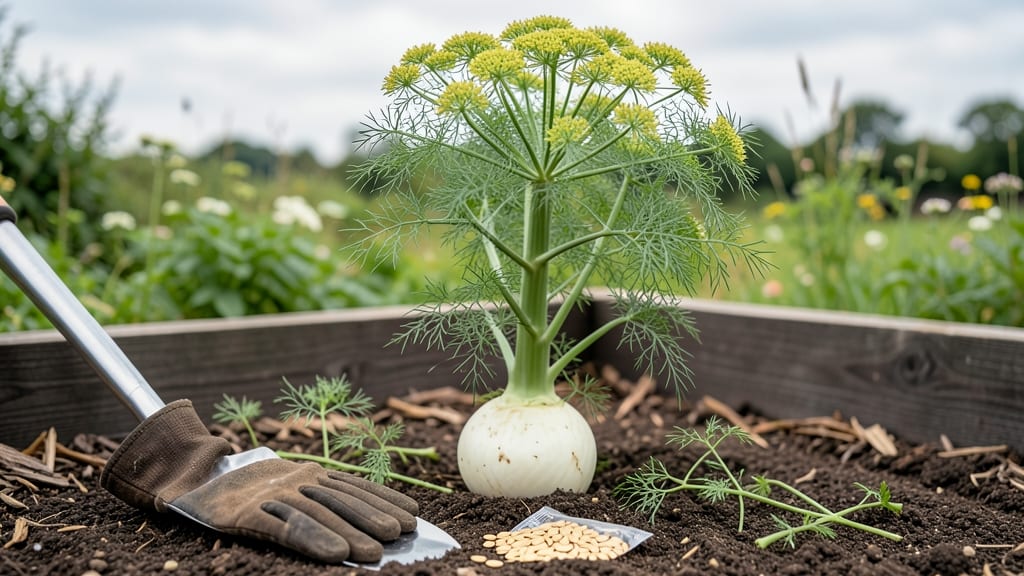
💥 Quick Answer To plant fennel in vegetable gardens, choose a sunny spot with at least 6-8 hours of direct sunlight daily, well-draining soil with a pH between 6.0 and 7.0, and space plants 12-18 inches apart to prevent…