
Planting
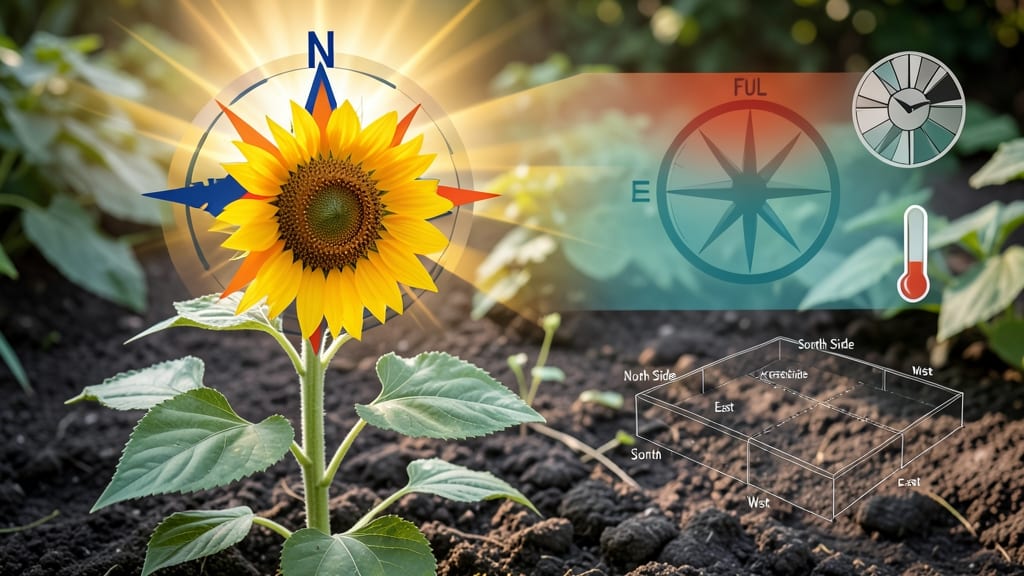
The best direction to plant a garden depends on your plants' needs: south-facing spots provide the most sunlight for vegetables and flowers, while east-facing areas offer gentle morning light perfect for heat-sensitive greens. North-facing gardens suit shade-tolerant plants, and west-facing locations need extra watering to handle afternoon sun intensity.
Sunlight intensity varies dramatically by direction, directly impacting plant health. 🌿 South-facing gardens receive the strongest light for 6-8 hours daily, ideal for tomatoes, peppers, and sunflowers that thrive on full exposure.
East-facing spots get morning warmth without harsh afternoon rays, perfect for lettuce or herbs that prefer cooler conditions. Meanwhile, north-facing areas often lack direct sun, making them better for ferns or hostas that flourish in shade. West-facing gardens can become drying hot spots, so mulching and frequent watering become essential.
Beyond sunlight, consider wind patterns—south and west exposures may need windbreaks, while north-facing spots often stay cooler and more humid. Soil quality also shifts by direction: south-facing areas dry faster, while north-facing spots may stay damp longer.
Testing your space with a simple sunlight tracker for a week helps identify microclimates before planting.
💡 In This Article
- How Sunlight Direction Affects Plant Growth
- Choosing the Perfect Garden Spot: Beyond Sunlight
How sunlight direction affects plant growth
Sunlight direction creates dramatic differences in plant growth because it directly impacts photosynthesis—the process where plants convert light energy into chemical energy.
South-facing gardens in the Northern Hemisphere receive the most intense sunlight, with 6-8 hours of direct exposure daily, especially during peak afternoon hours when the sun is strongest.
This intensity boosts photosynthesis, leading to faster growth, larger fruit production, and more vibrant flowers in sun-loving plants like tomatoes, peppers, and marigolds.
The angle of sunlight matters too. South-facing light hits plants more directly, creating stronger stems and thicker leaves. East-facing spots get gentle morning sun (typically 4-6 hours), which is cooler and less intense—ideal for heat-sensitive crops like leafy greens or basil.
North-facing areas often receive only dappled or indirect light, perfect for shade-tolerant plants like ferns or hostas that thrive with 2-4 hours of filtered sunlight daily. West-facing gardens face the harshest afternoon sun, which can scorch leaves and dry soil quickly.
Photosynthesis isn't the only factor—sunlight direction also affects flowering and fruiting cycles. Plants like roses or sunflowers need south-facing light to trigger blooming, while herbs like parsley grow better in east-facing spots where morning light prevents bolting (premature flowering).
The UV index varies by direction: south-facing areas have higher UV levels, which can stress some plants, while east-facing light is gentler. 🌞 Understanding these nuances helps you match plants to their ideal light conditions.
Seasonal shifts add another layer. In summer, south-facing gardens may receive up to 10 hours of sunlight, while winter light drops to 4-5 hours. East-facing spots maintain more consistent light levels year-round.
This variability explains why some plants (like kale) thrive in east-facing beds in summer but struggle in south-facing beds during winter's shorter days. Testing your garden's light patterns for a week with a simple app or chalk markings reveals these seasonal changes before planting.
Soil temperature also responds to sunlight direction. South-facing beds warm faster in spring, accelerating germination for cold-hardy crops like peas or radishes. North-facing soil stays cooler, delaying planting for heat-loving plants like cucumbers.
The temperature difference can be 10-15°F between south and north-facing beds on sunny days, which directly impacts root development and nutrient uptake.
For example, a south-facing tomato plant might produce 30% more fruit than one in a north-facing bed because of the extra light and heat. Meanwhile, an east-facing basil plant stays fresher longer because morning light prevents wilting.
These differences show why direction isn't just about sunlight—it's about creating the right microclimate for each plant's needs. 🌱